
 Health
Watch video, If you're too lazy to read
Watch a video, If you're too lazy
Content:
The benefits of non-alcoholic
beer Beer for the brain
Beer strengthens bones
… in the prevention of diabetes mellitus
… for hearts
… against cancer
… to cleanse the kidneys
… against stress and insomnia
… for the gastrointestinal tract
… for vision
Slimming
beer Beer and phytoestrogens
Myth #1. Beer makes men effeminate
Myth #2. Beer inhibits women's own estrogen production The
harm of beer
Today, supermarket shelves are full of various types of non-alcoholic beers. And there were times when long queues stood for the draft, armed with a string bag, can or a three-liter bottle (or even two).
Disputes about the dangers and benefits of beer have been going on for a long time, and have not ceased to this day. Sober people and ulcers say that beer is evil because it contains alcohol. And in general: drinking this drink is the first step towards alcoholism (supposedly “incurable”, by the way). So be thrilled at the mere mention of beer, especially if you don't want to become a “happy” owner of a beer belly!
In turn, lovers of cold beer with snow-white foam, and even steamed with dried taran or roach, are ready to give a lot of arguments in favor of an amber drink: it is good for the heart, and it helps the intestines, the brain, the skin, and cancer, and relieves insomnia!
Who's right? Let's try to understand! But let's make a reservation right away that we are talking about unpasteurized beer without alcohol, which people love to call “live”. It is in this beer, which has not undergone the process of pasteurization and filtration, that there are no preservatives, and useful plant components and vitamins are preserved.
The benefits of non-alcoholic beer
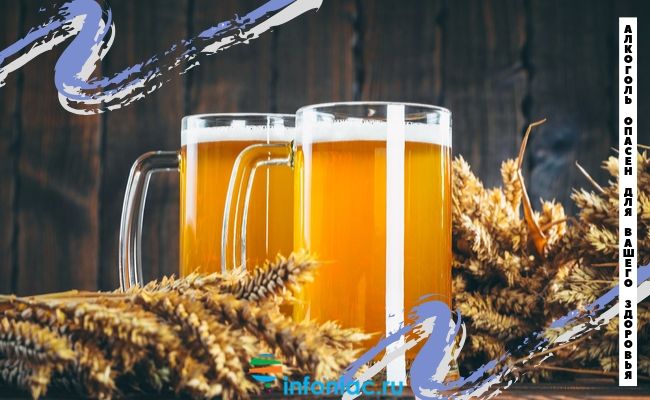
© Ievgenii Kryvoruchko/Canva
We will immediately discuss the most important point: according to the World Health Organization, any dose of alcohol is harmful to the body. There is no healthy drinking standard — whether it's beer or a stronger alcoholic beverage.
Narcologists also hold this point of view and warn that drinking just one bottle of beer a day is a direct path to alcoholism!
But let's consider beer as an alcohol-free product. Would it be useful then?
Beer contains B vitamins (up to 9% of the daily intake). They are necessary for the full absorption of proteins, fats and carbohydrates, as well as for the formation of muscle mass. Vitamins in this group help increase the body's defenses and maintain the functioning of the nervous system
Vitamin PP regulates protein and energy metabolism, has a sedative effect, prevents blood clots and reduces the concentration of bad cholesterol, thereby preventing formation blood clots.
The flavonoids that hops are rich in have anti-inflammatory, antioxidant and bactericidal properties.
Calcium and phosphorus
in beer strengthen bone tissue and ensure muscle elasticity.
Potassium and sodium
regulate water-salt metabolism, promote the excretion of metabolites and supply nutrients to cells.
Without magnesium, it is impossible to synthesize and assimilate many enzymes, fully break down glucose, and relax smooth muscles.
Microelements fluorine, selenium, copper, silicon, manganese and iron are responsible for normal blood pressure, water-salt balance, qualitative and quantitative composition of blood, and its process clotting.
But beer still contains ethanol, and, therefore, the beneficial properties of this drink are being leveled out, although… there are alternative opinions on this matter.
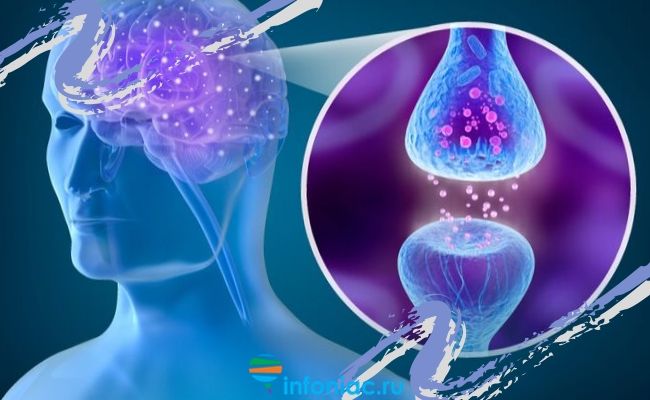
Brain beer
© alex-mit/Canva
The flavonoid xanthohumol (or xanthohumol) found in hops improves memory and spatial orientation, slows down mental impairment, protects DNA from damage, triggered by oxidative stress. Therefore, it can benefit people suffering from degenerative brain pathologies, in particular Alzheimer's and Parkinson's disease.
This conclusion was made by Chinese researchers from Lanzhou University who conducted experiments on rodents (a link to the study is available in the “Sources of Information” section at the end of the article).
At the same time, the therapeutic dose of xanthohumol exceeds hundreds of times the amount of flavonoid contained in a glass of beer. Therefore, you should not place high hopes that beer will help delay old age.
Beer also contains a fairly large amount of silicon, a mineral that removes aluminum compounds from the body, strengthens brain vessels and increases their elasticity.
And everything would be fine, but we all know very well that any alcohol destroys brain cells. By abusing beer, you risk getting senile dementia much earlier than you reach retirement age.
Read also: How long does alcohol take to be eliminated from the body
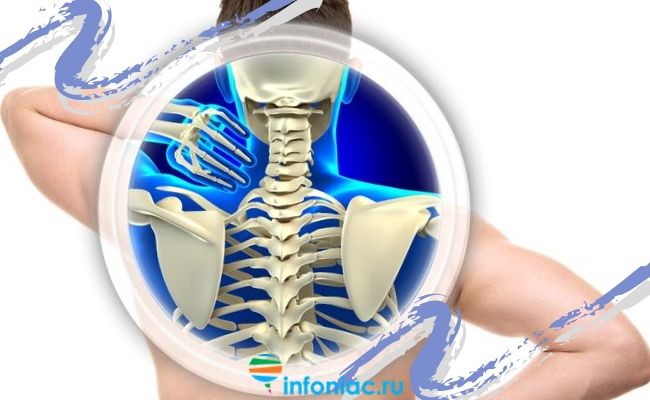
Beer strengthens bones
© decade3d/Canva
Do you drink liters of milk to strengthen your bones? It turns out that beer also contains elements that strengthen bone tissue!
Many studies can be found on the Internet, according to which very moderate consumption of beer has a beneficial effect on the formation, growth and density of bone tissue, and reduces the risk of developing osteoporosis by about 40%, and the risk of hip fractures by 20%. This may be true.
After all, 500 ml of beer contains 3 to 30 mg of silicon with a daily intake of 20-30 mg. However, orthosilicic acid (in this form silicon is found in beer) is absorbed only by 50%.
But!
In none of the studies you will find an exact “healing” dosage of an intoxicating drink, instead of which the convenient phrase “moderate consumption” is used. But there may be problems with moderation: for some, the norm is 0.33 liters of beer per week, and someone needs to drink at least 1.5 liters of beer a day to relax after a hard day's work.
In addition, alcohol disrupts the activity of vitamin D, which is responsible for the formation of healthy bone tissue, and increases the production of parathyroid hormone, which washes calcium out of bones. And this is already contrary to the theory of strong and healthy bones.
Finally, under the influence of a lot of alcohol, somersaults on the way home from the bar can just cause falls and fractures!
Conclusion: if there was no alcohol in beer, it would strengthen bones, and beer only helps to destroy them.
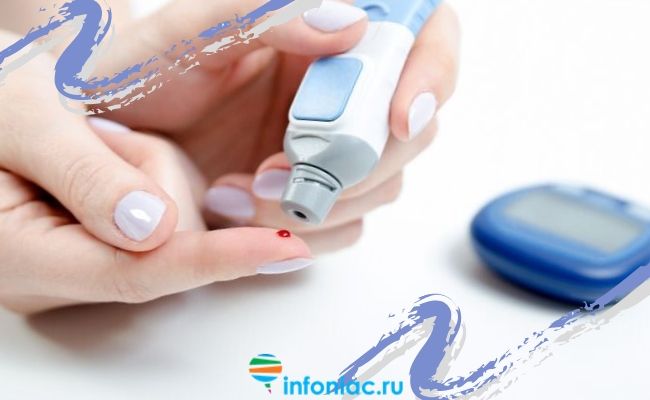
Beer in the prevention of diabetes mellitus
© simpson33/Canva
According to a study conducted by Danish scientists and published in the journal Diabetologia, drinking 1 to 6 bottles of beer a week reduces the risk of developing type 2 diabetes mellitus in men 21% compared to men who drink less than one bottle of intoxicating drink per week.
This is all due to the low alcohol content in beer, which increases insulin sensitivity. In addition, beer contains soluble fiber, which helps control blood sugar levels.
It is noteworthy that drinking beer in this amount by women did not affect the risk of developing diabetes mellitus in any way. But exceeding the dose, that is, drinking seven or more bottles of beer a week, increased the risk of developing diabetes by 83% in all subjects (the link to the study is available at the end of the article, namely in the section “Sources of information”).
If you have already been diagnosed with type 2 diabetes, you can treat yourself to a soft drink, following several rules:
Consume no more than 300 ml of beer per day no more than twice a week, while calculating your daily carbohydrate intake.
Don't drink beer on an empty stomach: first, eat protein foods or fiber-rich foods.
Avoid beer after exercise or a bath, as fluid loss causes a decrease in blood glucose.
Also read: 9 common misconceptions about beer
Beer for the heart
© dyscoh/Canva
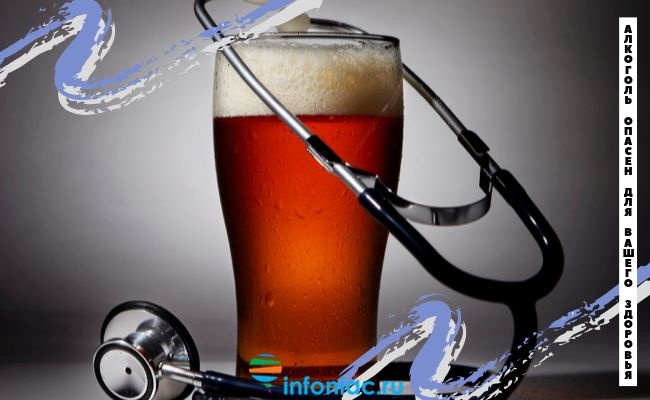
Do you think only red wine is good for the heart and blood vessels? Not at all. Beer is just as good as wine that reduces the risk of developing cardiovascular diseases!
This effect is due to the content of iron, B vitamins (in particular vitamin B6), silicon and flavonoids in beer.
If beer did not contain alcohol, the use of this drink would have a beneficial effect on the body, namely:
the blood content of “good” cholesterol increased; the qualitative characteristics of the blood
improved; the risk of thrombosis
decreased; the work of the heart muscle
was stimulated;
inflammatory processes decreased.
But there is alcohol in beer, so fans of this intoxicating drink face serious health problems:
lowering blood pressure;
settling on the walls of blood vessels of “bad” cholesterol;
blockage of blood vessels and blood clots;
thickening of the heart muscle (until development cardiomegaly (or bovine heart syndrome);
increased risk of strokes and heart attacks.
So to drink or not to drink? Everyone decides for himself!
Beer against cancer
© Image Team/Canva
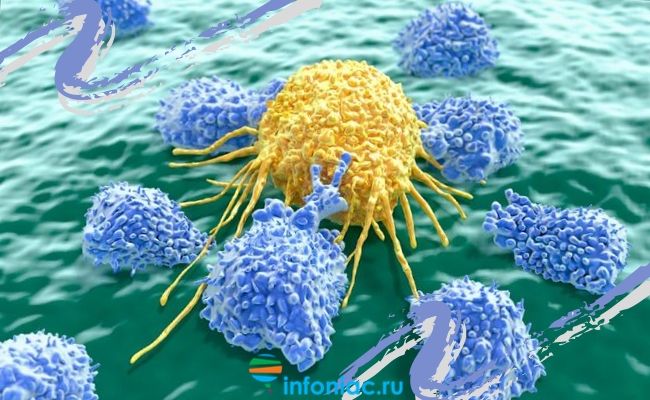
Let us once again turn our attention to the flavonoid xanthohumol, which has anti-inflammatory and anticarcinogenic properties.
The study of xanthohumol allows us to conclude today that this substance:
prevents DNA damage due to oxidative stress;
blocks the activity of cancer cells, slowing down their division and multiplication;
stops tumor growth;
accelerates cell death of infected cells, thereby preventing their further spread.
But do not rush to fill the refrigerator to capacity with beer. The fact is that this drink contains an extremely small amount of xanthohumol. So, for therapeutic purposes, you will have to drink about 9 liters of beer daily. Therefore, it is unlikely that beer can be considered a product with anticancer activity.
Kidney Cleansing Beer
© wildpixel/Canva
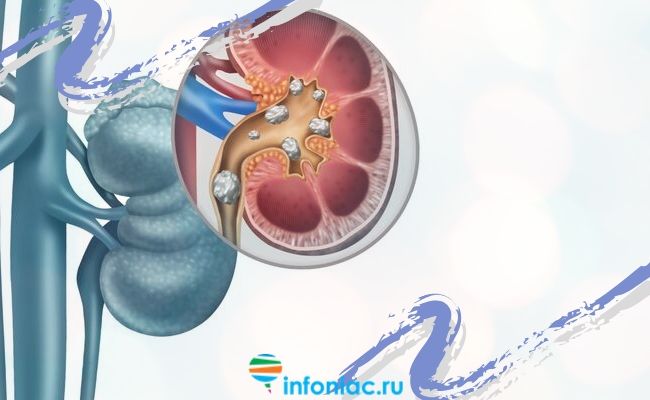
The main function of the kidneys is to filter and remove substances that are toxic to the body. If the kidneys stop coping with this task, the body is not only self-poisoned by the breakdown products of metabolites, but also the formation of sand, and then kidney stones.
Finnish scientists, after studying the medical histories and alcohol preferences of 27,000 men, concluded that drinking a bottle of cold beer daily reduces the risk of stones in kidneys and gall bladder.
In addition, hops in beer slow down the release of calcium, which, when reabsorbed in the kidneys, leads to the formation of stones (you can find a link to the study in the “Sources of Information” section at the end articles).
We could exclaim: Down with diuretics and long live beer! But not everything is so simple! After all, along with beer, the body will “leave” useful vitamins and minerals, especially if instead of 500 ml we drink a liter or two of beer in one sitting.
Therefore, our advice to you is to drink more regular purified water to avoid problems with the kidneys and urinary system.
Beer against stress and insomnia

© Drobot Dean/Canva
Aldehydes and B vitamins present in beer act as a natural sedative that relaxes, soothes, normalizes emotions and helps get rid of insomnia.
At the same time, beer, like any other type of alcohol, has both a stimulating and a sedative effect. Therefore, after a glass of beer, someone is drawn to adventure, and someone is sleepy.
Beer stimulates the production of dopamine, the hormone of joy and pleasure. Moreover, you do not need to get drunk until “not standing”: 15 ml of beer should be enough to calm the nervous system (at least, scientists from the University Medical School say about this dosage Indiana). It is interesting that it is the taste of beer that activates dopamine (click on the link in the “Sources of Information” section to read the study).
Are you ready to drink alcohol-free beer at recommended therapeutic dosages? Then we are waiting for your comments on whether beer helped you get rid of insomnia or not?
In any case, remember that alcohol is a powerful depressant, so treating stress with it can sooner or later lead to prolonged depression and alcohol addiction.
Better fight stress and insomnia in healthier ways:
Take a walk before going to bed.
Take a warm bath.
Ventilate the bedroom and drink a cup of warm milk.
Digestive beer
© man_at_mouse/Canva
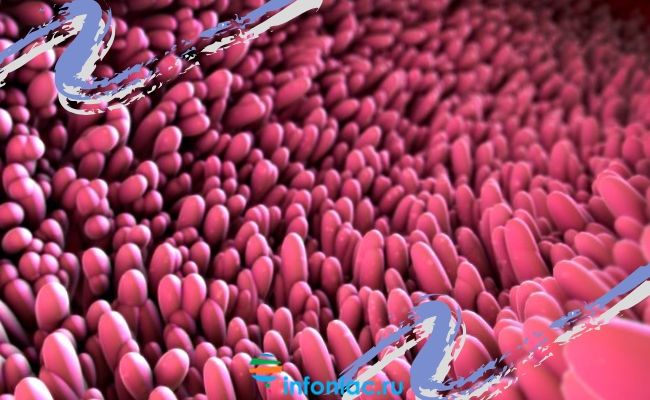
Beer stimulates the production of hydrochloric acid and other enzymes that help break down and digest food, as well as maintain optimal pH levels in the stomach.
In addition, beer contains dietary fiber that:
gently cleanse the gastrointestinal tract from toxic substances;
eliminate constipation;
stimulate the digestive process;
normalize the microflora in the intestines;
restore gastric mucosa.
At the same time, beer stimulates the active production of gastric juice, which is fraught with irritation and damage to the gastric mucosa. And this can already lead to the development of gastritis and peptic ulcers.
And in general: today, store shelves are full of foods, vegetables and fruits that contain large amounts of fiber and enzymes that help digest and assimilate food. Therefore, it is not necessary to drink alcohol in any form or quantity for these purposes.
Beer for eyesight

© bradleyblackburn/Canva
Beer can prevent cataracts because:
contains antioxidants that protect mitochondria from damage due to various adverse factors;
prevents the formation of protein clots directly in the eyeball.
But that's not all. Polyphenols formed during beer brewing strengthen retinal vessels, thereby preventing the development of retinopathy accompanied by visual impairment.
To do this, it is enough to drink a glass of beer a day. This statement was made by researchers at the University of Western Ontario (you can read the study in more detail by clicking on the link in the “Sources of Information” section).
But be careful: if you go too far with beer, your vision can become cloudy and significantly deteriorate, even double vision!
It is better to give preference to other healthy drinks that help maintain visual acuity and prevent cataracts: for example, green tea, fruit and vegetable juices, rosehip broth.
Also read: 6 types of beer you should never drink again
Slimming beer
© tbralnina/Canva
This is a separate topic for discussion.
It would seem that live beer is a low-calorie drink, 300 ml of which contains about 120 kcal and only 14 g of carbohydrates.
For comparison: 300 ml of orange juice contains 135 kcal.
So where does the erroneous claim that beer lovers can be accurately identified by their “beer belly” come from? After all, our figure does not suffer from orange juice!
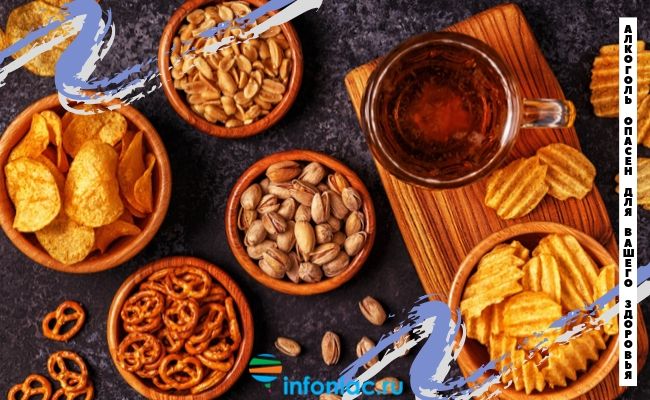
Everything is obscenely simple! It is not beer that is to blame for the appearance of extra pounds and fat deposits on the stomach and hips, but for a high-calorie snack: crackers, chips, nuts, snacks with and without sauce.
Add to that sedentary work and physical inactivity — voila! Did you order a beer belly?
At the same time, it is undeniable that beer has a pronounced diuretic effect, and therefore removes excess fluid from the body, activates metabolism, digestion and bowel function, which promotes weight loss.
Therefore, if you are not ready to give up beer, but at the same time want to be slim and fit, we recommend that you stop eating a beer snack and treat yourself to a non-alcoholic intoxicating drink 2 to 3 times a week!
But when raising the second and then the third glass of foamy alcoholic beverage, remember that the alcohol in beer prevents the full processing of carbohydrates, which eventually transform into fat deposited not only on the sides, but also on internal organs and vascular walls.
Beer and phytoestrogens
Speaking about the benefits of beer for women, we can't do without mentioning phytoestrogens, which are credited with a lot of positive properties: they normalize the menstrual cycle, improve mood, and metabolism substances accelerate, and fight depression, and anesthetize. However, many of the positive effects of phytoestrogens have not yet been proven!
Indeed, phytoestrogens are found in quite large quantities in hops used in brewing. But!
Firstly, phytoestrogens are not hormones, but just plant non-steroidal compounds that cause both estrogenic and anti-estrogenic effects (“as the map goes”).
Secondly, during the heat treatment of hops, most of the phytoestrogens are destroyed. And the amount that remains in beer is catastrophically small to have any significant impact on a person's physical and psychoemotional state, regardless of gender.
Thirdly, beer is far from the only product that contains phytoestrogens. Moreover, we use many of them in fairly large quantities. What are these products? Flax seeds, nuts, legumes, red grapes, pomegranates, dates, yoghurts. But we're not giving them up!
The topic of phytoestrogens in beer is generally quite ambiguous and speculative, so, taking this opportunity, we would like to debunk several myths.
Myth #1. Beer makes men effeminate

© Vadym Petrochenko/Canva
The hypothesis is as follows: live beer contains a huge amount of phytoestrogens that reduce the production of the male hormone testosterone, which causes men to enlarge their breasts and appear beer belly, fat accumulates on the hips and waist, voice changes, libido decreases.
In fact, phytoestrogens are 1000, and according to some reports, 5000 times weaker in their effect compared to steroid estrogens produced by the human body. And in order to achieve a daily estrogen intake of 4 mg/l, a man needs to drink not 10, 30 or even 50 liters of beer daily, but much more!
But the truth is, as always, somewhere in between. The fact is that any alcohol-containing drink hits the liver, suppresses testosterone production, disrupts hormones, as a result of which men really show signs of feminization described higher. The only reason for this is not estrogens, but ethanol.
Myth #2. Beer inhibits women's own estrogen production
© 1827photography/Canva
And again, we return to the concentration of phytoestrogens in beer — it is so low that it cannot provoke hormonal disorders and the natural process of estrogen production.
The figure of a drinking woman swims, and her voice becomes rude and low due to the same ethanol – he is the culprit and trigger for all the changes that occur with time young, beautiful and fit women.
And don't accuse us of promoting and advertising beer products. We're just trying to be objective. That's why we move on to the next section.
Beer damage
© LoveTheWind/ Canva
The main danger of drinking beer (whether it is alive or pasteurized) is the development of alcohol addiction and switching to stronger strong drinks.
Ask a person who drinks at least a liter of beer every day if he considers himself an alcoholic? You will receive a negative answer. And do you know why? Beer contains almost no alcohol compared to vodka, cognac, whiskey and other strong drinks.
At the same time, you can drink several liters of beer per day for a good snack, which is already comparable in alcohol content to a bottle of vodka.
As a result, an unhealthy beer addiction leads to serious problems:
Reproductive disorders.
Changes in appearance.
Headaches.
Prolonged depression.
Irritability.
Hypertension.
Thickening of the heart muscle and damage to blood vessels, which increases the risk of strokes and heart attacks.
The appearance of foci of inflammation in the liver, which can lead to cirrhosis or hepatitis.
Decrease in mental abilities and memory.
We cannot ignore the topic of fusel oils in beer.
Fusel oils are a mixture of toxic substances formed during the fermentation of beer: esters, aldehydes, and various alcohols are complex.
What is their content in beer and how harmful are they? Let's figure it out.
For comparison: a liter of vodka contains up to 15 mg of fusel oils, beer contains about 50-250 mg (depending on the type of beer), wine contains up to 630 mg, and cognac can reach 2000 mg. But whiskey is considered the record holder, a liter of which contains about 4000 mg of fusel impurities.
But! You can't do without fusel oils in beer, cognac and whiskey, because they give these drinks a specific taste and aroma. At the same time, the increased concentration of these impurities in alcoholic beverages provokes intoxication and poisoning of the body, followed by a severe hangover.
And what does GOST tell us?
According to GOST R 51355-99 for vodka, the permissible content of fusel oils should not exceed 2.4 mg/l.
In GOST for cognac, the permissible rate of “sea lions” varies between 680 and 2000 mg/l.
What is the reason for this turnaround in numbers? The highest toxicity of cognac and the purity of vodka? It's unlikely. It's all about organoleptics — if the fusel impurities in vodka were exceeded, it would lose its taste, color and aroma.
By the way, the beer GOST does not specify the rate of fusel oils at all.
What do we have? Even without mathematical calculations, it is clear that the content of fusel oils in beer does not pose a risk of severe intoxication.
Alcohol is dangerous for your health!
The material has an informational and reference function! Before using any product, you should consult a specialist!