
 Unbelievable facts
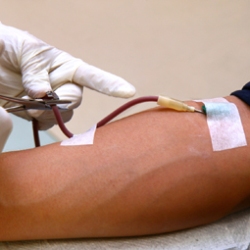
In the UK, the provisions of the law prohibiting homosexuals from donating blood have been changed. Now, an Englishman with a gay sexual orientation can donate blood, provided that he has not had sex with a man for a year. Amendments to the law were adopted due to the fact that modern blood testing for HIV is so effective that the likelihood of the presence of the virus in the blood if the test result is negative is practically excluded. It was also taken into account the fact that the ban on blood donation by homosexuals without compelling medical reasons is the very real discrimination against sexual minorities.
Homosexuals and bisexuals are only allowed to donate blood after a year of abstinence because blood testing does not detect recent hepatitis B and C infections.
The law prohibiting homosexuals from donating blood was passed in 1985 when 5,000 UK hemophilia patients were infected with HIV and hepatitis C through blood transfusions. It is known that gay men are more at risk of contracting hepatitis or HIV than men with traditional sexual orientation.
Naturally, the question arises: how to check whether a man had sexual intercourse with people of the same sex during the year or not? It is impossible to verify this, so the only thing left is to take the donor's words for granted.
The amendment to the law will come into force on November 7. So far, only heterosexual men or homosexuals who have never had sex with men are allowed to donate blood in the UK. However, it's not just gay people who are not allowed to donate blood. It is also not allowed to donate blood to any man who has had oral or anal sex with another man at least once in his life, women who have sex with homosexuals, any person who had sex with a prostitute, people who had sex with drug addicts, intravenous drug users, and those who had sex with hepatitis or an HIV positive person.
Lorna Williamson, a researcher at the NHS Blood and Transplant Institute for Hematology and Transplant, insists that the amendment to the law will in no way affect the safety of patients receiving donated blood.
The changes to the law have been approved by lesbian, gay and bisexual organizations, which call the repeal of the ban “a step forward towards equal rights”. However, it is worth noting that most new HIV infections in the UK are the result of homosexual sex between men.