
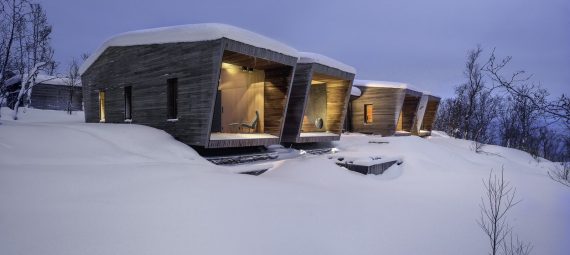
The architecture and design of the northern regions of the world are a fascinating reflection of the environment, history, and cultural values of the people who have lived there. From the enduring structures of traditional settlements to the innovative approaches of modern buildings, the North presents a unique and often breathtaking architectural narrative.
Adapting to the Harsh Climate
One of the defining features of northern architecture is its adaptation to the extreme climate. Cold temperatures, limited sunlight, and harsh weather conditions have directly influenced the design choices of structures for centuries.
- Insulation and Materials: Traditional northern homes often utilize thick walls, layers of insulation, and materials like wood, stone, and earth to withstand the cold. The use of local materials reflects a deep connection to the environment and a desire to use readily available resources.
- Light and Space Maximization: Limited daylight hours in the winter have led to innovative architectural approaches for maximizing available light. Large windows, strategically placed, and often incorporating clerestory windows, help to flood interiors with natural light. This focus on light is particularly evident in Scandinavian design.
- Roof Structures: Sloping roofs are common in northern areas to facilitate the swift drainage of snow and rainwater. The shape and design of roofs also often serve as crucial features in maintaining interior warmth.
Traditional Dwellings and Their Stories
- Indigenous Structures: Indigenous communities have developed unique structures that perfectly fit their needs and traditions. Inuit igloos and snow houses exemplify the ingenious use of readily available materials to create temporary or semi-permanent shelter. Sami traditional homes, often built of wood and other local materials, are tailored to withstand cold and harsh weather.
- Early European Settlements: Early European settlements in the North were also influenced by available resources and the need for protection from the environment. Wooden cabins, stone houses, and fortified structures reflect the challenges and aspirations of the settlers.
Modern Innovations and Contemporary Design
Modern architecture in northern regions often blends contemporary design with a respect for traditional building methods and materials. Architects are increasingly incorporating sustainable practices and renewable energy sources into their designs.
- Sustainability: A focus on sustainable design is becoming increasingly important. Buildings are being designed to minimize their environmental impact through energy efficiency, the use of renewable resources, and the integration of natural light and ventilation.
- Local Materials: The use of local materials, like wood from nearby forests or stone from quarries, reinforces the connection to the environment and reduces transportation costs and environmental impact.
- Contemporary Aesthetics: Contemporary architecture often embraces minimalism, clean lines, and a sophisticated approach to light and space, while still incorporating the strong features of northern design tradition.
Examples of Northern Architectural Styles
- Norwegian fjords: Homes built into the hillside, often showcasing stunning views and a close connection with the natural landscape.
- Scandinavian architecture: Minimalist designs, use of light, and a focus on sustainability.
- Inuit traditional dwellings: The creative use of snow and other readily available materials in Arctic environments.
The Importance of the Northern Architectural Legacy
The architecture and design of the North offer a fascinating insight into human ingenuity and the enduring relationship between people and their environment. From traditional structures that have stood the test of time to innovative contemporary designs, the region provides inspiration for building in harmony with nature. Understanding the historical context and the challenges faced by northern architects and builders allows us to appreciate the significance of their work and the lasting impact on the region’s character.