
 Science
Scientists in the United States have developed a way to use the energy of viruses that eat bacteria to use this energy to charge mobile phones. A team of researchers at the University of California, Berkeley, has learned how to generate electricity from a virus known as M13 bacteriophage.
It turns out that this virus has a property known as piezoelectricity. This means that the M13 bacteriophage is able to transform mechanical energy into electrical energy. Scientists are confident that their discovery will one day be used to, for example, charge mobile phones when a person is just walking. It is also possible to find a replacement for toxic piezoelectric elements that are actively used in mobile phones.
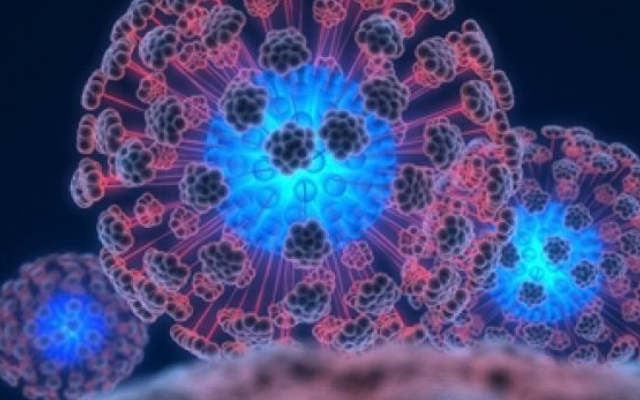
In case you didn't know, most mobile phone microphones run on piezoelectricity, as they're supposed to convert energy from sound waves into electrical power. It can then be transmitted to then turn back into sound waves in another subscriber's phone speaker. And so, as bioengineer Seung-Wook Lee explains, it is these piezoelectric elements that are made from heavy and toxic metals, such as lead or cadmium.
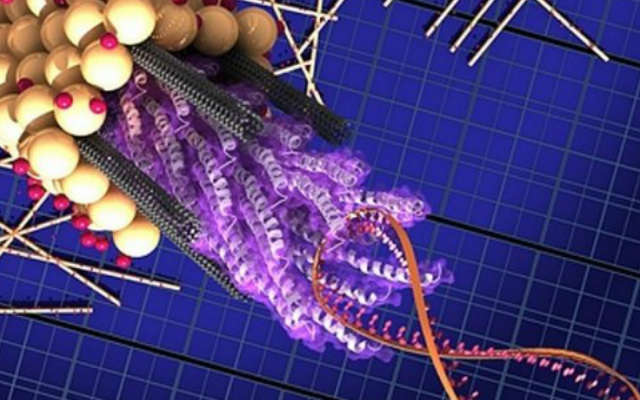
As it turns out, many biomolecules, such as proteins and nucleic acids, also have piezoelectric properties. M13 bacteriophage has the ability to generate electricity when it is compressed, without being toxic, as when using traditional elements. Lee and his colleagues found that if you give M13 the shape of a narrow beam, such a virus has the potential to become an excellent source of energy, and at the same time does not pose any danger to a person.
Such a source is inexpensive and can be easily manufactured under simple laboratory conditions, as scientists extract trillions of bacteria from a single flask of infectious bacteria. The shape for the virus is very important in this case, since it is this form that the virus can be implanted in thin-leaf material.
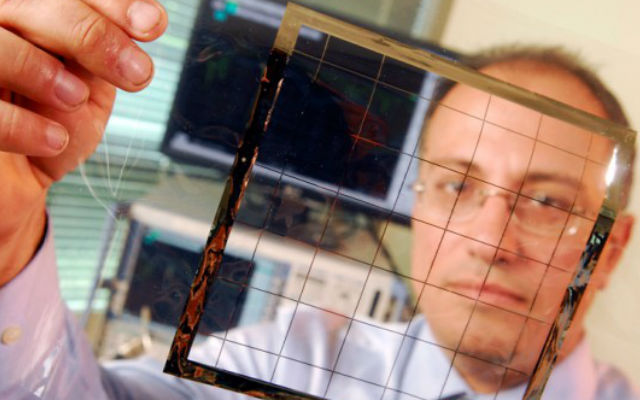
In order to improve the electricity-generating properties of the virus, Lee's team was able to change the amino acid composition of their outer protein layer, which the researchers needed add four negatively charged glutamate molecules. After that, scientists fastened the sheets of the virus together in a specific way to enhance the piezoelectric effect.
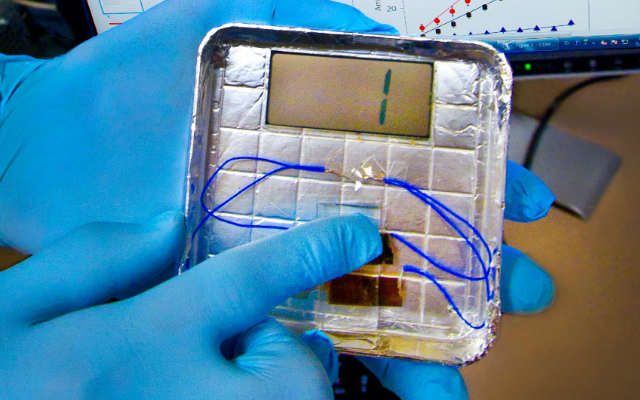
The researchers found that when they attached electrodes to one square centimeter of viral film and pressed hard on one of them, the film began to produce the electricity it had enough to launch a small liquid crystal display of a dead phone. In other words, the output was about four hundred millivolts, which corresponds to about a quarter of the energy of a conventional AAA battery. Lee is sure that the introduction of biological piezoelectricity is just around the corner.