
 Unbelievable facts
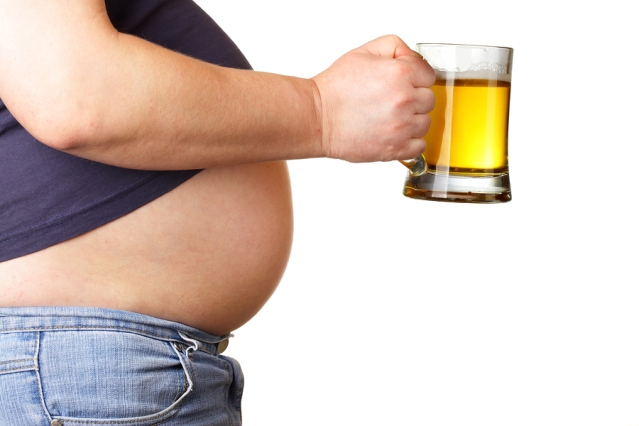
For a 61-year-old Texas man, the phrase “beer belly” took on a literal meaning after his stomach started brewing beer.
As it turned out, an American suffers from a rare disease that can make him unexpectedly intoxicated.
Specialists Barbara Cordell (Barabara Cordell) and Justin McCarthy (Justin McCarthy) talked about how a man was hospitalized due to severe dizziness.
The nurses conducted tests and found that his blood alcohol concentration was 0.37 percent. However, the man assured the staff that he did not drink alcohol, which was confirmed by his wife.
Beer Belly
The doctors decided to isolate the patient and monitor him closely for 24 hours. During the day, he ate carbohydrate-rich foods, and specialists periodically tested his blood for alcohol. At one point, alcohol levels rose to 0.12 percent.
10 intoxicating facts about beer
As it turned out, there was an excess of brewer's yeast in his digestive tract. In other words, the man had his own “brewery” in his stomach.
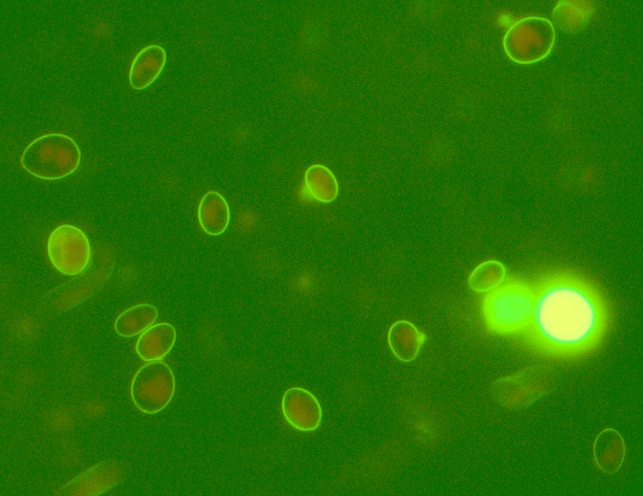
The patient was infected with Saccharomyces cerevisiae, or baker's yeast. When he consumed foods high in starch, such as baked goods, pasta, and even carbonated drinks, the yeast converted sugar into ethanol and the man became drunk.
Doctors reported the first case of “self-brewing syndrome”. Similar cases, although few, have been recorded in the medical literature under various names. However, this does not mean that yeast is dangerous to your health.
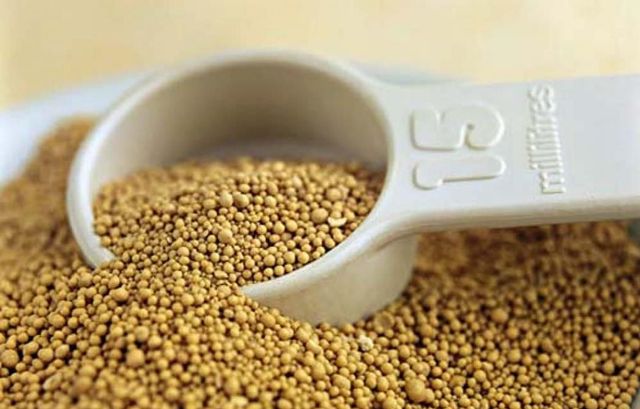
Brewer's yeast
Brewer's yeast is present in many foods, including bread, wine, and of course beer. They usually do no harm and exit through the digestive tract.
But in some cases, the infection occurred after taking antibiotics that kill bacteria and promote fungal growth, or after an illness that suppresses the immune system.
Some people even take brewer's yeast as a supplement. They contain proteins, B complex vitamins, folic acid, vitamin PP, minerals including calcium, iron, phosphorus, potassium, sodium, zinc, copper, manganese, selenium, chromium and amino acids.
They are most often taken to improve metabolism, when there is a lack of B vitamins, strengthen the immune system, improve the condition of hair, nails and skin, and during physical and mental stress.
Contraindications to their use are individual intolerance to brewer's yeast, allergies, kidney diseases, pregnancy and lactation.