
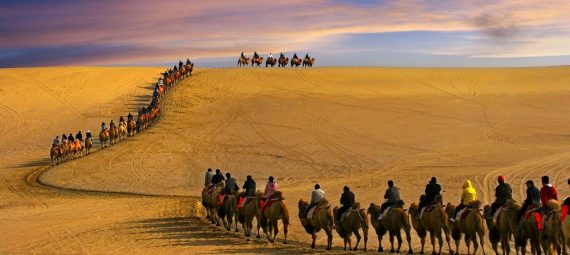
The Silk Road. The name conjures images of intrepid merchants, laden camels traversing vast deserts, and the exchange of goods and ideas across continents. More than just a trade route, it was a vibrant artery connecting East and West, shaping cultures, and leaving an indelible mark on the world. Embarking on a journey along this ancient path is to step back in time, tracing the footsteps of countless caravans and uncovering the legacies they left behind.
More Than a Route: A Tapestry of Cultures
The Silk Road wasn’t a single, clearly defined path; it was a network of routes, a complex tapestry woven across thousands of miles, linking the East and West for centuries. From the bustling markets of Chang’an (modern-day Xi’an) in China to the vibrant cities of Samarkand and Bukhara in Uzbekistan, and finally to the bustling ports of the Mediterranean, the Silk Road facilitated the exchange of not only silk, spices, and porcelain, but also religions, philosophies, and artistic styles.
Ancient Cities and Forgotten Empires: Unveiling the Landmarks
A journey along the Silk Road is a pilgrimage through history. Ancient cities, once thriving hubs of commerce, now stand as testaments to empires long past. Xi’an, the starting point for many Silk Road journeys, boasts the Terracotta Army, a breathtaking testament to the might of the Qin Dynasty. Further west, Samarkand, Bukhara, and Merv – cities steeped in history and adorned with magnificent mosques, madrasas, and ancient citadels – offer glimpses into the cultural fusion that characterized the Silk Road. The ruins of forgotten cities, swallowed by the sands of time, serve as poignant reminders of the ephemeral nature of power and the enduring legacy of human endeavor.
Following the Footsteps of Caravans: Challenges and Rewards
Tracing the route of ancient caravans presents its own set of challenges. Many sections of the Silk Road are inaccessible by conventional means, requiring a blend of planning, resourcefulness, and a spirit of adventure. The journeys may involve long stretches of travel, varying landscapes, and encounters with different cultures and customs. However, the rewards are immeasurable. The sense of discovery, the breathtaking landscapes, and the intimate connections with history make this a journey unlike any other.
Beyond the Trade: The Exchange of Ideas and Beliefs
The Silk Road’s impact transcended mere trade. It facilitated the spread of Buddhism from India to China and beyond, influencing artistic styles, philosophies, and social structures along its path. Nestorian Christianity, Manichaeism, and Islam also found their way along these routes, leading to a rich tapestry of religious and philosophical traditions that continue to shape the regions today.
A Journey of Discovery: A Personal Connection with History
A journey along the Silk Road is not merely a tourist trip; it’s a pilgrimage through time, a personal connection with the past. It’s an opportunity to witness the enduring legacy of human ingenuity, cultural exchange, and the unwavering spirit of those who traversed these ancient routes, shaping the world we inhabit today. The journey itself is a testament to the enduring power of human connection and the relentless pursuit of exploration. It’s a journey that will leave you transformed, enriched, and forever changed by the echoes of ancient caravans.