
 Useful tips
Content:
Meat background Meat
consumption
Meat and health
Meat and human evolution
Meat and safety
Meat and environment
Meat and medical Preparations
Meat and Spirituality
Pork
Beef
Chicken
Turkey
Rabbit
Lamb
The history of meat
Throughout history and across cultures, humans have eaten
so many living things they could find and kill, ranging from whales and
mammoths to insects, larvae and snails. This also includes all
living creatures that are located between these two categories.
In general, any mammalian flesh can be considered meat, but
we usually refer to mammalian and bird meat as “meat”. Most of
the meat that humans eat is animal muscle tissue, which
is mainly made up of water, protein and fat.
White meat is muscle tissue that worked actively,
red meat is “slow” muscle tissue. The main determining factor in meat
color is myoglobin concentration. Myoglobin and fat are more abundant in
“slow” muscle tissue. From a nutritional point of view, the color of the meat plays almost
no role.
After cooking spread all over the
world, meat consumption became more active and valuable, because the human
body is unable to digest raw food efficiently. When we cook meat,
protein is denatured and water is squeezed out of the fibers.
Pets and wild animals
There are two types of animals whose meat is consumed by
humans. We are talking about omnivores and herbivores.
Herbivores feed on grass and other types of vegetation:
– these are animals with multi-chambered stomachs, such as
cattle, sheep, buffaloes and goats;
– rodents (rabbits)
Omnivores include pigs and chickens, which can eat both
grass and kitchen scraps, pasture stubble, and other foods. Of the thousands
of animal species, humans have domesticated not so many: poultry (chicken, goose,
duck, turkey, quail), cows, bulls, pigs, goats. People also eat animals
used for transportation (horses and camels), moreover, people even eat
companion animals (dogs and cats).
It is not so uncommon to find wild animal meat in
various cuisines:
– sea and forest birds (puffin, pheasant, wild turkey);
– wild ruminants (deer, buffalo, bison, elk,
Dawson's caribou);
– marine mammals (a whale in the Arctic regions, in
Japan, a seal in the Arctic);
– rodents (marmot, squirrel, rabbit, beaver);
– amphibians (frog);
– reptiles (turtle, alligator, snakes, etc. in South,
Southwest and East Asia);
– relatives of wild pigs (pecariaceae, wild boar);
– bears;
– porcupine;
– snails;
– insects (popular in Africa and East Asia).
Why is meat so important?
The average person eats about 90 kg of meat per year (not
including representatives of the marine world).
Animals raised in a healthy environment are
suppliers of nutrient-rich meat, which contains all
amino acids and various micronutrients.
Read also: Red and white meat – differences, benefits and harms
There aren't many cultures in the world that have thrived
on a 100 percent meat-based diet, because 80 percent of the healthiest diets in history have been plant-based.
Meat consumption
It has long been known that you don't need to eat 90 kg of meat every year
to be healthy. Also, if we only eat grazing
animals, we will not be able to maintain this level of consumption. We don't have enough
land, time and money.
There are various ethical and environmental reasons for
restricting meat consumption. These include how and where the animal is raised,
what it eats, how it was killed, and whether it is possible to provide meat to almost 7.5
billion people.
Meat and health
Not so long ago, it was found that eating meat is associated
with a high risk of developing many chronic diseases.
We humans have evolved as omnivores. Is the meat we
've been eating for thousands of years the cause of various
diseases? I don't think so.
The health hazards associated with modern meat are
due to two factors:
1. How animals are raised today
2. How much meat do we consume
A diet can be healthy if you include moderate
amounts of good meat. However, unlike plant foods,
which humans cannot live without, we do not need meat to live a full life.
How much and what types of meat can we eat to
save ourselves and the planet?
Meat mainly provides us with fat, protein and
cholesterol. Since substances are concentrated in tissues, the animal's food is
your food, including the medicines that were given to that
animal. Very often, livestock are fed corn instead of their diet,
so they often get sick.
Also, animal nutrition based on
cereals suggests that the meat of such an animal
will contain sufficient amounts of omega-6, which has anti-inflammatory
properties.
Wildlife meat contains much more useful
fatty acids, because they consume large quantities of plant
foods, as well as small representatives of the living world (including insects and
worms), which are rich in anti-inflammatory omega.
Free-range livestock (
including grass-eating cows) have the healthiest meats.
The link between meat consumption and cancer development has been proven
by more than 100 epidemiological studies from different countries with
different eating habits. It is not known whether a particular type of fat or protein
causes cancer, or whether the meat itself is to blame (for example, the
fact that an animal eats a scarce amount of plant food).
Here's what these studies came up with:
See also: Secrets of cooking meat for barbecue
– eating red meat more than
once a week leads to cancer;
– eating grilled meat more than twice a week leads
to cancer;
– eating processed meat (sausages,
sausages, etc.) leads to cancer.
When meat is cooked at high temperatures, it produces
dangerous mutagenic and carcinogenic chemicals (grilling, roasting). This
does not happen when meat is stewed or steamed.
Meat and human evolution
Man has the characteristics of both carnivores and
herbivores. This suggests that a person is omnivorous.
Some anthropological evidence suggests that our
earliest hunting and gathering lives were more
collective, and sometimes lucky to hunt small animals.
Thus, our ability to eat all types of food has contributed
to the fact that humans have been able to survive in terms of evolution. Agree that it is difficult
to eat food while in the forest or in the savanna.
Features that suggest that humans
evolved to be able to eat meat:
– teeth and jaws (can be bitten off, torn and
crushed);
– the structure of the gastrointestinal tract (without chamber
stomachs for the fermentation of plant foods);
– digestive enzymes and gastric acidity;
– the ability to get rid of dietary cholesterol;
– the location of the reproductive organs;
– the amount of food we can eat at one meal;
– ability to kill animals.
Based on factors, a person can eat both plant
food and animal food, but with an emphasis on vegetable food.
Compared to carnivores, man is an inexperienced
hunter (he is relatively weak and rather slow, his feelings
are not so acute, and without a pointed stick he is rather daring), He has an innate
thirst for blood (although given the number of wars in our history, this is somewhat
controversial), he cannot eat a lot of meat at a time, he is prone to
developing bacterial diseases, he prefers cooked meat to raw meat, he
accumulates dietary cholesterol in the body, he has a desire to consume
sodium.
Meat and safety
Food safety is another incredibly important thing.
Proper meat control is essential. In particular, factory meat
often contains large quantities of salmonella, E.coli bacteria and other
bacteria that are resistant to antibiotics. Processed meats can also contain the
deadly Listeria bacterium.
Do not mix raw meat with other foods (for example,
raw vegetables), store it separately. Cook the meat very well. It is normal
to cook a low-roasted steak, because, as a rule,
bacteria live outside in such meat, but poultry and other meats should be cooked until fully
cooked.
For example, in the United States,
about 40,000 people get salmonella poisoning every year, and more than 700 die. 15 percent of all chicken are
infected with Salmonella, and more than half of chickens are infected with the bacterium
campylobacter.
American pigs have been diagnosed with a
drug-resistant strain of MRSA, which kills more people
each year than from AIDS. 73,000 Americans are poisoned
each year from -for E.coli, 61 of them die. E.coli is most commonly found in raw and undercooked meat.
It often happens that a single portion of meat is a mixture
of different types of meat from different parts of the animal, or even animals from different
slaughterhouses.
In 1986, for the first time, a
cow was reported to be infected with rabies in the UK. This was probably due to animals that
feed other animals. Since the first case of mad cow disease, it
has been established that Creutzfeldt-Jakob disease was caused by
eating contaminated beef.
Meat and the environment
It is natural for an animal to graze in a meadow and
send its waste products back to the soil. Some farmers are
even able to balance this ratio: number of animals/soil area.
This is good news.
The bad news is that this situation
only occurs when animals are scattered throughout the ecosystem. Mother Nature does a great job at
this. But modern people are not very good at it.
In the face of overpopulation and the great efforts
being made to feed billions of people, land and water have seriously lost their
quality.
Read also: Which country eats the most meat?
Huge numbers come first when we
talk about raising animals to feed nearly 7 billion
people. Today, raising animals on pastures to meet global
demand is simply impossible.
In other words, despite the fact that pasture is an ideal
way to get quality meat, it is impossible to use it to produce the
huge amount of meat that a person requires and fast food producers.
Let's do the math:
– In order to get the same amount of meat, a
cow raised on pasture must spend several years there, and a cow
raised in a factory must spend about 6 months. This harms the ecosystem, but humans
can replace land dominated by subsidized corn and soybeans,
although this is not as efficient, but it is still better than nothing;
– A cow raised on pasture produces 4 times more
methane than a factory animal;
– It takes almost 9,500 liters of water to get 0.5 meat from a
pasture-raised cow, while half a kilo
of factory-made beef costs 3,800 liters of water. For comparison: 190 liters are needed to produce the
same amount of apples, carrots or potatoes;
– If the world's ever-growing population decides to consume the
same amount of meat that only the rich people currently eat,
we will need 67 percent more land than this one
our planet has a moment.
When we return farm animals to their
natural lives, they will face the same problems as the farmers who
are now taking them to feeders. Data show that pig meat grown
on pastures now contains five times more salmonella, toxoplasma,
etc. At first glance, it might seem that choosing to raise an animal on pasture
is healthier than all other alternatives.
However, as we can see, the environmental consequences were
much more severe than we expected, so it is extremely important for humanity to overestimate
its consumption. From the point of view of its positive impact on the
environment, it is best to eat meat several times a month, which
will result in approximately 24 kg per year.
“Every environmental problem related to modern
agriculture that I have studied is based on
meat production — mono-processing, excessive use of nitrogen fertilizers, dependence on
insecticides, depletion of the rain forest, land degradation, reduced
water supply, the disappearance of topsoil… If we continue to eat
meat in the same quantities, we simply won't be able to ensure an
uninterrupted supply of food.” – James McWilliams, researcher.
Meat and medicines
Antibiotics are used to kill bacteria or
prevent them from growing. 70 percent of the antibiotics used worldwide
are for animals whose meat we consume.
Gather a bunch of living organisms very close to
each other and wait for problems. Moreover, it does not matter who it will be, cows,
chickens or children. We're talking about germs and diseases.
From a WHO study: “There is clear evidence of
negative effects on human health from antibiotic use in
agriculture, including infections that would not otherwise have places to be, as
well as an increase in the frequency of unsuccessful treatment (in some cases death) and
an increase in the severity of infection.”
Meat producers are not in a hurry to give up
antibiotics. This is understandable. Meat industry owners want to make more
meat that did not belong to a sick animal, that is tasty and affordable
for everyone. This is very difficult to achieve without medication.
However, in the modern world there are more and more infections
that are resistant to antibiotics.
Steroids and growth hormones are often used to accelerate the growth of an animal. These hormones can be found everywhere in meat, but they have
also been linked to the development of various diseases. Be that as it may, today
we consume about 50 toxic chemicals (
both organic and conventional) along with meat.
Meat and spirituality
In all religions, eating meat depends entirely on
how each adherent interprets the teachings. Buddhists and Hindus have generally
avoided meat ever since they started practicing nonviolence. They believe in
karma. However, since Tibetan cuisine is mainly based on meat with
few vegetables, many Buddhists are meat eaters.
Yoga followers say that eating meat creates laziness, ignorance and darkness.
Certain types of meat, such as
pork, as well as meat with blood, are forbidden among followers of Islam.
Like Judaism, Islam requires animals to be killed in the most humane way and should not be bullied.
Read also: How to store meat and fish in the refrigerator
Judaism finds it easier to observe kosher laws
without eating meat. Considering the main mission of Christianity (care), it is the
duty of man to care for living beings and the environment. This
could be interpreted to mean that a person who eats meat must consider the environmental
impact of such choices.
Conclusions and recommendations
Many people do not agree that the
environment is deteriorating, that animals are being treated with cruelty, and that they
have health problems. Now, every time we choose meat,
we influence all of the above. The best choice you
can make is to eat no more than 100 grams of meat per day, and this meat
must come from organic sources.
To get serious about improving the environment
through our diet, one of the most productive things we can
do is reduce meat consumption. The meat of animals raised
in factories is expensive. This directly affects our funds, and indirectly
leads to the erosion of our planet.
Be vigilant to find out the origin of the
meat you eat.
Now let's talk about each type of meat separately.
Pork meat
Pork is the most widely used meat in the world. It is
the most consumed meat, producing
about 38 percent of all pork meat in the world. This meat is particularly popular in East and Southeast
Asia, Europe, Africa, North and South America and Oceania.
Pork is rich in nutritional properties, some do not even know
how much. It is a powerful source of essential vitamins and minerals.
Just 100 grams of properly cooked pork covers one third of our
daily requirements for selenium, vitamin B6, niacin and thiamine. Moreover,
pork is rich in vitamin B12, iron, magnesium and zinc.
A palm-sized slice of meat will also give your body
22 grams of high-quality protein.
Studies have shown that pork helps to maintain
muscle mass for older people, as well as for those who are struggling with extra pounds.
It provides 1 gram of protein per kilogram of body weight. Although
most adults, especially men, are overeating, about
8 per cent of adolescent girls and older adults do not get enough protein.
Properly cooked pork will help them.
Hazardous characteristics of pork
The results of scientific studies have shown that pork
contains too much cholesterol, lipids, many growth hormones, and
a large amount of antibodies. All this is a
real danger to human health.
Today, with the help of the development
of the technical side of meat production, it is possible to detect trichines in the animal body, but
a few decades ago this could not be done, because everyone a person
who ate untested meat put himself at a fatal risk of infection.
For this reason, it is still recommended to consume very
limited amounts of homemade pork.
Pork also contains large quantities of
growth hormone, which is one of the main causes of
inflammation and tissue swelling in the body. When eating pork, our
body receives not only a large amount of cholesterol, but also
growth hormone, which, in turn, stimulates the development of cancerous tumors. A
smoker who eats pork is at a high risk of developing cancer,
as, among other things, the carcinogen
benzpyrene also enters the body.
Pork contains a large amount of histamine, which
provokes the development of inflammatory processes. Among other things, processed
pork can also infect various types of helminths that
settle in our intestines and can grow to very large sizes.
Helminth eggs easily enter the bloodstream, and from there
they reach almost every organ of ours. If an egg gets into the eye, a
person can go blind, if in the heart, he can have a heart
attack, if in the brain, we can lose our memory, etc. In other words,
helminths, Once in the body, they can damage all our organs.
There is a misconception that helminth eggs die when
meat is well cooked, but in fact eggs do not die.
Be vigilant and be moderate in everything.

How to choose pork?
– it is best to buy fresh pork, the color of which is either
gray-pink or white-pink. The pork loin should be lighter
than the joints of the shoulder blade or leg. Touch the meat, it should not be wet, the
ideal pork is moist and firm. The fat layer should be small, the color of the
fat is white, and the fat itself should be solid;
– smoked pork darkens, but still remains
pink-red;
– do not forget that no matter how pork is cut, the
loin should always be the leanest part.
How to cook pork
Helpful tips
1. Different parts of pork meat do not
differ as much in softness from each other as, for example, beef, so they
are well suited for both stewing and frying. During frying, it is important not to overexpose the meat
so that the meat does not become dry and tough.
2. Almost
any part of pork is suitable for quick cooking methods. But still, ideally, it is better to
use chops, tenderloin and all fillets for a barbecue, grill or frying pan. The ribs are also
good for grilling, but they must be prepared beforehand.
3. Some parts of pork can withstand a long stewing
process perfectly. If the pieces of meat are well cooled, then after stewing they will become
especially juicy. Do not stew tenderloin and other lean meats, because
prolonged cooking will make the meat tough.
Read also: Why is red meat bad for your health?
The ideal parts of pork for stewing are brisket, whole
shoulder or cut into chops, front ham, leg chops. For stew, sliced meat from the leg or from the shoulder blade is
perfect.
3. For baking, it is better to use soft parts of pork.
The loin is best suited for this purpose; excellent pieces also
come out of the shoulder blade, breast, neck, tenderloin, and front ham.
Beef meat
Beef is the meat that every nutritionist recommends
because it is considered to be the lowest in calories. Different parts of the cow
's body have different energy values, but it does not exceed 500 kcal.
Beef meat is very useful; it contains vitamins A, E,
B1, B2, B6, B12, PP, minerals cobalt, phosphorus, magnesium, potassium, zinc, copper, and
iron. Therefore, it is safe to say that beef has
a beneficial effect on the functioning of the gastrointestinal tract, helps
restore vision, strengthens muscles and bones, and helps immunity, helps
iron to digest, reduces cholesterol.
But note that you will get the above “buns”
only if the beef is cooked correctly, and its freshness
is not in doubt. The largest number of nutrients can be found in the meat of
a young calf under 2 years of age.
Despite the fact that this meat is very useful, do not
forget that everything is good in moderation. For example, scientists have shown that consuming large quantities of
beef fat will lead to the development of problems with the
cardiovascular system, stomach and atherosclerosis.
That is, to get the most out of beef,
choose fresh and high-quality meat, cook it properly (cooking is the best
way), and do not eat meat exclusively large cattle.
Here are some interesting facts about beef:
1) Brazil and the US are leaders in
beef production;
2) On average, a cow makes 40,000
chewing movements in one day;
3) The salivary glands of cattle, including
cows, produce 50-75 liters of saliva per day!
4) One-cow hamburger meat (for a hamburger with a
100-gram beef patty) for a family of 4 will last for six
months. They'll be able to eat hamburgers every day;
5) More than 100 types of medicines, including insulin and estrogen, are
“native” to cattle;
6) One cowhide can be used to make 18 soccer
balls;
7) There are about 800 registered
cattle species in the world;
8) Uruguay, New Zealand, Argentina, Australia and Brazil
are countries that have more cows than people;
9) It is believed that cattle descended from wild
bulls, Middle Eastern tours that were huge, bull-like
creatures. The last female tour passed away due to natural causes
How to choose the right beef?

The highest quality meat is red juicy in color with a
sufficient amount of fiber and with a fresh smell. In addition to the fact that beef
fat should be soft, its ideal color is creamy.
There is a simple way to determine the freshness of beef:
press a little bit on the soft part of the meat, if the cavity rises immediately,
then you have good and fresh meat.
Remember that if there are a lot of films on the fat, it is dark in color, and the meat
itself is pale in color with flabby tissues, then the meat belongs
to an animal that was slaughtered at a fairly respectable age.
The bones of a calf raised on milk have red
bone marrow. The meat of such a calf is more expensive than usual. The meat
of calves that ate grass and grain is cheaper. It is also worth remembering that
calf meat is wet, so it deteriorates quite quickly. Keep it in
the refrigerator for no more than two days, wrapped tightly beforehand.
The most delicious beef
Helpful tips
1. The most delicious and healthy beef is the one that was cooked
in a humid environment. During the stewing process, the meat does not lose its juiciness and aroma.
It is good to bake it at a low temperature, and thin cutlets
can be fried in a veal pan.
Read also: What do vegetarians replace meat with?
2.
Use a pan, grill or barbecue to cook small pieces of beef. For grilling or barbecuing, choose chops that are not
very thin so that the meat does not dry out. If you purchased a veal
escalope, then cook it exclusively in a frying pan. But watch them very
closely, as escalopes are prepared quickly.
The most suitable parts for frying are chops, escalopes,
minced meat, neck.
3. During stewing, it is recommended to cook meat on the bone
longer, as it will become even more flavorful. Veal leg gives meat stew a
special taste when cooked for a long time, because the bone marrow is in the
middle and it needs time. If the fork enters the meat easily, then the stew
is ready.
Breast, shoulder blade, legs are ideal
for stewing; cubes are cut from the shoulder blade or neck for stew.
4. It is best to use whole large
pieces of meat for baking. Roast beef is usually lean. It will be juicier if you
bake it at around 70 degrees, periodically pouring it with
its own juice.
For baking, it is best to use loin,
brisket, rump, spatula.
Without bones, the tenderloin will only retain its shape and bake well
if you bandage it or tamp it into a net.
Chicken meat
Everyone knows that chicken breast is considered a minimally
high-calorie meat. As a dietary product, it is even given to the
youngest babies during the first feeding. You can find a lot of
useful substances in chicken meat, it helps strengthen the immune system, and is also easy to digest.
An equally important feature of chicken meat is its excellent
consumer properties, it is quickly cooked, and its price is not biting.
The beneficial properties of chicken meat
Chicken fillet contains a large amount of
polyunsaturated fatty acids, so it is included in people's diets for the
prevention of stroke and coronary heart disease. Chicken dishes are very
easy to digest due to the small amount of collagen.
Due to the optimal amount of protein in meat, it
has a positive effect both on the functioning of our brain and
on the functioning of the entire human musculoskeletal system. Chicken meat
contains 15 percent less fat than beef, so boiled chicken is
advised to be eaten by women while carrying a child.
Due to the vitamin B content in chicken meat, you can help
your central nervous system normalize functioning, and this vitamin
is also excellent for improving the functioning of all metabolic processes. Among other things,
B vitamins are essential for women, because they improve the condition of
nails and skin.
Interesting facts about chickens
1. The chicken is a descendant of a red jungle
chicken hybrid. Grey jungle hens were almost domesticated when a red jungle beauty
entered the arena. The idea to domesticate originated in
northern India.
2. It is possible to keep raw chicken frozen for about two
years. This opinion is widely spread among ordinary people. Despite the fact that
this type of storage is possible and will not change the taste of meat, it is still not
recommended to eat chicken that has been stored for so long.
3. Surely each of us has heard about incubators that
are used in poultry farms. So, its prototype first appeared about
4,000 years ago in Egypt, and it could contain about 10,000 chickens.
4. Poultry farms employ a specially trained person
who will separate male chickens from female chickens. The average
worker can separate up to 1,000 chickens per hour with almost 100 percent
accuracy.
5. Chicken is not just a popular type of meat, it is
the basis of many people's diets. For example, the average American consumes
about 36 kilograms of chicken per year.
Hens, the most delicious meat
“Nutritious” facts
If you are healthy and have a proper diet, then you should
definitely know the following information.
– A medium chicken dish weighing about 100 grams contains
337 calories. If this dish is fried, multiply the number of calories by two.
– from 100 grams of chicken meat, the human body
receives about 30 different nutrients.
– In addition to its nutritional value, chicken meat also has a
high energy value. 100 grams of chicken contain 916
kilojoules of energy.
– it is enough to eat chicken meat for 120
calories at one meal. This looks like a very small amount, but overall,
the rest of the food we eat at the same meal is normal. It is said
that having a good appetite and a good sense of taste in the tongue is not only
a virtue, but can sometimes be a vice.
How to choose high-quality chicken meat?
1. The bird should have fair skin, and the chicken itself should
be pale pink in color. If
feathers are visible on poultry skin in many places, this indicates that sanitation is poorly maintained in production.
Choose a small piece of chicken without a foreign smell.
2. If after you cook chicken meat, it
becomes dry, this means that the poultry farm uses accelerated
methods for raising chickens.
Read also: 6 myths about freezing food
3. It is better not to buy frozen chicken, because after
defrosting, all the nutrients go away with the water. Remember that when
buying frozen meat, we also pay for ice, so ideally buy
chilled poultry.
4. Chicken packaging must be strictly transparent. The specified
shelf life should not exceed 5 days. If the package shows a
shelf life of more than a week, do not hesitate, this is meat with preservatives.
Delicious chicken
Helpful tips
It is best to cook chicken without removing the skin. There is a thin film between the flesh and
skin that helps the meat stay tasty and
juicy, and also helps preserve a small amount of fat. If
you think that the skin is too harmful, remove it after cooking.
The secret to a crispy crust is baking powder. Add it to your
chosen chicken marinade and you will be pleasantly surprised at the result.
It should be emphasized that baking powder does not have any
effect on the taste of chicken.
If your oven has special racks and stands, as
well as a “grill” function, then you have every chance of getting that amazing
crispy crust.
Let's share with you another secret of an amazing crust —
it's coarse salt. Before you send the chicken to bake, spread the salt all
over the meat, you can also pre-hold it in salt water.
To prevent the chicken from getting dry, it is important that it
is completely thawed. Also, to prevent the meat from getting tough, the marinade for it
should be juicy. High temperatures are not suitable for tender meat, chicken does not
like delay and prefers medium temperatures. Be careful
not to overexpose the poultry at the end of cooking by increasing the heat to get
a crispy crust.
As for the sauce, you also have to be quite
careful. It is better to serve it with a ready-made dish, but if you want the
meat to soak in it, do it no earlier than 5-10 minutes before the
poultry is ready.
Turkey meat

First, let's share some interesting facts about turkey
meat with you.
– dark turkey meat contains more vitamins and minerals
than white meat, but dark turkey meat is also higher in fat and calories;
– the turkey must be
cooked until its internal temperature is 73 degrees
Celsius;
– pasture-raised turkeys contain
much more omega-3 in their meat than factory turkeys;
– When you remove the skin from a turkey, you remove most of the
fat from it.
Nutritional facts
85 grams of roasted turkey breast contains: 135
calories, 3.26 grams of fat, 24.7 grams of protein, 0 grams of carbohydrates. For
comparison, the same amount of dark turkey meat contains 173 calories, 5.13 grams of
fat, 0 grams of carbohydrates, 23.55 protein.
Turkey contains: vitamin B6, B12, zinc, niacin,
selenium, choline. Turkey contains the amino acid tryptophan. This is said to
explain why a person would like to take a nap after
eating turkey. But that's actually not the case. Yes, turkey contains tryptophan,
but not in amounts that can make you drowsy.
In fact, tryptophan is found in any meat, so
if you eat turkey, due to its “sleeping effects”, it will
affect you just like pork or beef.
What's so useful about it?
Eating a protein-rich turkey helps a person stay full
longer. But in addition, protein also helps maintain
muscle mass and keep insulin normal after eating. Protein is
one of those ingredients that meat eaters get in sufficient quantities.
Remember that the amount of protein is important at every meal. Our
body is able to absorb a certain amount of it at one time. Make sure
you have a consistent protein source and keep an eye on it. In addition to
meat, good sources of protein include nuts, fish, eggs, dairy products, soy, and
vegetables.
Most turkey fat is found in its skin, so by
removing it, you can eat almost low-fat meat.
Turkey meat also contains tryptophan, which helps maintain healthy
levels of serotonin in the body, which in turn helps to cope with
a bad mood. Despite the fact that the amount of tryptophan is small, the benefits
of eating turkey are still quite high.
Turkey breast is lower in fat and calories than its other
parts. However, don't assume that just because the dish is made from
turkey is good for you. For example, a burger made from roasted turkey
may contain the same amount of fat as a beef burger,
depending on the amount of dark meat used.
Turkey contains the mineral selenium. Some
studies suggest that regular consumption of this mineral significantly
reduces the risk of colorectal cancer, prostate, lung, skin,
bladder and cancer stomach.
How to choose a turkey
A good idea can be several shades of
red, it can be both dark red and pale pink. However, red meat has
less fat deposits and more protein, while in light meat, on the contrary, pink turkey is considered the best
. Turkey skin should be firm,
dry and smooth, but not slippery, because this
indicates that the meat is stubborn.
Feel the carcass well, press it with your finger, the dent
should go away, otherwise the meat is not fresh and you do not need to buy it, no
matter how attractive the price it is sold.
A turkey weighing 5 to 10 kg has the most delicious meat. The heavier the
bird is, the older it is, but old meat is not good to eat because it is
too dry and tough. The meat of small turkeys is very soft and tender, however,
it is considered unripe because it contains very few nutrients and
vitamins.
When choosing a bird, also pay attention to its legs and scallop.
The legs of a young turkey are gray, slightly rounded and smooth, and the scallop should be
light. The carcass itself should be free of damage and foreign stains, it should smell
good, and the bird's abdomen should be slightly moist, soft and
shiny.
How to cook turkey meat
Helpful tips
– if you have the opportunity, of course, it is better to give
preference to organic turkey. Naturally raised turkeys are well treated and their meat contains very
little pesticides and herbicides.
– turkey meat dries very quickly, so do not
overdo it.
– if you decide to marinate the turkey, then immediately after that,
send it to the refrigerator, because it is very sensitive to warm
temperatures.
– Keep raw turkey separate from any sauce, topping,
or any other raw food.
– chilled turkey can be stored in the refrigerator for no
more than 1-2 days, cooked turkey remains usable for up to 4 days.
From a health point of view, the most correct thing is to steam the
meat or bake it. During such cooking methods, meat does not
lose its beneficial properties, and our body easily digests it. As a
side dish, boiled vegetables and fresh herbs are perfect for turkey.
Rabbit meat

This is the name of several genera of animals from the hare family.
Rabbits differ from hares in that rabbit babies are born naked
and blind, and they grow in holes. The average life expectancy of a rabbit under
natural conditions is 10 years.
Rabbit meat is much more useful than beef and any other
type of meat, because it contains a large amount of protein, which
is absorbed by our body by 90 percent, and also practically there is no
fat.
Rabbit meat contains a huge amount of
microelements, vitamins and amino acids. In all its characteristics,
rabbit meat is head and shoulders above all other types of meat. The rabbit has very few
bones and tendons, which makes it much easier to cook.
Moreover, rabbit is considered a hypoallergenic product,
so it is prepared even for the smallest babies.
Rabbit meat is white with a certain pink tint, it is
not fatty, rather dense in texture, low in
cholesterol and purine. Large rabbits have some fat layer, which
makes the meat even more tender.
The beneficial properties of rabbit meat
1. Rabbit meat has a beneficial effect on the cardiovascular
system, helps protect against atherosclerosis and hypertension, and has
a positive effect on the functioning of the gastrointestinal tract.
2. Rabbit meat is recommended to be included in your diet
for diseases of the pancreas, kidneys, liver, intestines and biliary
tract.
3. Young rabbit meat is recommended for
people who live in areas of high radiation levels or who
are undergoing chemotherapy. The thing is that meat does not accumulate
heavy metal salts formed during the breakdown of pesticides and herbicides.
4. It has a beneficial effect on the condition of
the mucous membranes and skin.
Contraindications
Rabbit should not be eaten by people who are
contraindicated in meat. No matter how hypoallergenic it is, it is impossible. People
suffering from gout and arthritis are also advised to limit their consumption of
rabbit meat, as it, although in smaller quantities, still contains
purines, which are in ours the body converts to uric acid, which, in
turn, damages joints and tendons.
Delicious rabbit meat
Useful tips for cooking rabbit
1. The most important secret of cooking rabbit meat dishes
is high-quality raw materials, you should not save on this.
2. The front part of the rabbit carcass is best used for
stewing or cooking, while the back part, which is more oily, is ideal for
baking or frying. It's great if the meat has thin fat
layers, as they give the rabbit juiciness and softness.
If there is too much fat, then it can be
used for cooking in the oven or for frying something else. This
recommendation can be found in many recipes.
3. Since rabbit is considered a dietary meat, it is somewhat dry
when cooked, which can be corrected with a
marinade, which, among other things, will relieve the meat from its special smell. There are quite a few marinades for
rabbit. These are soy sauce, milk, salt water
, vinegar water, kefir, mayonnaise, wine, whey. The duration of the marinade
is from 2 to 10 hours.
It is better to marinate the dark pink parts of the carcass in several
marinades so that the meat is tasty and tender. An excellent effect can be obtained by greasing the rabbit carcass with olive oil mixed with finely chopped
garlic.
Aromatic herbs and
spices are also added to the marinade for a more piquant taste.
How to cook rabbit meat

4. The rabbit lying in the marinade is very quickly fried and
baked: it needs about 30 minutes. It is important not to overexpose the rabbit so that the marinade effect does not
go away. Otherwise, the meat will lose its aroma, be
tough and dry.
5. The most delicious rabbit is obtained when stewed in red or
white wine, champagne, sour cream, cream, milk or broth. Be sure to
remember that the rabbit does not tolerate high temperatures.
6. As for the baked rabbit, it is best
cooked under a hat of mushrooms and vegetables. Many people prefer rabbit with green
peas, dried fruits, fruits, cheese and nuts.
7. In order to get a crispy brown crust,
be sure to dry the meat before frying. Do not put
several pieces of rabbit in the pan at once, because they will release juice and begin to stew,
thus the crust will not work. Do not pierce the meat to check
its readiness, because this way the juice will leave it and the meat will be dry.
Turn the piece over only after it turns red on one side.
8. Boiled rabbit is one of the dishes of children's cuisine. To
make cooked meat tasty, add celery root, carrots and
unpeeled onions to the broth. Fill the carcass with cold water and put it on low
heat. Your fragrant rabbit will be ready in just half an hour.
9. A delicious pate is made from rabbit giblets. They
can also be cooked with meat. Fry the liver, heart, kidneys and lungs with
carrots, onions, garlic and spices, and then simmer in sour cream or cream.
How to choose a quality rabbit
Buy a twin rabbit or its chilled carcass in the
store. It is better not to buy a frozen rabbit, because when
exposed to low temperatures for a long time, rabbit meat loses some of its beneficial properties.
Rabbit meat should be dry, without cuts, stains,
bruises. The surface of the carcass should not be slippery, the smell must be
fresh, and the carcass must be stamped to
confirm the quality.
It is best to choose small carcasses, no more than one and a half
kilograms. As a rule, this is the weight of a young rabbit. An old, heavy rabbit
is not good for food. Young meat has a light pink color, the old one is already
dark pink in color.
In ancient times, there was an interesting way to determine the age of a rabbit
— they took it by the back leg and shook it. The young rabbit was about
to bend its back.
What does a low-quality rabbit look like?
– there are pieces of ice in vacuum packaging;
– there are browned or weathered pieces on the meat;
– a relative sign of poor quality is the dark
color of the meat;
– the presence of pronounced blood vessels, blood
clots and bruises.
Lamb meat
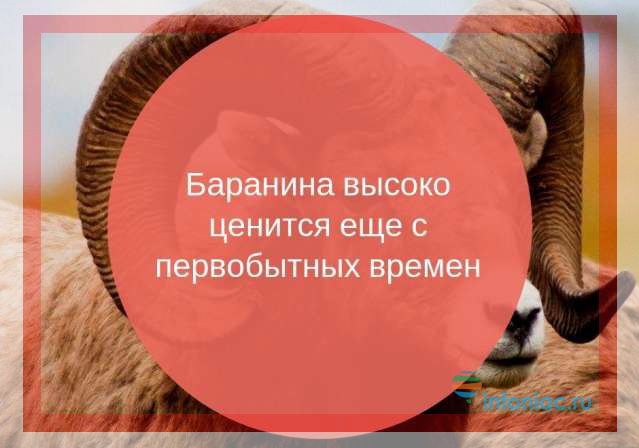
Lamb is a fairly high-calorie meat that has
excellent nutritional and culinary characteristics. It contains a large amount of
micro and macro elements, as well as easily digestible proteins. In terms of vitamins
and minerals, lamb is not inferior to pork and beef. However, it contains
as much as 30 percent more iron than pork.
Among other things, lamb contains magnesium, potassium, calcium,
sodium, phosphorus, vitamins PP, B1, B2. But lamb is meat that is still
difficult for our digestion, so its consumption should still be limited to
people with stomach and intestinal problems. At the same time, in oriental medicine,
this meat is considered the best.
Sheep meat is great for
older people's diets, and young lambs can easily be included in children's diets. This meat
contains fluoride, which will help protect teeth from tooth decay, which is very important
for children's teeth.
Lamb fat also contains a small amount of
cholesterol, which is responsible for the development of atherosclerosis. It is likely that
this can explain the fact that this disease is practically absent among
peoples whose main meat is lamb. Mutton also
stimulates the pancreas, which helps prevent diabetes.
The most delicious lamb meat
Helpful tips
The best combination is lamb and hot sauce, but in
Eastern countries sweet wine, apricots and dates are added to lamb sauce.
Thyme,
marjoram, cumin and oregano can also be used to emphasize the rich taste of this meat.
It is important to prepare dishes from young sheep who are not
yet three years old. At the same time, the meat should be light red,
because the older the ram, the darker its meat. Among other things, lamb is a fatty
type of meat, so it is also important to ensure that there is little fat.
Ram fat is dense and white. If the fat is of some other
color, and it has an incomprehensible smell, then this indicates the noble age of the ram,
which can cause difficulties when cooking. The unpleasant smell of fat
will help remove spices and herbs. This meat can't be cooked for a long time. Ideally, it is better
to undercook lamb, so the meat will remain soft and juicy.
The best parts for frying are the neck, back leg,
shoulder blade. The ideal parts for cooking and stewing are spatula and bacon. Before you cook lamb, you need to remove all the fat from it and rinse it thoroughly.
It is necessary to cook
it for about 2 hours, remembering to remove the foam.
Lamb goes well with red wines. Almost
any red wine will perfectly emphasize the aroma and taste of lamb dishes.

Fresh lamb meat can be kept in the refrigerator for up to 4 days.
To freeze the meat, wrap it tightly in plastic wrap, and then
place it in the freezer. It can be stored there for up to 9 months.
How to choose lamb
Good lamb is elastic, with white fat. As we
said above, the friability and yellowness of fat are a sign that the meat belonged to an
old animal. Be sure to test the hole by pressing down on the meat and
seeing if it goes away or not. Smell the meat well, the aroma should be
pleasant, free of impurities.
When choosing any meat, you should take
into account the age of the animal. Obviously, the older the animal, the
denser the meat, and the younger, the more tender the meat. Lamb meat that is not yet three months
old is very tender, and lamb meat up to two months
is generally considered a delicacy.
The age of the lamb can be understood by the color of the meat, the lighter it is,
the younger the animal. The old sheep has dark red, sinewy meat with yellow
fat.
If you want to buy lamb meat, remember that they are
usually born between January and March, so it is most likely to choose the freshest meat at
this time. If the lamb is thawed, this can be understood by the
bright red color of the meat, by the loss of elasticity, and by the fact that
when pressed, the dimples may not even even out at all.
Do not forget that re-frozen lamb
greatly loses its nutritional and taste qualities. Lamb that has been defrosted incorrectly
also loses its properties, so you should never
defrost it in warm water.
You should not buy old lamb also because it is
impossible to make it tender. Also, avoid buying meat that has
bruise-like spots. The taste
of frozen meat will be unsaturated; such fat breaks down or crumbles easily.
If lamb bones have yellowish bones, this
also indicates that the animal was aged.