
 Unbelievable facts
Many of us are wary of goods from China. And this is not surprising.
After all, in most cases we are talking about low-quality products, which, moreover, are very harmful.
Read also: 9 forbidden foods that the QUEEN NEVER eats: give them up too
Particular attention should be paid to the choice of food products. They often contain pesticides, as well as other hazardous substances that destroy our body and provoke cancer.
Here are 10 foods from China that you should never eat. Experts warn: discard them!
Harmful products from China
1. Tilapia fish
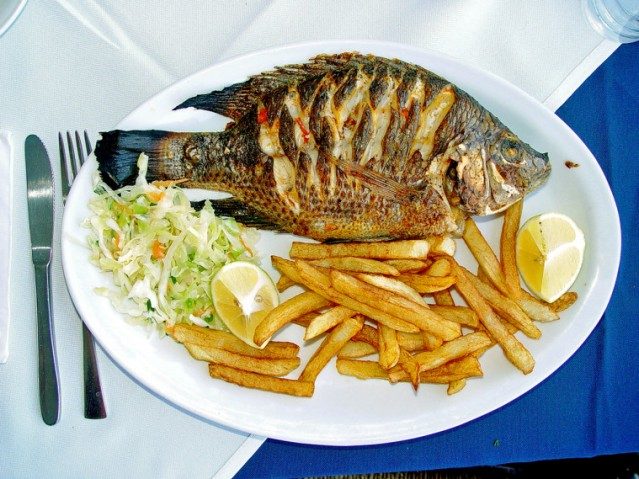
Tilapia is commonly grown in China. That's why 80 percent of this fish comes from there.
Tilapia is one of the most dangerous, most toxic and harmful fish species on our planet.
It is so unpretentious that some unscrupulous producers grow it in wastewater! Tilapia can be safely called garbage fish, as it feeds on everything and lives in the dirtiest waters, accumulating many harmful bacteria in its body.
Consequently, the risk that its meat will be contaminated with hazardous substances increases by a hundredfold compared to other types of fish.
This is one of the worst fish purchases you can make.
It is known that in China, most farmers who are familiar with how this fish is grown will not even allow their family members, especially children, to eat its meat.
2. Cod
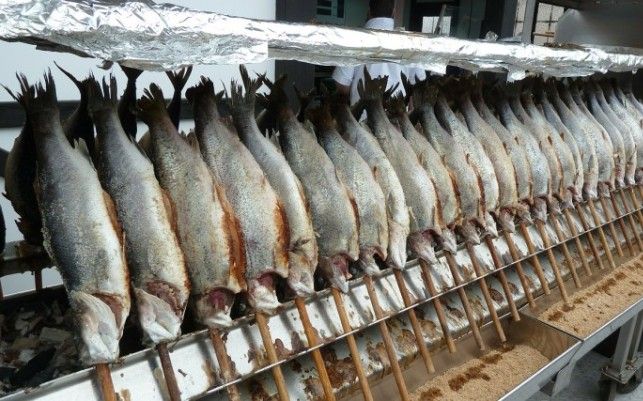
Cod is the second type of fish that poses a serious risk to human health if it comes directly from China.
But 50 percent of this fish comes from this country.
As a rule, cod is grown in Chinese fish farms under not quite acceptable conditions. The main problem is still the same: polluted water, garbage and dirt.
Any fish caught in sewage is likely to be contaminated with heavy metals such as mercury or lead, which pose significant hazards — especially for pregnant women.
3. Chicken meat
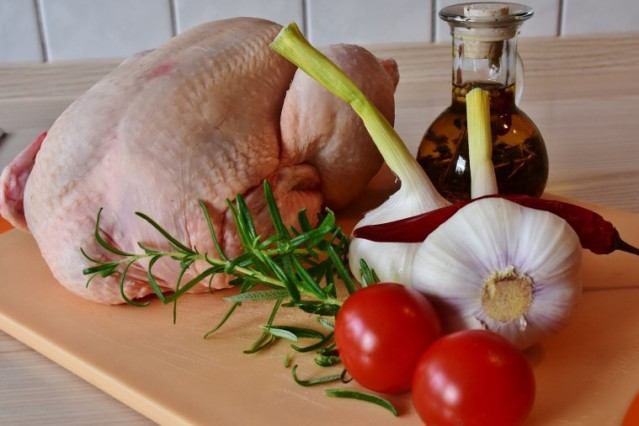
A huge amount of chicken meat comes to our shelves from China. Discard it. Give preference to locally produced chicken products.
The thing is that agriculture in China does not always comply with our standards. Serious viruses, such as bird flu, are often rampant on poultry farms. They can be a very unpleasant addition to chicken meat.
Read also: 14 invaluable tips for a HAPPY life from a Japanese doctor who lived to be 105
4. Apple juice
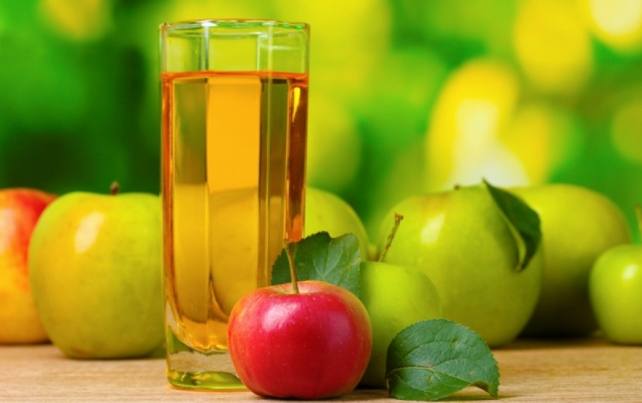
Why buy apple juice from China when we grow so many wonderful apples in our orchards?
And yet, about 50 percent of apple juice on supermarket shelves comes from China.
What is the danger of Chinese apples?
The thing is that just a few years ago, experts discovered antifreeze in juices from China.
It is known that China often uses harmful pesticides and chemicals to grow certain products. Even pesticides that have been banned by their own government are being used.
Therefore, if you can't live without apple juice, give preference to a local producer. Surely, the juice produced in your region is healthier and more environmentally friendly.
Avoid Chinese-made apple juice.
5. Mushrooms
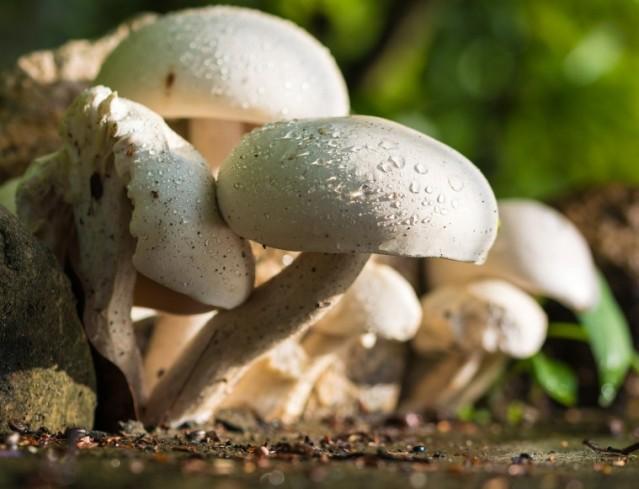
More than a third of all fresh and canned mushrooms on our store shelves come from China.
In fact, Chinese mushrooms have a not-so-clean reputation literally and figuratively.
After all, we do not see under what conditions they are grown. Mushrooms are known to have the ability to accumulate harmful metals.
Chinese farmers often use sulfur dioxide and formaldehyde to make mushrooms look fresher than they really are and stay presentable on store shelves longer.
Unfortunately, we do not always know that Chinese mushrooms are on the shelves of our stores. After all, they are often passed off as the products of local farmers.
Therefore, the advice is as follows: buy mushrooms only in trusted places, if you know for sure that the mushrooms are grown by a local producer.
Dangerous products from China
6. Garlic
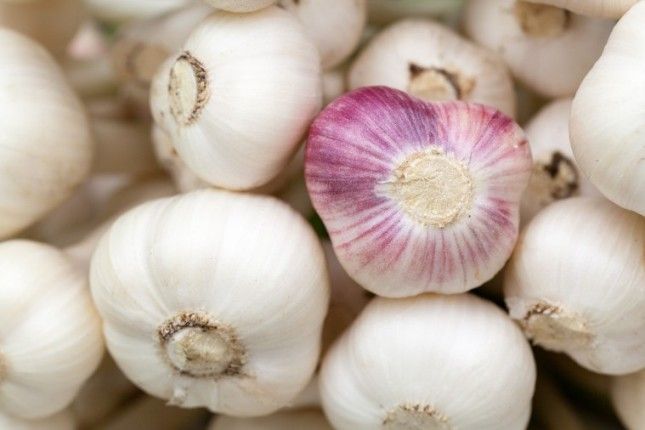
Garlic is considered one of the healthiest foods on the planet. It is a natural antibiotic with cholesterol-lowering properties as well as anticancer properties.
Unfortunately, this does not apply to garlic that comes to us from China.
Methyl bromide, one of the most dangerous pesticides, has been found in Chinese garlic. But almost a third of garlic comes to supermarket shelves from China.
Specialists have indeed discovered harmful substances contained in garlic. It is not surprising that by eating such a product, we harm our health, and do not benefit it at all.
So buy garlic from local farmers.
7. Plastic rice
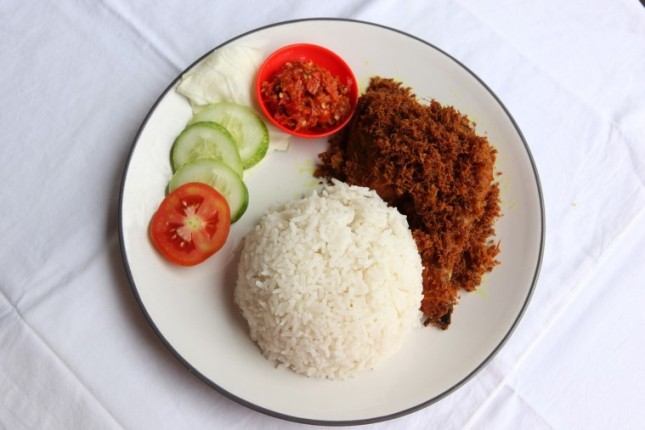
Recently, you can find numerous reports warning about the dangers of so-called plastic rice exported from China.
A distinctive feature of this product is that it remains firm when cooked. In fact, this rice is made from starch and plastic (artificial synthetic resin). This fake rice is causing serious health problems.
Experts say that prolonged consumption of such a product can provoke cancer.
Be careful when buying rice and avoid Chinese-made rice.
8. Black pepper
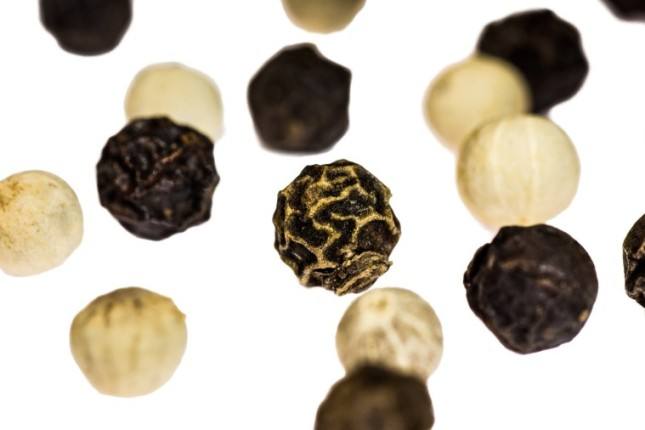
One of the Chinese suppliers of black pepper was caught selling ordinary dirt under the guise of peas.
But the same dishonest businessman already passed off flour balls as white pepper.
9. Salt
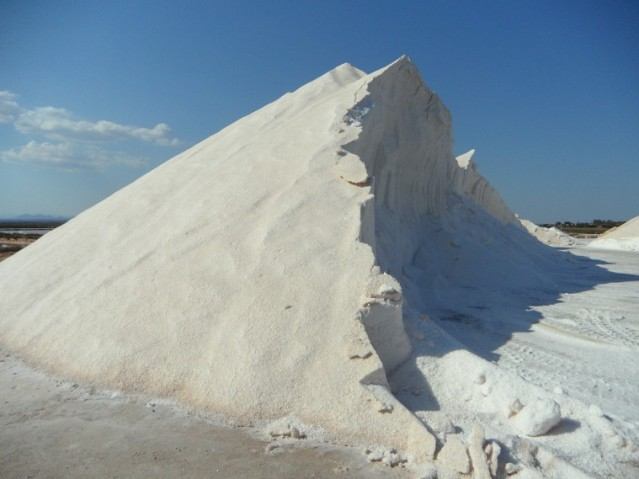
Industrial salt is not suitable for human consumption. Industrial salt from China has been sold for 13 years under the guise of table salt.
It is known that industrial salt can cause both mental and physical problems, problems with hypothyroidism, as well as disorders of the reproductive system.
Read also: 7 foods we eat at the wrong time and are ruining our health
10. Green peas
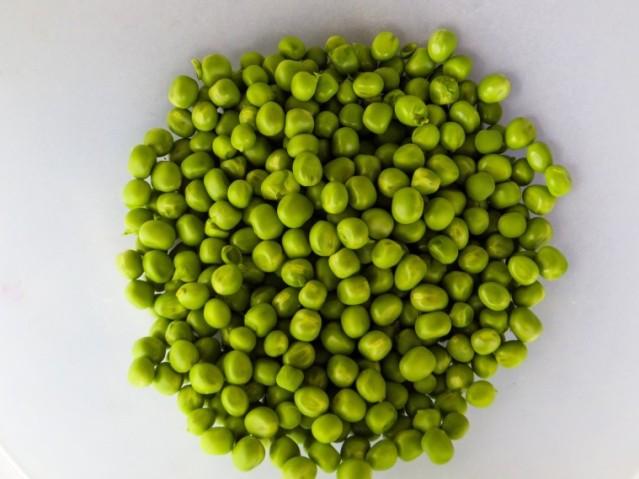
A few years ago, fake green peas were found in China.
According to media reports, peas did not become softer during cooking, and the water turned unusually green.
As it turned out, fake peas were created from soybeans with the addition of green dye and sodium metabisulfite (a chemical that is used as a bleach and as harmful preservative).
This dye is prohibited in the food industry. It is known that its use in food provokes cancer and also interferes with the body's natural ability to absorb calcium.
Try to avoid green peas from China, give preference to local producers.
In addition to this point, organic foods are worth mentioning.
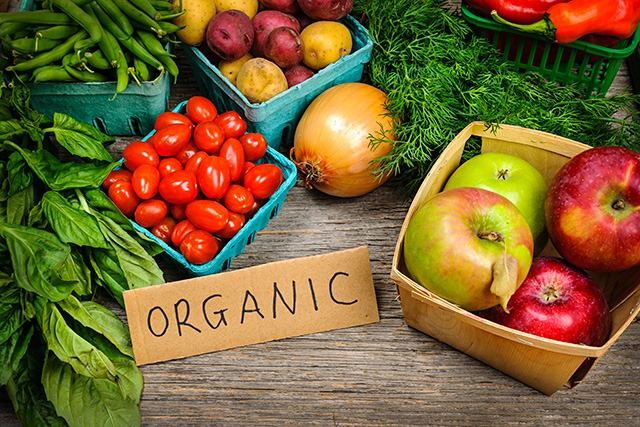
It is known that the US and European Union countries use high standards to certify organic products. These standards meet certain requirements.
Unfortunately, there are virtually no regulations governing the cultivation of organic products in China.
In addition, when it comes to transporting Chinese products, misleading product labeling is often used. As a result, we buy a product without even knowing that it has nothing to do with organic food.