
 Health
Are you worried about getting old? Try to find the pros that you're not alone in this! Seriously speaking, psychologists believe that fear of old age is one of the most common human phobias.
Whether you are worried that old age will make you weak, or are you simply afraid of death — this is not so important. More importantly, you have a reason not to lose heart, but, on the contrary, to take advantage of this fact. That's right — benefits!
It may sound trite, but don't forget that wisdom and experience come with age; in old age, we're usually surrounded by proven friends with whom we feel like we are more comfortable. Of course, you can't undo the aging process; but you can definitely change HOW you age.
The ability to take more time for yourself, moderate physical activity, and proper nutrition are just a few of the things that can make the aging process much less painful . What else should we expect as we approach old age? What should we prepare for? What are the most important signs of aging that you should pay attention to first?
Ageing of the human body
You sweat less
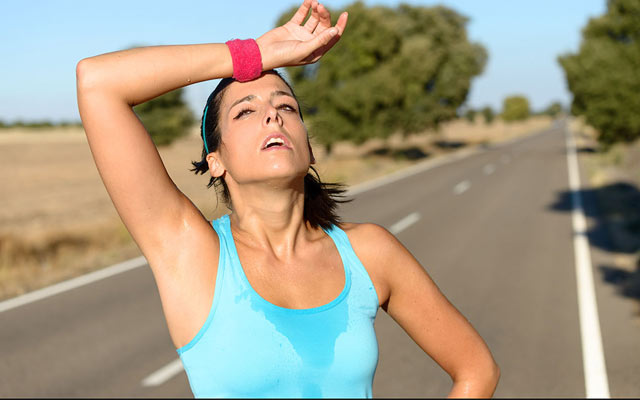
In our younger years, we perceive the fact of sweating as an absolutely inevitable, but rather annoying phenomenon — nothing more. However, we should not forget about the benefits of sweat: take thermoregulation at least; or, as is often remembered less often, the effect of sweat on healing wounds.
Here is a necessary clarification — of course, it is not the sweat itself that heals. But, according to numerous studies, sweat glands, as external-secretion glands, are extremely important for re-epithelialization — a beautiful abstruse scientific word for wound healing.
Taking into account the process of thermoregulation, as well as the fact that the human body's ability to secrete indirectly contributes to the healing of our body, it is easy to come to the conclusion that in the elderly people begin to have some problems with age. This is because older people usually sweat less than young people.
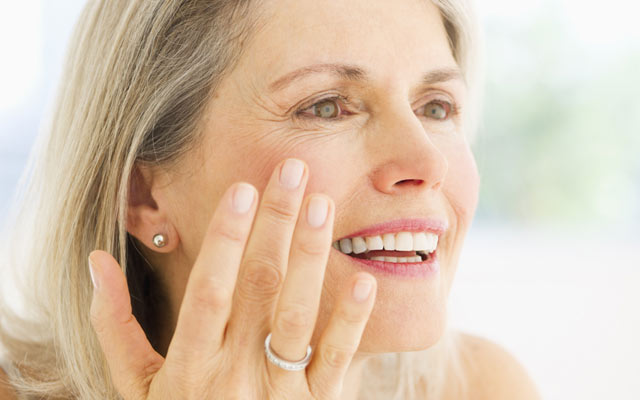
What is the first and most logical reason that comes to mind? Most likely, you will assume that the function of the sweat glands simply deteriorates with age. However, this is not the main reason. The main “fault” lies with aging skin, which worsens the sweating process with all the ensuing consequences.
As we age, our skin slowly wears out and becomes unable to restore new cells to its original volume. This, of course, is bad. However, it is possible and even necessary to slow down this process in order to maintain the normal function of the sweat glands for as long as possible. Moreover, it is not so difficult.
You just need to know that the most common cause of human skin deterioration over age, affecting the functionality of the sweat glands, is constant exposure sun rays. That is why it makes sense to regularly protect your skin with special creams and lotions.
Your teeth are becoming less sensitive
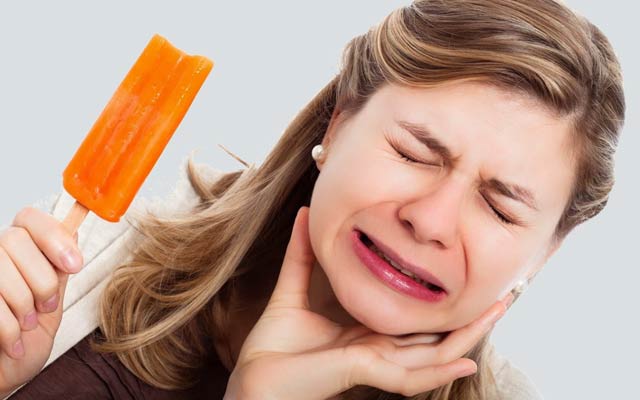
If you've always had very sensitive teeth, you're well aware of the discomfort (to put it mildly!) this fact delivers. Both hot and cold foods interfere with normal eating, causing severe pain; and solid foods are less affordable. Yeah, it's not enough fun…
However, as we age, our teeth become less and less sensitive. At first glance, this looks like a pretty positive change for those who have suffered from hypersensitive teeth all their lives, as their teeth will finally start to cause them fewer problems.
Read also: 5 signs your body is aging too fast and how to stop it
The main reason why teeth lose their former sensitivity with age is, as you know, a decrease in the sensitivity of dental nerves, which, relatively speaking, “dry out”. So maybe for the better, you might say! The pain is going away. But this is not as good news as it might seem at first glance.
The fact is that due to the loss of sensation by nerves, we stop feeling when we have known dental health problems (for example, a new hole appears). That is why it is extremely important for older people to undergo regular dental examinations.
Many people think that the gradual loss of teeth with age is inevitable. Of course, our teeth also change along with the rest of the body as it ages. However, with care and proper care from early childhood, a person may well live his whole life with his own teeth.
It's no secret that people don't like to visit the dentist, delaying the visit until real problems arise. However, everyone needs professional dental care, that is, dental and oral hygiene, which can only be obtained at the dentist's office. Following this rule can also help keep your teeth well into old age.
Human old age
Your brain is “drying out”

Dental nerves are far from the only part of your body that loses size with age. As terribly sad as it may sound, scientists have recently recorded the amazing fact that the human brain “shrinks” as the body ages. And this is the most true thing.
Brain researchers explain this not so much by the fact that the number of new neurons is decreasing, but by the decrease in neural connections. Of course, it is extremely unpleasant to realize that one of the most important organs in our body “dries up” with age.
However, an important point is the fact that not everyone is faced with significant “shrinkage” of the brain. One study found that some older people have a larger cerebral cortex (that is, the thickness of the gray matter layer) than others. Scientists have suggested that in such people, the brain is not so sensitive to the effects of aging.

And that turned out to be true. “Brained” older people have a more stable memory, and their brain volume did not decrease as markedly over the three-year study period as the brain of another group of elderly people studied. But does nature mean that nature gives some more viable brains than others, condemning them to “dumb” old age? According to scientists, this is not entirely true.
In fact, many factors influence the process of “drying out” the brain. To avoid changes in old age so significant that they could adversely affect cognitive functions, you should not smoke, control blood pressure, avoid alcohol and overeating, devoting time to sports and intellectual activity in earlier periods of your life. That's the whole secret.
You're getting lower
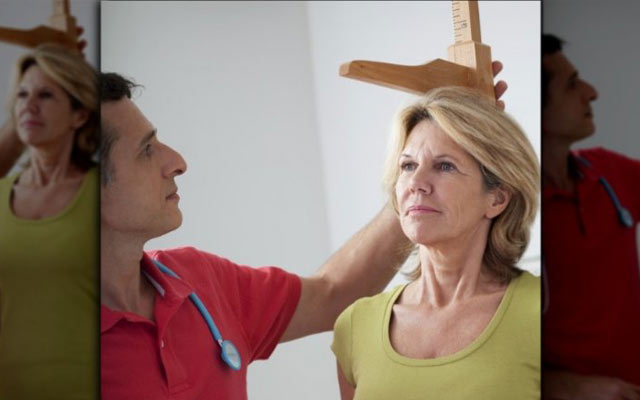
If you have been in regular contact with aging relatives for a long period of time, you may probably think that their growth seems to be decreasing slightly from year to year. But no, don't you think this really happens to almost all older people.
It is believed that the vast majority of men between the ages of 30 and 70 lose about 2.5 centimeters of height. During the same period, women lose even more — up to five centimeters. After 80 years, both sexes further decrease in height by an average of another 2.5 centimeters. This is such a “belittling”!
Specialists in geriatrics (one of the branches of gerontology that studies diseases in older people) explain the fact of changes in growth as a result of aging by the wear and tear of articular cartilaginous tissue . There are problems associated with osteoporosis, which cause the spine to literally become shorter.

In addition, bone tissue loses a significant amount of calcium and other vital minerals during the aging process. This problem is especially acute for post-menopausal women. However, this is not the only reason for the constant decrease in growth in old age.
It's no secret that as the body ages, a person (both men and women) usually loses muscle mass. In some cases, muscle tissue is replaced by adipose tissue. Does that mean it can't be avoided? Far from it: a healthy diet and regular physical activity throughout life can help you maintain your normal growth for longer.
Your bladder is starting to take on a life of its own
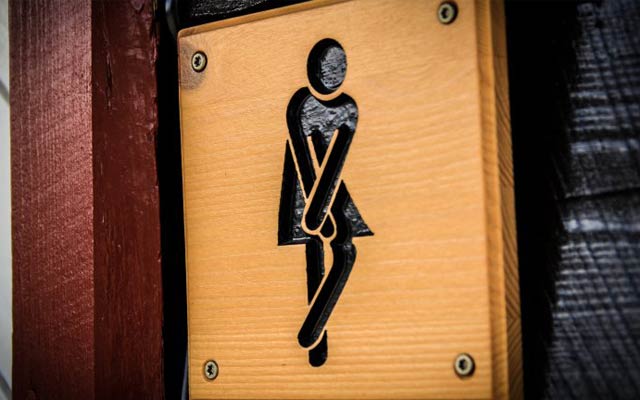
No matter how hard we try, old age is inevitable. The only thing we can do is make it healthier. The irreversible aging process causes approximately the same damage to men's and women's health. However, it seems that nature was more unfair to women, “giving” them such an unpleasant period as menopause.
During the onset of the menopausal period, urinary function is significantly impaired. Medical specialists have long identified the main cause of this disorder, which is the deficiency of the hormone estrogen in the female body.
During menopause, the intensity of production of this substance is significantly reduced, and the bladder, responding to the lack of the aforementioned hormone, “weakens”. This leads to urogenital atrophy and all associated symptoms, including incontinence and frequent urination.
And as if that were not enough, menopause naturally overlaps with the aging process, which also works against pelvic organs and tissues. Naturally, everyone would like to avoid this sign of aging; and there is such a possibility. Accordingly, there are ways to reduce the troubles caused by a weak bladder.
So-called hormone replacement therapy can help some women. However, there is an affordable alternative to hormonal treatment — this requires significantly reducing coffee consumption at a young age and starting regular kegel exercises. And also try to maintain a healthy weight.
Signs of old age
Your face changes radically
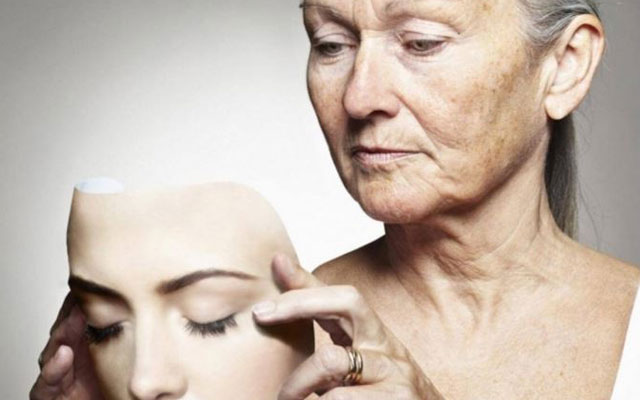
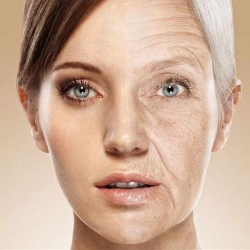
Are drastic facial changes really an integral sign of aging that no one can avoid in the long run? Alas, this is true. But it is possible to make them less radical. When you're in your twenties or so, your skin is rich in collagen and subcutaneous fat, which is the fat underneath your skin.
At a young age, subcutaneous fat is located, so to speak, in the right places, at least responsible for the attractive and elastic shape of your cheeks. When you're in your thirties, it's common to start showing various spots on your face, including nasty dark circles under your eyes, cheeks, forehead, and chin.
The most common cause of such spots is the regular negative effects of sunlight. However, in some women, increased pigmentation of the skin or mucous membranes occurs during pregnancy or due to contraceptive use.
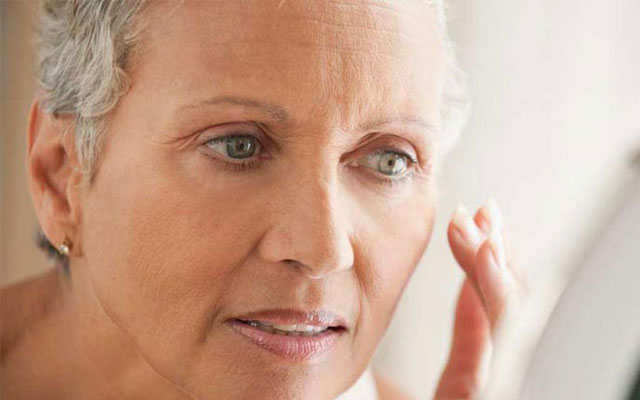
The first reason, as mentioned earlier, is worth starting to fight in youth by using creams and lotions that protect against the harmful effects of ultraviolet radiation. However, the skin eventually begins to lose its volume; at the same time, your face gradually begins to look thinner and, alas, older.
After forty years, our skin begins to dry out, which makes your facial wrinkles (and any wrinkles in general) more visible. During this period of life, the use of moisturizing and nourishing creams (along with sunscreens) is of great importance for the skin.
During this period of life, the layer of subcutaneous fat begins to thin even more intensively and, unfortunately, unevenly. Usually this process affects the center of the face of an aging person, after which it gradually falls down, as if girdling the jaws.
Read also: 10 simple ways to slow down aging
Sometimes it looks like the skin is sagging, but in reality it just “dries out” (although it doesn't sound much nicer, does it?). Be that as it may, only by regularly taking care of your skin and following the well-known principles of a healthy lifestyle can keep it attractive for much longer.
Your feelings are dulled

When we were young children, we developed our five senses every day, learning how to make the most of them to receive and process information about the world around us. However, during that bright period of our lives, we have no idea that in old age our feelings will begin to dull.
You may not have noticed, but as a person's body ages, their hearing deteriorates and their ability to differentiate sounds decreases. You begin to distinguish between background noise a little worse, and you hear quiet sounds worse. This is due to a decrease in the functionality of your inner ear structure.
In old age, this process is significantly accelerated. Similarly, with the onset of old age, the structure of the eyes also changes. The cornea becomes less sensitive; our pupils become smaller, and our eyes begin to sink deeper into the eye sockets. Ultimately, our vision is reduced.
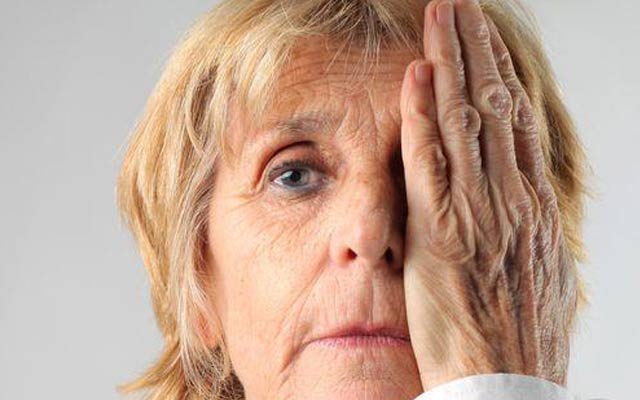
When we cross the threshold of old age, our taste buds in the oral cavity also “dry out”; and the ability to acutely smell usually begins to decrease — especially after seventy years old. What remains is the last of the five external senses: touch.
It can be said that touch is, to a certain extent, one of the most important senses, because it allows us to feel touch, feel pain that warns us of danger, and distinguish changes in temperature and pressure. Of course, the sense of touch also begins to “fail” in old age.
So, as we age, all our senses become dulled for a variety of objective reasons. For example, due to reduced blood flow to our nerve endings, spinal cord and brain. In fact, there are many reasons. Of course, there are ways to avoid significant deterioration, or, if it has begun, to suspend the process.
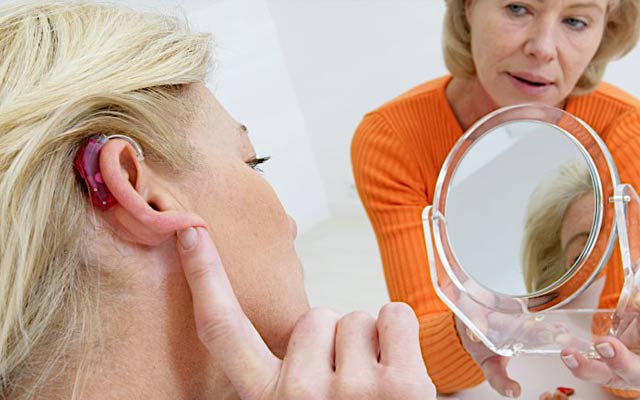
This is a very broad question that is beyond the scope of this article. The general advice that can be given in this case is as follows: you must avoid factors that adversely affect the body throughout your life; follow a healthy lifestyle; be examined regularly by doctors.
Body aging
Your digestive system is failing regularly
The human digestive system is a complex mechanism that includes three dozen organs and parts of the body (from the oral cavity to the anus). When it works properly, we don't even think about its complexity. But as soon as something goes wrong, we can't think about anything else.
Once in our mouths, food goes through many different stages of chemical processing, moving along the gastrointestinal tract, just like toothpaste travels along the tube when we squeeze it … As our bodies age, this streamlined process slows down.
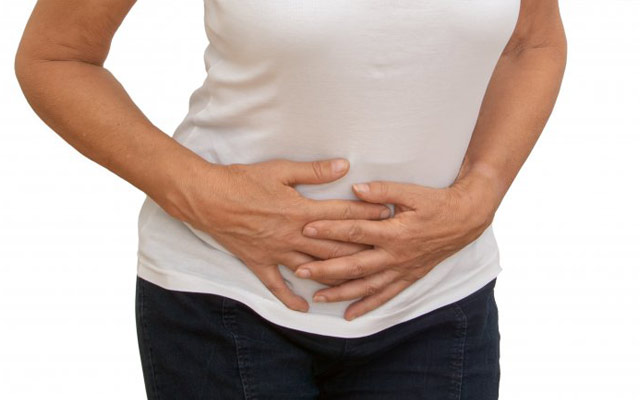
Now, in order to “drive” food through the digestive tract, the body needs to absorb more fluid; this usually leads to constipation. Specialists know that constipation for people aged sixty to seventy is one of the most common digestive problems.
In addition, old age often brings with it other health problems, which increase the number of older people who regularly take various medications. Many of these medications also interfere with the digestive system.
Physicians know that the situation with constipation is significantly aggravated if the problem of low mobility is added to all other problems. To prevent known digestive problems, you need to consume fiber regularly, drink plenty of fluids, control your weight and maintain reasonable physical activity. If possible, do not abuse drugs.
Is old age a joy?
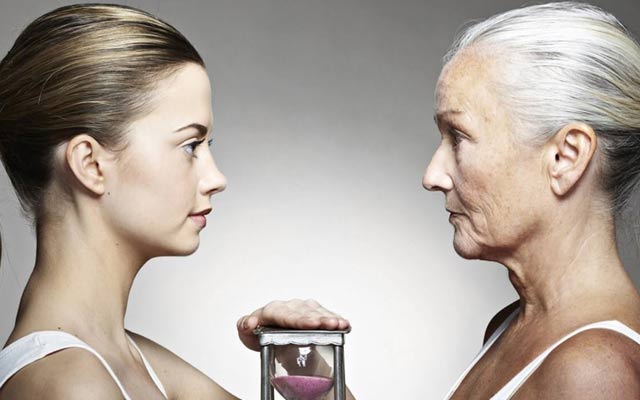
It seems that the number of problems that can await us in old age can plunge anyone into a state of despondency. But if this were the case, all older people on our planet would be deeply depressed. Fortunately, this is not the case. It's just that old age comes gradually, so a person has time to adapt to the coming changes.
When we talk about old age without being old, the many negative aspects always outweigh the few positive aspects. However, there is something about old age that allows us to perceive this irreversible process much more favourably, changing our attitude towards it.
We will be able to feel this later, when we hope we reach old age. But you can find out about this right now. And the results of one of the studies on aging, which involved more than a thousand men and women aged 50 to 99, will help us with this.
The study examined the full range of chronic diseases and pathological health disorders characteristic of these ages. In addition, the involvement of older people of different ages in social aspects of life was studied, as well as how they themselves assessed their condition in terms of age. The results of the study were very surprising to scientists.
One of its authors, psychologist Colin Depp, an associate professor of psychiatry at the UC San Diego School of Medicine, was surprised that older people, being, one might say, in the most active period of “physical and cognitive decline”, they noted their favorable attitude towards both their lives and their age. It looks pretty weird, doesn't it?
Let's hope that the “drying” brain has nothing to do with it… It seems that old people, at the dawn of life, evaluate it not only in terms of accumulated sores. This means that despite their old age, they have a lot to be thankful for this life and love it for what it is. Each of us should come to this feeling when we are old. At least that's what I want to believe!