
 Ecology
Volcanoes on our planet are geological formations on the earth's crust.
From here, magma comes to the earth's surface, which forms lava, as well as volcanic gases, rocks and mixtures of gas, volcanic ash and rocks. Such mixtures are called pyroclastic flows.
It is worth noting that the very word “volcano” came to us from Ancient Rome, where Vulcan was the name of the god of fire.
Read also: The 5 biggest volcanoes in the world
Many interesting things are known about volcanoes, and you can find a few facts about them below.
25. The strongest volcanic eruption (Indonesia)
Of all documented volcanic eruptions, the largest was recorded at the Tambora stratovolcano on Sumbawa Island, Indonesia, in 1815.
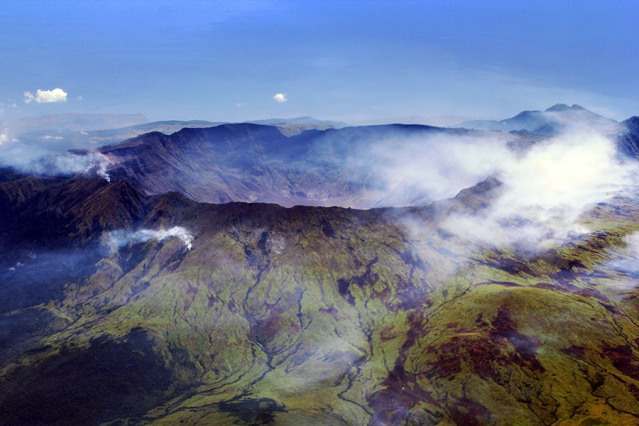
In terms of volcanic explosivity, the intensity of the eruption reached 7 points (out of 8).
This eruption lowered the Earth's average temperature by 2.5 °C over the next year, which was called the “year without a summer”.
It should be noted that the volume of emissions into the atmosphere was approximately 150-180 cubic kilometers.
24. Prolonged effects of a volcanic eruption
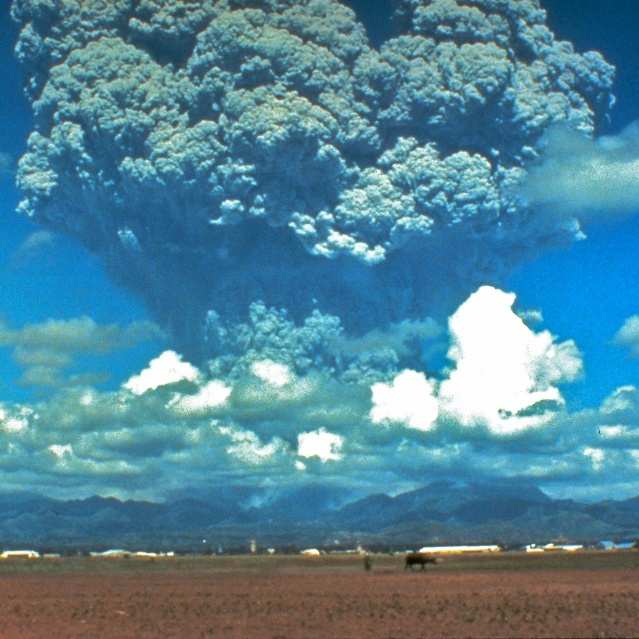
Gas and other particles released into the atmosphere during the eruption of Mount Pinatubo on Luzon Island, Philippines, in 1991, reduced global temperatures by about 0.5 degrees Celsius during next year.
23. Lots of volcanic ash
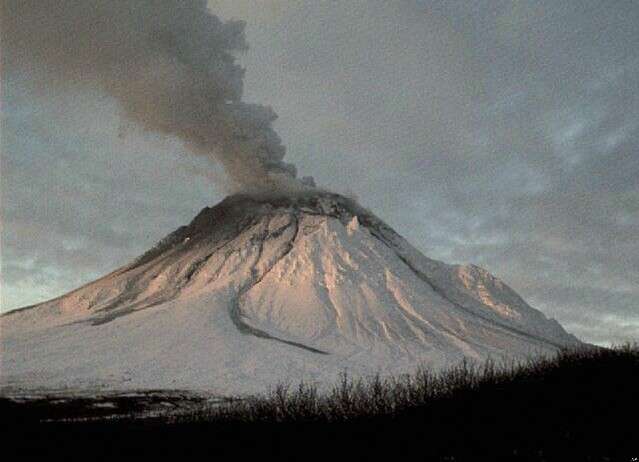
During the 1991 eruption of Mount Pinatubo, 5 cubic kilometers of volcanic material were released into the air, creating a column of ash 35 km high.
22. Big volcanic explosion
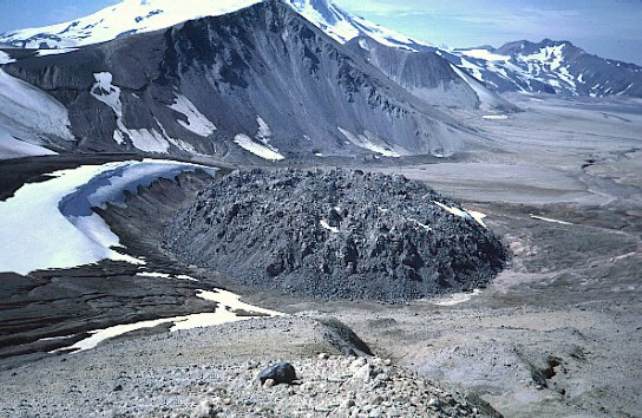
The biggest explosion of the 20th century occurred in 1912 during the eruption of Novarupt, one of Alaska's chain of volcanoes, part of the Pacific Volcanic Ring of Fire. The strength of the eruption reached 6 points.
21. The prolonged eruption of Kilauea
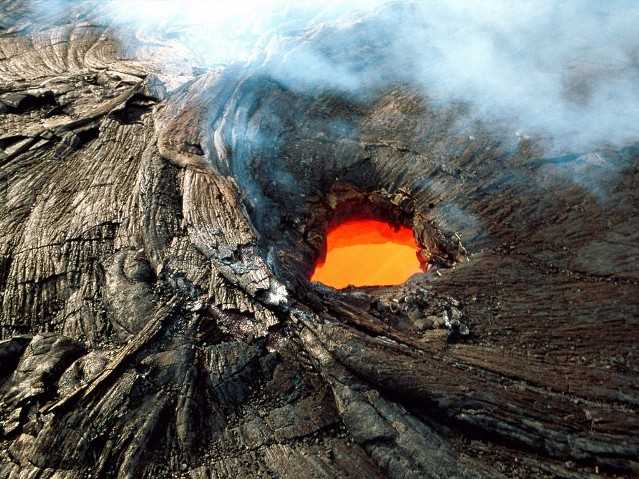
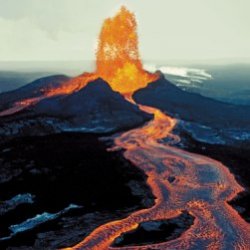
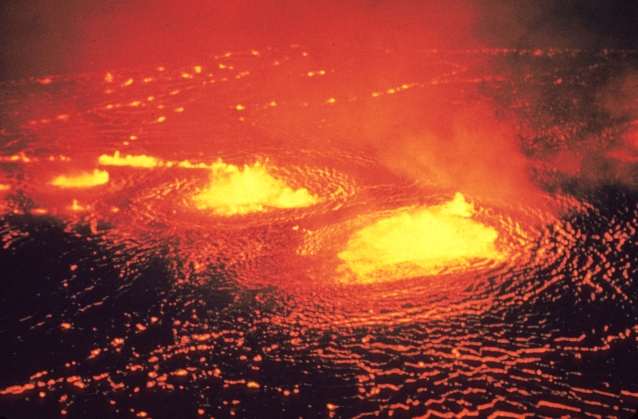
One of the most active volcanoes on Earth, Hawaii's Kilauea, has been erupting continuously since January 1983.
20. Deadly volcanic eruption
The colossal magma chamber that was inside Taupo volcano continued to fill for a very long time, and finally the volcano exploded.
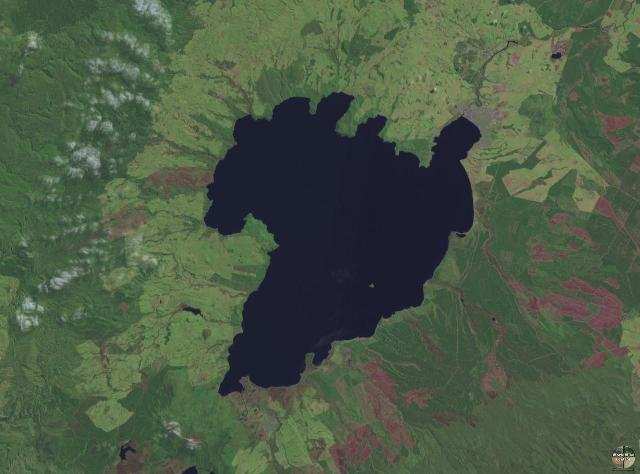
After the eruption in April 1815, which reached 7 points, between 150 and 180 cubic kilometers of volcanic material were released into the air.
Volcanic ash has also invaded remote islands, leading to a huge death toll. They numbered approximately 71,000. About 12,000 people died directly from the eruption, while the rest died as a result of starvation and diseases caused by eruptive falls.
19. Big mountains
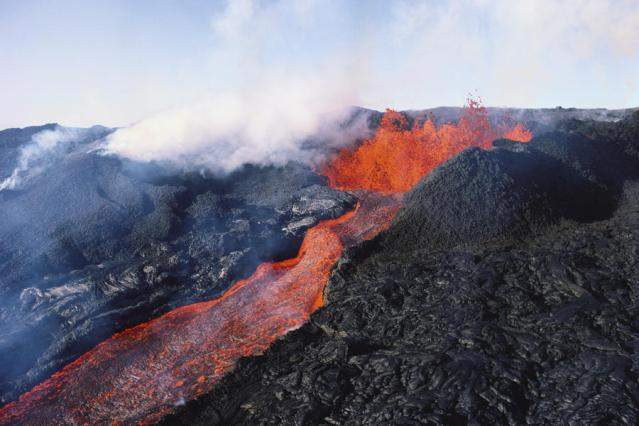
Hawaii's thyroid volcanoes are the largest mountains on Earth. Mauna Loa, the largest volcano in terms of volume, is 10,210 meters high, making it taller than Mount Everest. You can learn more about Mauna Loa by reading this article about it.
18. Active volcanoes today
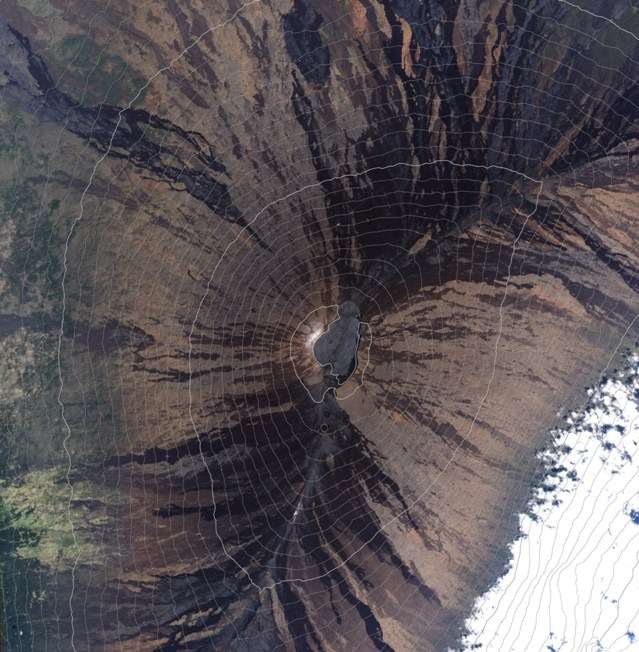
Hawaii's Mauna Loa volcano is the largest active volcano in the world, rising 4,1769 meters above sea level. Its relative height (from the ocean floor) is 10,168 meters. Its volume is about 75,000 cubic kilometers.
17. The surface of the earth covered by volcanoes
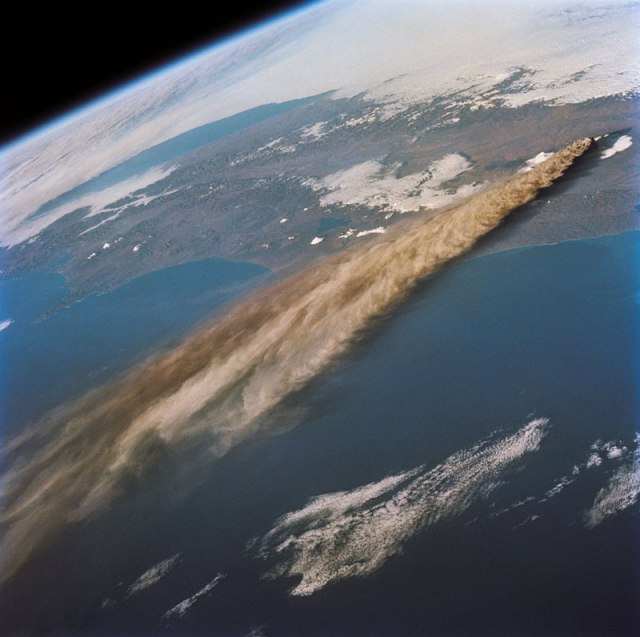
More than 80 percent of the Earth's surface above and below sea level is of volcanic origin.
16. Ash is everywhere (Mount St. Helens)
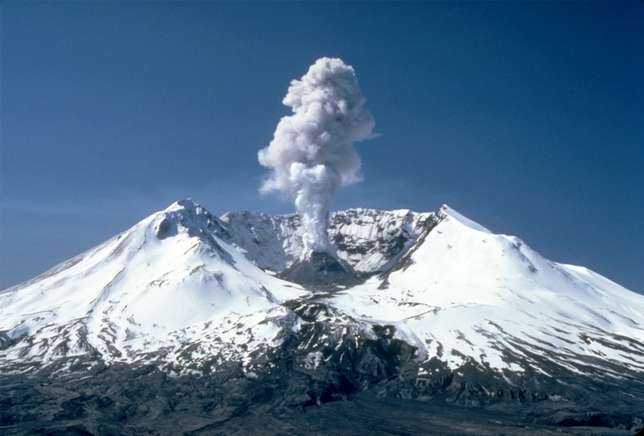
During the 1980 eruption of the St. Helens stratovolcano, about 540 million tons of ash covered an area of more than 57,000 square kilometers.
15. Volcano disaster – landslides
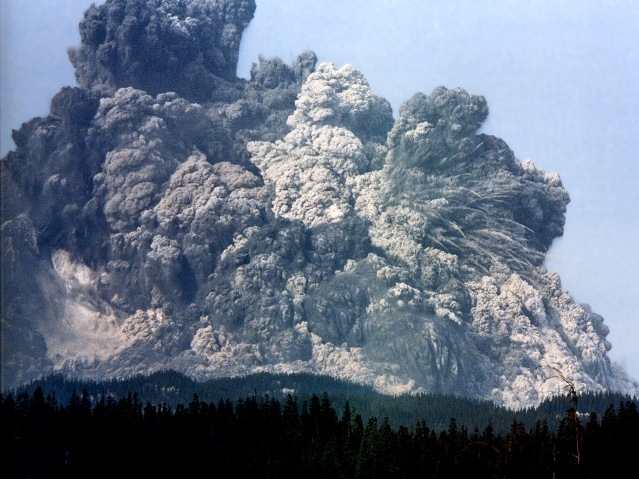
The St. Helens eruptions led to the largest landslides on Earth. As a result of this eruption, the height of the volcano was reduced by 400 meters.
14. Underwater volcano eruptions
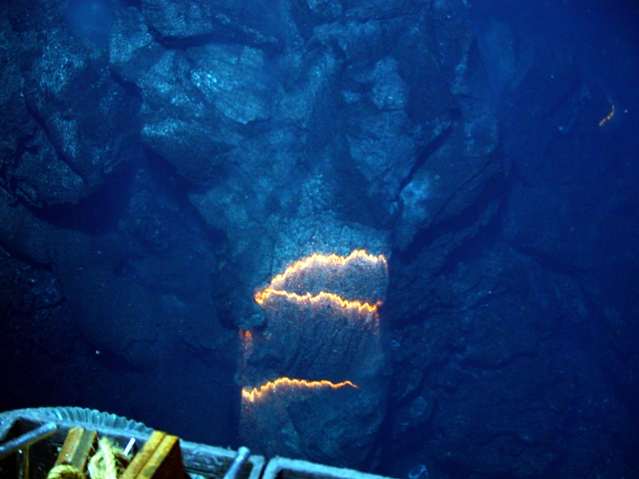
The deepest recorded eruption of the volcano occurred in 2008 at a depth of 1,200 meters.
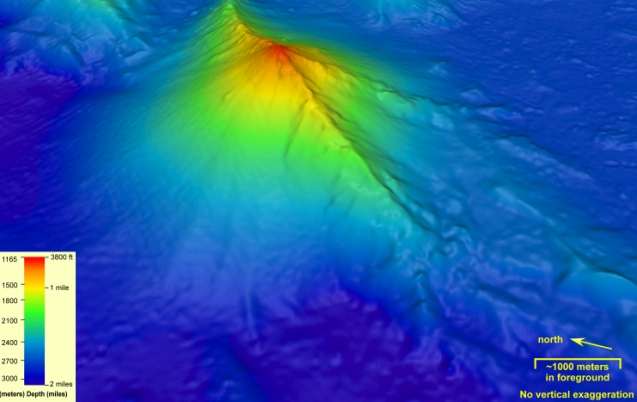
The reason was the West Mata volcano, located in the Lau Basin near the Fiji Islands.
13. Volcanic lava lakes in Antarctica
The southernmost active volcano is Erebus, located in Antarctica. It should be noted that the lava lake of this volcano is the rarest phenomenon on our planet.
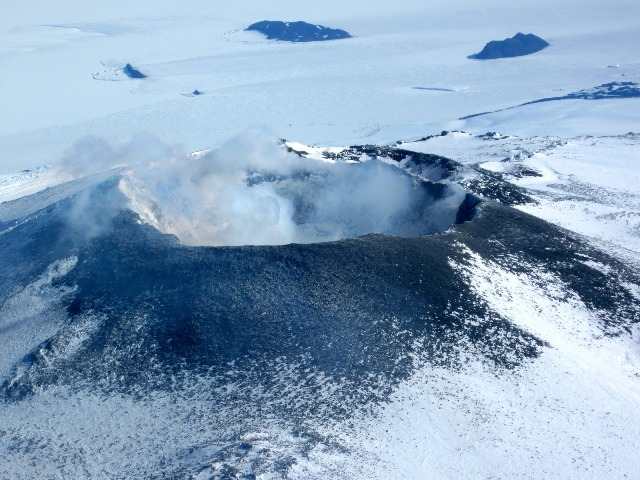
Only 3 volcanoes on Earth can boast “unhealed” lava lakes – Erebus, Kilauea in Hawaii, and Nyiragongo in Africa. And yet, a lake of fire in the midst of eternal snow is truly an impressive phenomenon.
12. High temperature (what comes out when a volcano erupts)
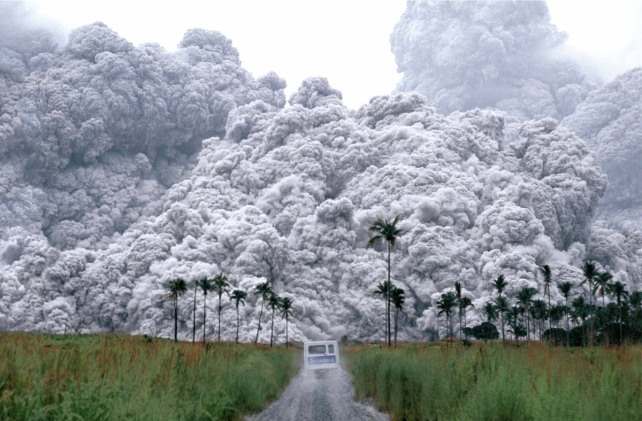
The temperature inside the pyroclastic flow — a mixture of high-temperature volcanic gases, ash and rocks that forms during a volcanic eruption — can exceed 500 degrees Celsius Celsius. This is enough to burn and carbonize wood.
11. The first in history (Nabro volcano)
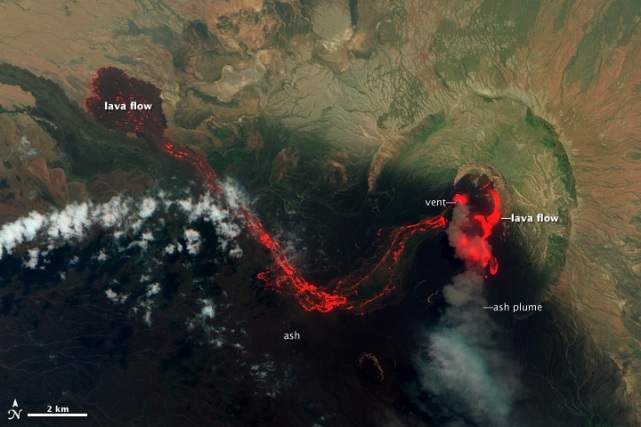
On June 12, 2011, the active Nabro volcano, which is located in the southern part of the Red Sea, near the borders of Eritrea and Ethiopia, woke up for the first time. According to NASA, this was its first recorded eruption.
10. Earth's volcanoes
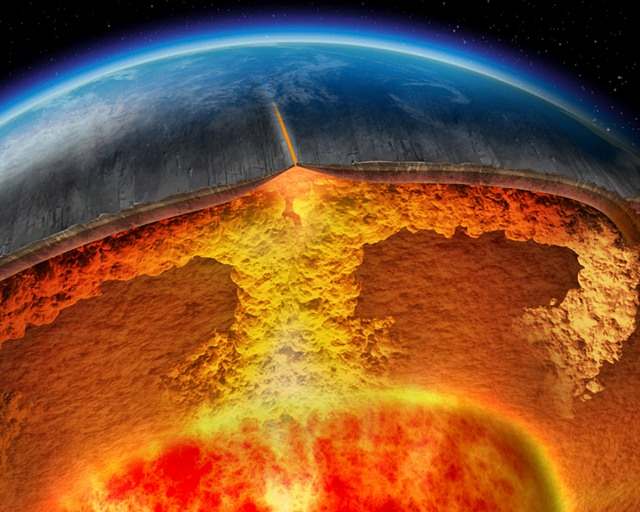
There are about 1,500 volcanoes on Earth, not including the long volcanic belt on the ocean floor.
9. Pele's tears and hair (parts of the volcano)
Kilauea is the place where, according to myths, Pele, the Hawaiian goddess of volcanoes, lives.
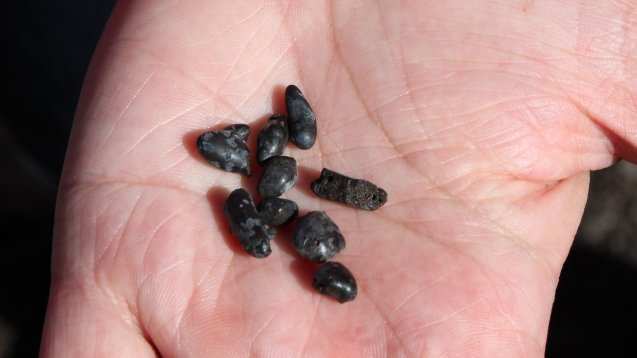
Pele's tears
Several lava formations have been named after her, including “Pele's tears” (small drops of lava cooled in the air) and “Pele's hair” (lava splashes cooled by the wind).
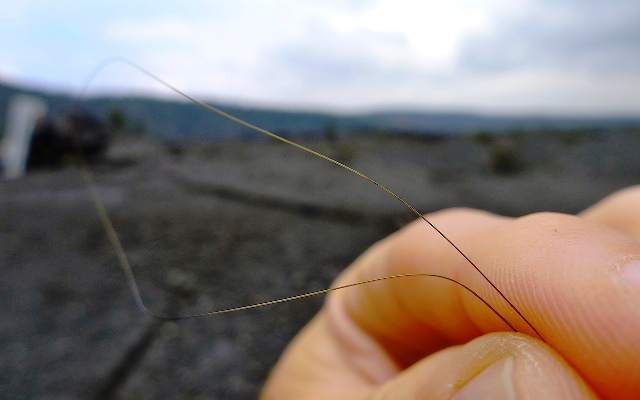
Pele's hair
8. Supervolcano
A modern person could not witness the eruption of a super volcano (8 points), which can change the climate on Earth.
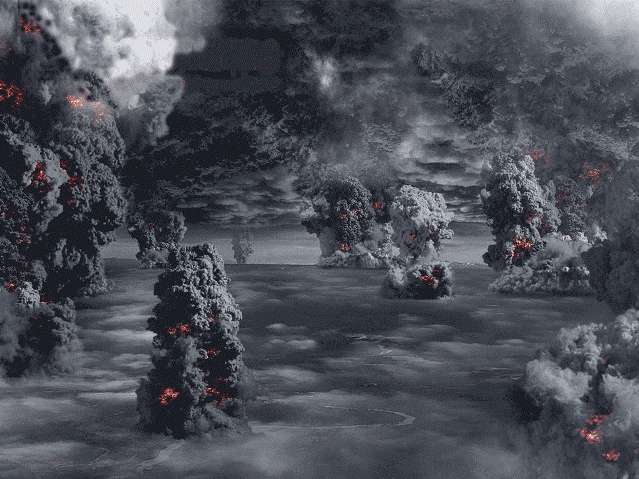
The last eruption took place about 74,000 years ago in Indonesia. In total, there are about 20 supervolcanoes on our planet known to scientists. It should be noted that, on average, such a volcano erupts once every 100,000 years.
Read also: Yellowstone supervolcano: 7 facts you need to know
7. Volcanic bomb (firestone)
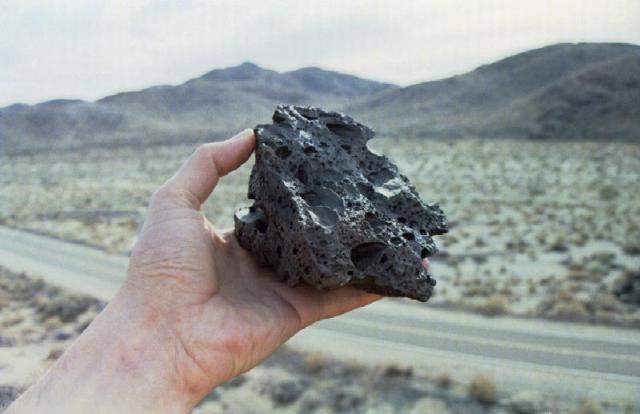
This is a lump of lava that is released during an eruption. It can be in a liquid or plastic state. The air cools it during flight, and it takes on its characteristic shape.
6. A long story (Mount Etna)
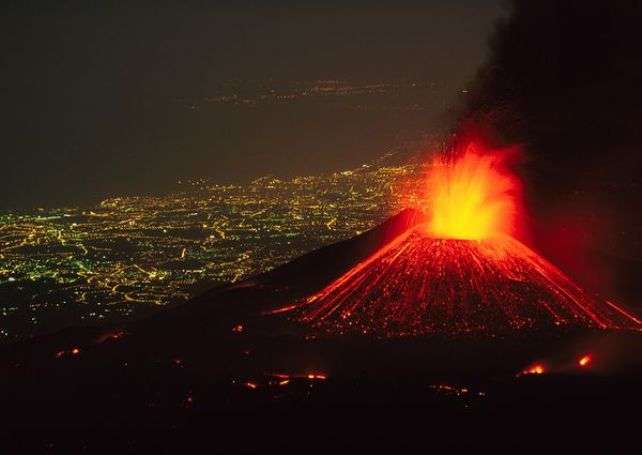
Mount Etna has the longest activity on Earth. People have been recording the eruption of this volcano since 1500 BC.
5. Fire ring
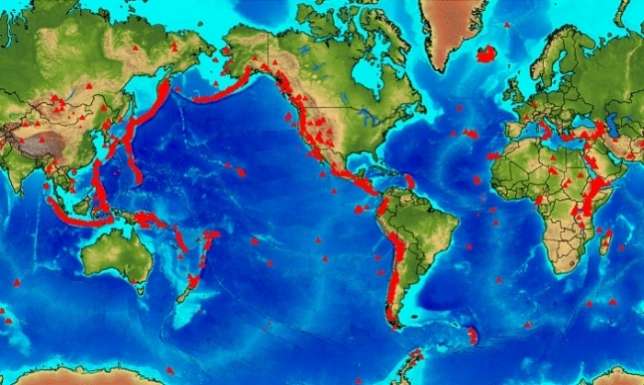
The Pacific Volcanic Ring of Fire is a zone along the ocean perimeter where most of the active volcanoes are located.
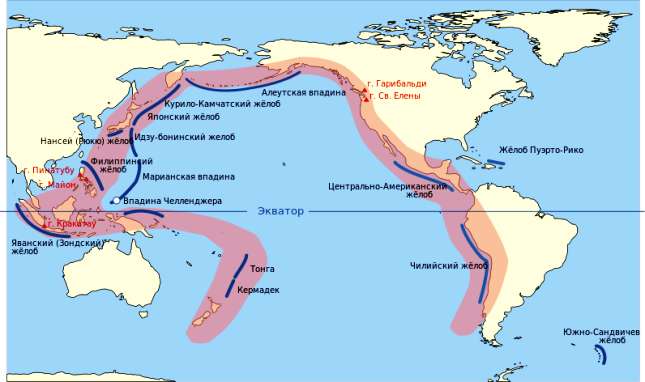
A large number of earthquakes also occur here. It should be noted that the total number of known active volcanoes in the ring of fire reaches 452 units.
4. In the northern hemisphere (Klyuchevskaya Sopka)
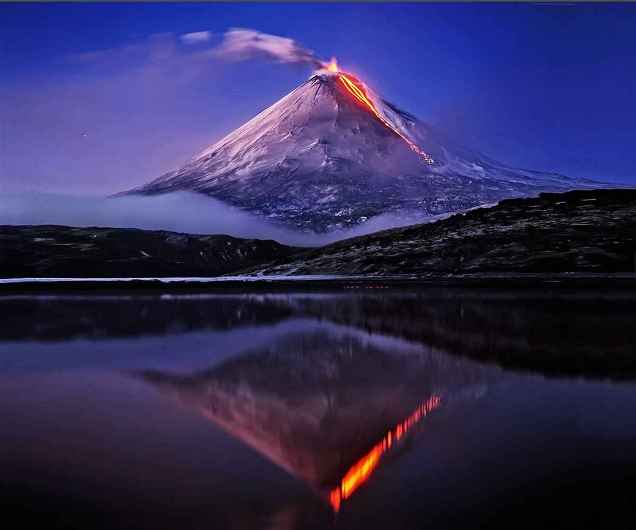
The most active volcano in the northern hemisphere is Klyuchevskaya Sopka, located in the east of the Kamchatka Peninsula.
3. Strange substance (description of one African volcano)
An active stratovolcano called Ol Doinyo Lengai (Ol Doinyo Lengai means “Mountain of God”) is located in East Africa. The most interesting thing is that, unlike ordinary volcanoes that erupt lava enriched with silicate minerals, Ol Doinyo Lengai has carbonate lava.
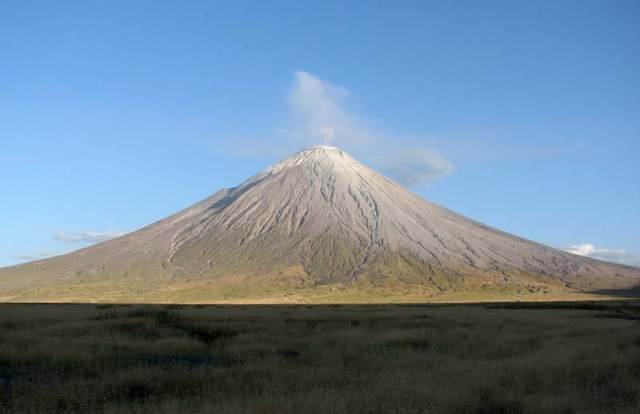
Due to its unusual composition, the lava of this volcano is able to break through at rather low temperatures: 500-600 degrees Celsius, and it looks black, not red.
During the eruption, ash and carbonate come out. The latter, when in contact with moisture in the air, becomes sodium carbonate, which looks like snow from afar, although it is actually whitish ash.
2. Pumice (non-sinking volcanic stone)
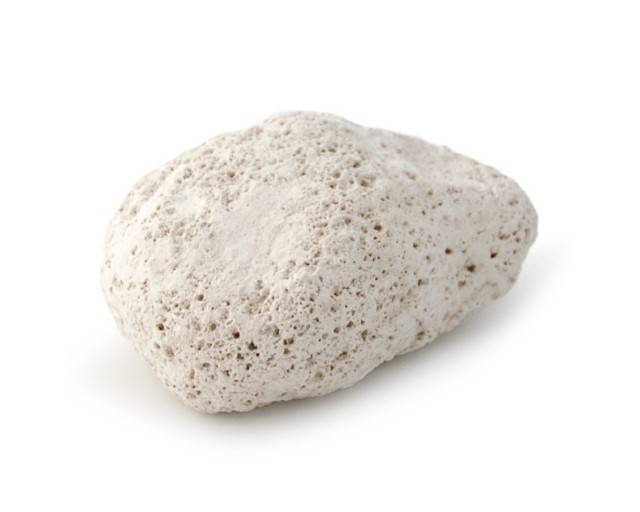
Pumice is the only stone that doesn't sink in water. In fact, pumice is a porous volcanic glass that was formed due to hot gases that are released during the rapid solidification of acidic and medium lavas.
1. Beauty from chaos (ash and volcanic gases)
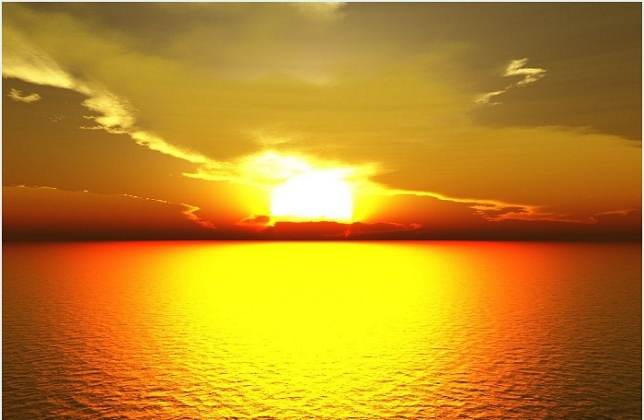
The ash and gases released by volcanic eruptions can color sunsets with amazing colors, as this mixture is an additional barrier that the sun's rays must pass through to get there to our eyes.