
 Unbelievable facts
Perhaps many would agree that one of the most frightening things about flying by plane is not having control over your destiny in case something goes wrong.
When a plane enters a turbulence zone, it is the job of flight attendants to help keep everyone calm. Driving a plane in danger is quite a difficult task, and it will be even more difficult for a pilot if there are several dozen frightened people on board.
However, sometimes peace of mind can't help you in the event of an unforeseen situation in the air.
Read also: Exposing myths about airplanes that people still believe
If you suffer from a fear of flying, we advise you not to read this.
Flying by plane
1. In the event of a disaster, depending on the speed of the impact, your body, which is 70 percent water, is likely to explode.
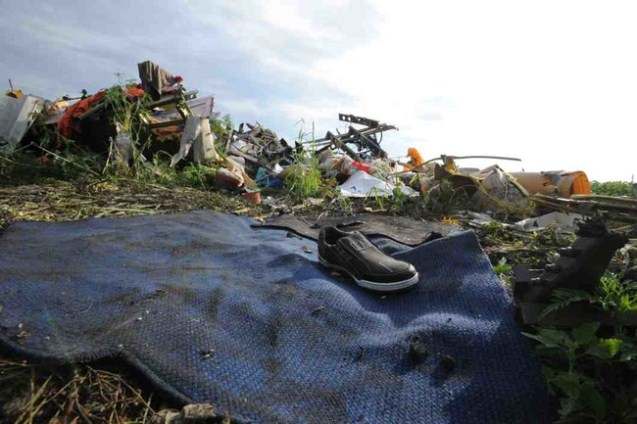
And if it doesn't fully explode, the plane explosion will take care of it.
2. Airplane seat belts must have shoulder straps. During a low-speed crash, a shoulder strap can save lives, leaving only minor bruises on the victim's chest.
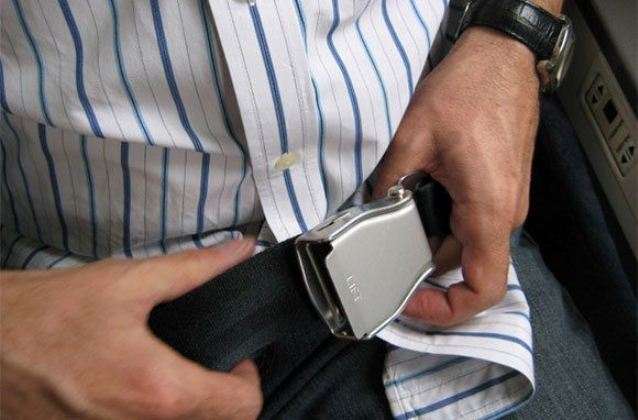
Sure, shoulder straps aren't as comfortable, but death is even more uncomfortable.
3. Without a shoulder strap, a push from an impact can cause your head to break your neck. There were even cases when belt belts tore the victim in two.

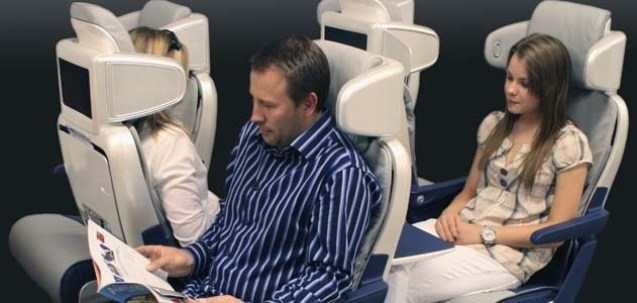
4. It would be better if the seats were located the other way around. Surgeons say that the back absorbs more impact than the chest. Tail-to-face seats installed on military transport planes saved ten times as many lives.
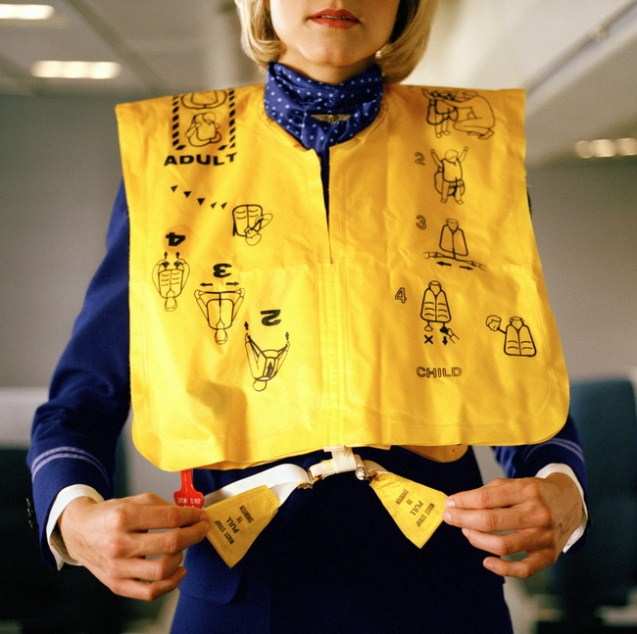
5. Life jackets are primarily designed to allow rescue teams to locate bodies in the event of a disaster.
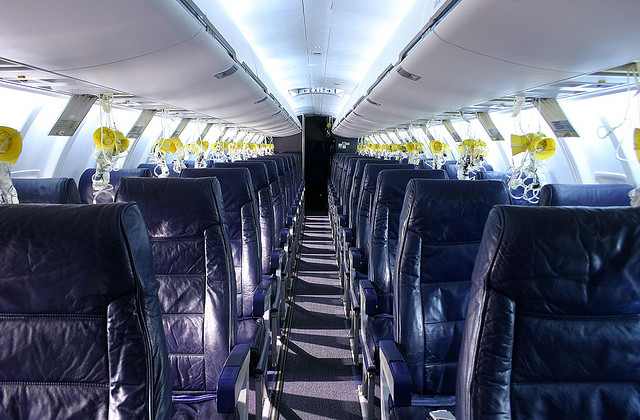
6. Oxygen masks do not help much when the plane descends quickly. They are designed for cases where the aircraft's altitude exceeds 4,270 meters and cabin pressure is lost. They can fall out in the event of severe turbulence, but simply because the panels are loose.
7. Each part of the aircraft is produced according to the offer at the lowest price to reduce costs.
Aircraft crash
8. During the descent, high-speed winds can tear clothes off disaster victims.
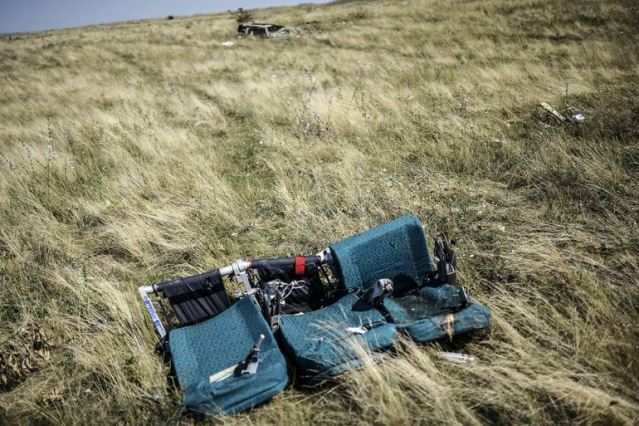
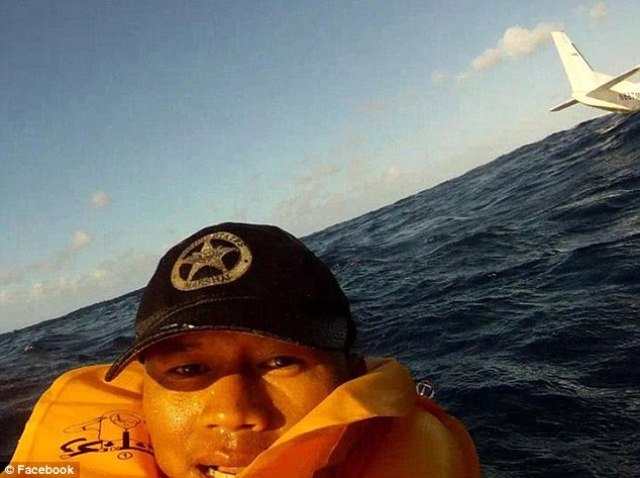
9. If the plane falls into the water and you survive, chances are high that you will not survive the hypothermia that can occur in a matter of seconds in cold water. If you immerse your head under water, it can affect brain function.
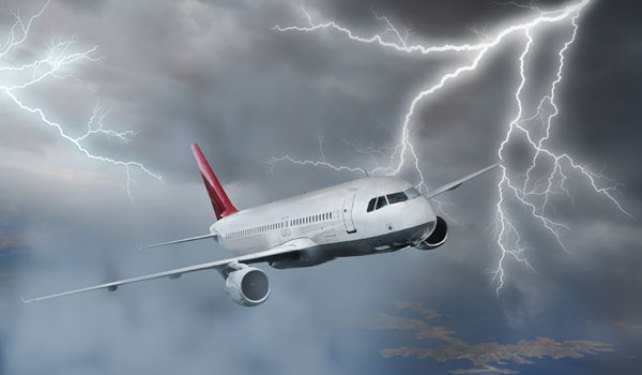
10. Scientists say that due to the increase in the level of carbon dioxide in the ozone layer, turbulence during flight also increases. By the middle of the century, the situation could worsen by 40 per cent.
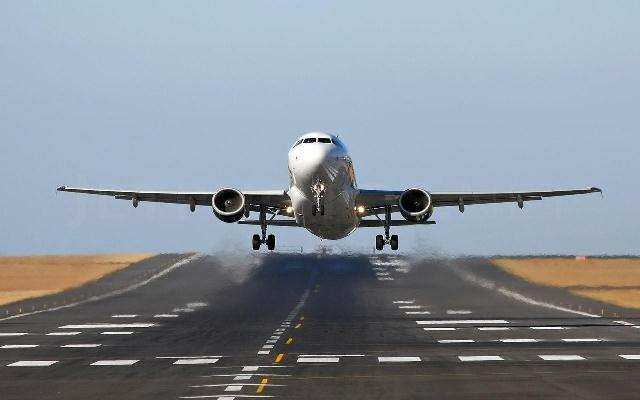
11. 80 percent of all plane crashes occur either during takeoff or landing.
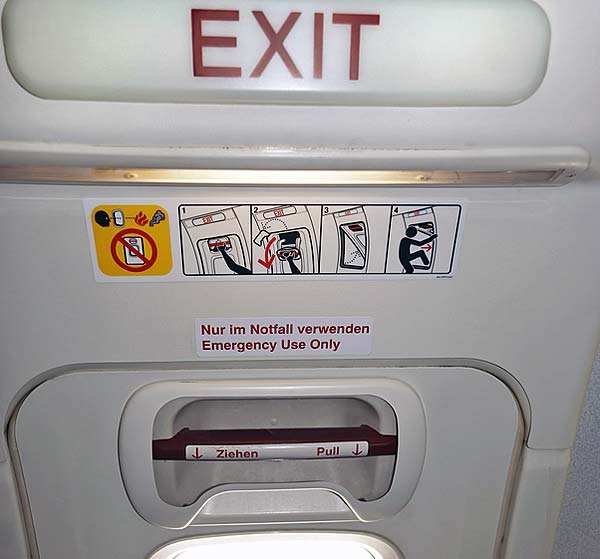
12. In the event of a fire, you have about 90 seconds to get off the plane before it burns down. If you sit 5 rows farther from the exit, you are statistically more likely to not survive.
13. About 43-54 percent of pilots admitted to falling asleep while in front of the controls. About a third of them woke up to see that their assistant also fell asleep.

14. During a high speed descent, rapid decompression will occur in the cockpit, causing most passengers to lose consciousness before the crash.
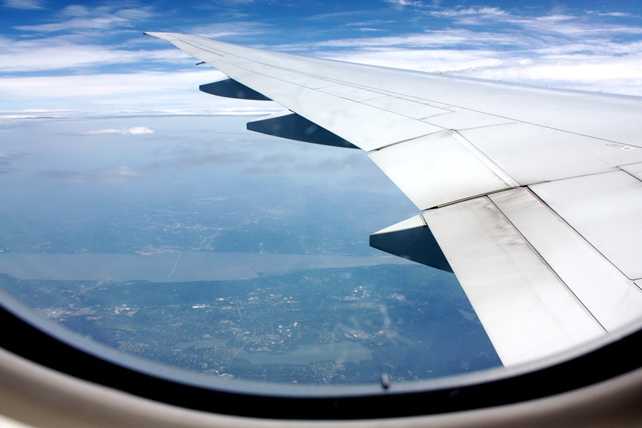
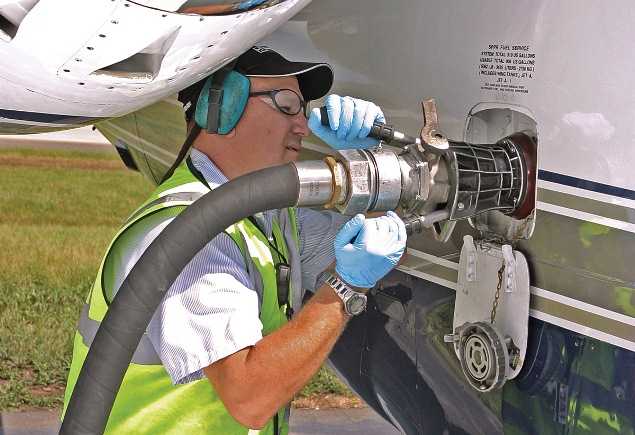
15. Sometimes airlines reduce the cost of air tickets, saving on fuel, which causes the plane to take off with less fuel than recommended.
If these facts scare you, remember that most disasters don't happen that often, and the odds of becoming a disaster are 1 in 11 million according to some sources and 1 in 60 million according to other sources.