
 Incredible facts
When you think about air pollution, you probably don't even have pictures of your home or office. But because we spend so much time indoors, especially when the weather is cold, maintaining the air quality in your home, car, and workplace is very important for your health. And, unfortunately, we bring most of these pollutants into the premises ourselves.
Research shows that indoor air pollution (which is often due to dust mites and mold) can sometimes be as much as 10 times greater than outdoor air pollution.
Read also: 10 things in the house that make you sick
In this article, you'll find 10 simple and effective ways to improve the air quality in your home so you can be safe from harmful pollution.
Outdoor walks
Avoid being outdoors in the morning

Not only do many people who are prone to this allergy begin in the morning, many trees begin to release pollen during daylight, and ragweed pollen, for example, is most active at noon — so it can stick to your clothes and get into the house. So it is best to postpone outdoor training until the evening.
Change clothes and take a shower right after you get home
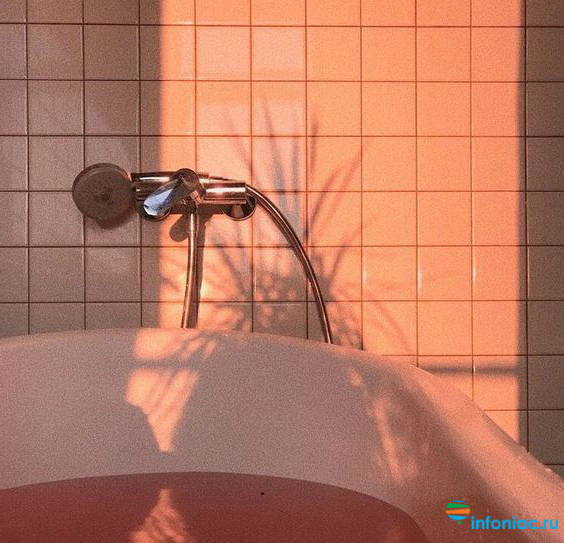
Even if you don't feel dirty, your clothes are likely to have a lot of pollen that irritates your nose and eyes.
Don't even have time for a quick shower? At the very least, wash your hands thoroughly to remove any pollen residue, especially before coming into contact with food or face. You bring the outside world with you every time you enter your home. Particles like pollen and ragweed easily accumulate on your clothes. A great way to improve indoor air is to change clothes and take a shower when you get home. Wash your hands and don't touch your face or cook food until you're sure your hands are clean.
Water indoor plants less

Excess water contributes to the growth of mold, and any water that even accidentally leaks to the floor also contributes to the spread of its spores in the air and its pollution.
Plants need water. But mold spares no one. So water your plants sparingly and turn a potentially dangerous pot (your homemade Petri dish) into something that won't cause you problems. Spread pebbles on the soil surface of potted plants to prevent mold spores from entering the air and contaminating it. You can also buy cleaners so that your apartment is always clean from mold.
Wash shower curtains
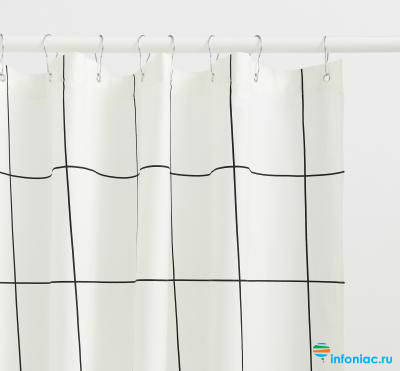
Mold builds up in your bathroom far more than anywhere else, given the amount of humidity there. Use bleach to wash your shower curtains every month.
Consider changing the bathroom doors — they should have holes at the bottom to allow air to circulate even when the doors are closed; or buy a small fan, periodically turn it on to freshen the air.
Make sure that the vent is not clogged with dust or waste, clean it if necessary (you can use the help of a professional or search the Internet for instructions).
Try to keep the house temperature above 20°C
Too low room temperatures contribute to the growth of mold — the humid, cold air characteristic of the winter season creates ideal conditions for the spread of this scourge of housewives.
Heat, on the other hand, dries the air, preventing the growth of harmful bacteria and pollution. The most suitable humidity temperature in the house is about 50%.
Throw away what you don't need
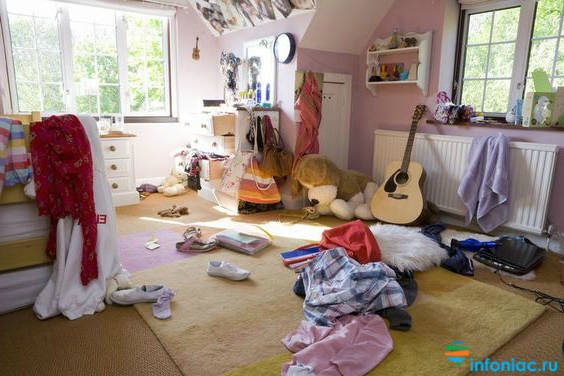
Agree, every house has old grandmother's slippers and mom's worn robe in the closet – get rid of more things you don't need more often.
Pick up candy wrappers from the floor, empty the trash can, give clothes to the orphanage — remove garbage from your apartment and it will be harder for bacteria to develop in it. After general cleaning, vacuum the room and get into the habit of it – this way less dust will accumulate in your home.
Leave your shoes at the door
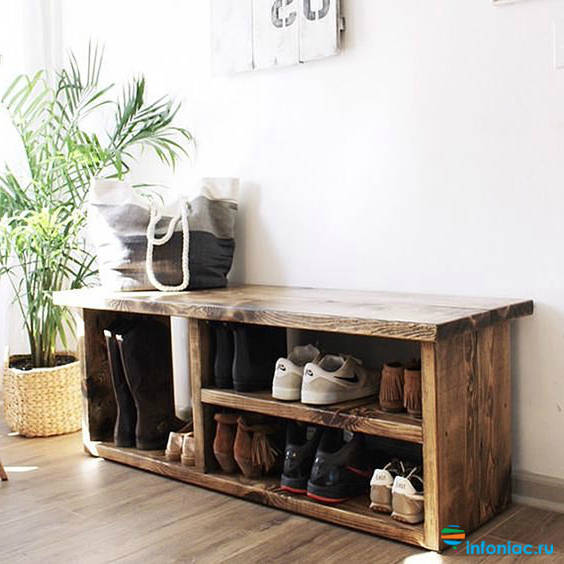
Dirt isn't the only thing your shoes bring into the house, and so are your clothes, as we discussed in the paragraph above. When you walk around the house in outdoor shoes, you spread dust, mold spores and pollen around the house, kindly providing them with a place to breed.
Place a shoe rack by the door and take off your shoes as soon as you enter the house to prevent bacteria from spreading through the rooms.
Don't smoke in the house

It would seem that cigarette smoke is one of the most frequent and obvious sources of pollution, but not all residents of big cities are aware of the damage caused to them and their premises even by passive smoking.
Residual gas and cigarette smoke particles deposited on household items pose a particular health hazard, especially in rooms where fabrics and carpets are abundant. The risks are particularly high for children, who are more likely to be on the floor playing, and for people with chronic heart and lung diseases.
Read also: 10 signs you have a weak heart
Avoid cigarette smoke in your apartment — kick all smokers out into the street, don't let smoke in.
Bathe your pets more often
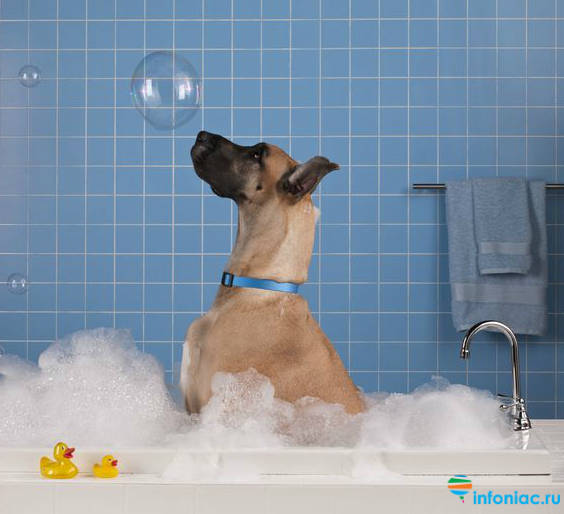
Our animals are our smaller friends. But they can be our enemies, especially if you or someone in your family is allergic. Try to keep your pet's coat clean — wash them, comb dust and dirt out of their fur.
Dry your dogs' paws after outdoor activities, wipe them with a damp towel, or better yet, bathe them in the shower more often: water helps wash allergens off the skin and prevent them distribution in the air.
Use scented candles less often

Scented candles, like other products designed to improve the aroma in your apartment, can actually make things worse.
The chemicals contained in such products pollute indoor air and provide the ground for harmful bacteria to spread. Try to avoid using chemical fragrances and candles.
The effect of air on health
According to a 2009 study by enthusiastic students in India, indoor air pollution has a huge impact on our health. Here is a list of diseases or symptoms that are more pronounced when the air is polluted in the room where the studied individual lives:
Asthma
headache
Eye mucosal irritation
Coughing
Chronic obstructive pulmonary disease
Heart diseases
In addition to these obvious signs, there are other long-term effects on our health that we can only speculate about so far: for example, an increase in the likelihood of lung cancer.

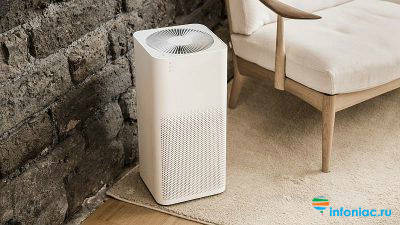
The development of these and other diseases can be prevented by just taking care of the air in your apartment – by doing spring cleaning, ventilating the room. However, simple ventilation is not always a good solution — we recommend that you buy air filters in your home and check their performance regularly.

Take care of your health by following these simple rules!