
 Health
Most of us tend to underestimate the risk of a potential stroke.
No one can determine exactly when an attack may occur, but there are some prerequisites that predict the likelihood of a stroke.
Your brain could be at risk…
Also read: 7 smart activities that will increase your IQ
A stroke is sometimes referred to as a “brain attack” because it usually comes as suddenly and terribly as a heart attack.
How does a stroke occur?

In the most common forms of stroke, the following occurs: vascular blockage blocks the flow in blood vessels.
Deposits on the walls of blood vessels often begin to prevent blood from flowing. As a result, the resulting clots can form in the most difficult places, thereby worsening the situation.
In addition, clots can also form anywhere else, break out and migrate through the circulatory system towards the brain, where they can cause a stroke.
When a blood vessel is blocked by a blood clot, an ischemic stroke occurs, and when the vessel ruptures and blood enters the brain, we are talking about a hemorrhagic stroke.

In other words, impaired cerebral circulation leads to damage and death of brain neurons.
Knowing the underlying cardiovascular factors that put you at risk of stroke can help you avoid the potential risk of stroke or even death.
Here are the main signs that your health is likely to be at serious risk of a possible stroke.
Stroke risk
1. You're a man

Stroke risk: There is scientific evidence that men are more at risk of stroke.
According to statistics from the American Heart Association, men are at risk of stroke before the age of 75, while for women this age is pushed back to 85 years.
“However, another thing is also true: there is a misconception that stroke is a disease of old people, “says Larry B. Goldstein, MD, chair of the neurology department of the Institute of Neurology at the University of Kentucky.

But according to scientists, there is also good news. For both men and women, 9 out of 10 strokes can be prevented by minimizing risk factors. This is what a study conducted in July 2016 (involving 26,000 people) says.
So, with some knowledge, you reduce the risk of a potential stroke. Focus on factors you can control.
2. Heredity
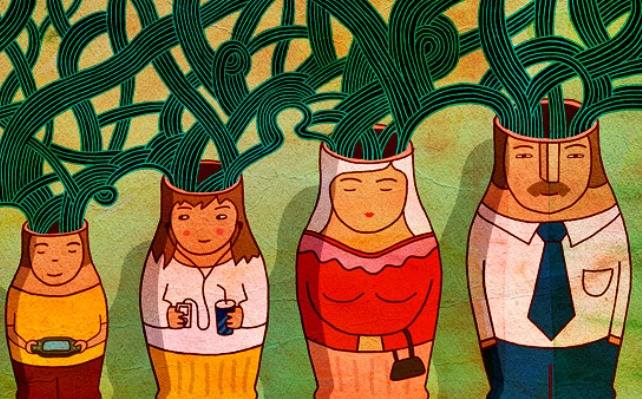
Stroke risk: If your father, mother, brother or sister has already had a stroke, your risk of having a stroke increases by a third.
Unfortunately, statistics say so.
In some cases, the risk lies in a genetic disorder that can lead to a stroke. One example is sickle cell disease.
Your ethnicity also plays a role in the possible development of a stroke.
For example, African-Americans are much more likely to have a stroke than Caucasians, in part because they have a higher risk of heart disease, which contributes to stroke.
Of course you can't change your genes. But you can break some bad habits and start living a healthy lifestyle.
The harm of smoking
3. Smoking

Risk of stroke: smoking damages cells and also contributes to blood thickening and vasoconstriction. As a result, clots form.
In addition, smoking also increases blood pressure, lowers HDL cholesterol (called “good” cholesterol), and increases triglycerides — all of which can bring about a stroke, and make his risk more likely.
Reduce the potential risk of stroke: try to avoid tobacco smoke. Remember that both active and passive smoking lead to a serious risk of illness.

According to a study published in the “American Journal of Preventive Medicine,” even non-smokers increase their risk of stroke by 30 percent if they are so called passive smokers.
If you find it difficult to quit smoking for yourself, do it for the people around you, especially your children, advises Dr. Goldstein.
Read also: Psychological test for the subconscious mind: what do you see in this picture?
4. Heavy alcoholic drinks

Risk of stroke: Alcohol abuse leads to unhealthy changes in blood pressure, in the worst cases, it can even lead to blood clots.
In fact, alcohol may increase the risk of stroke even more than other factors associated with cardiovascular risk in middle-aged people.
According to scientific studies, drinkers are 34 percent more likely to have a stroke than non-drinkers.
According to experts, people aged 50 to 60 who drink too much are likely to have a stroke five years earlier. By the way, the period from 50 to 60 years is considered the most critical age.

Reduce the risk of stroke: if possible, stop drinking alcohol altogether or reduce them to the maximum minimum.
For men, the allowable rate of alcohol is slightly higher than for women. However, both are recommended to reduce the amount of alcohol they consume.
“Don't think that avoiding alcohol for a week means you can relax and get a good drink on Friday night,” warns Dr. Goldstein. “If you're even rare If you abuse alcohol, you have a much higher risk of developing a stroke in the next 12 hours.”
5. Overweight
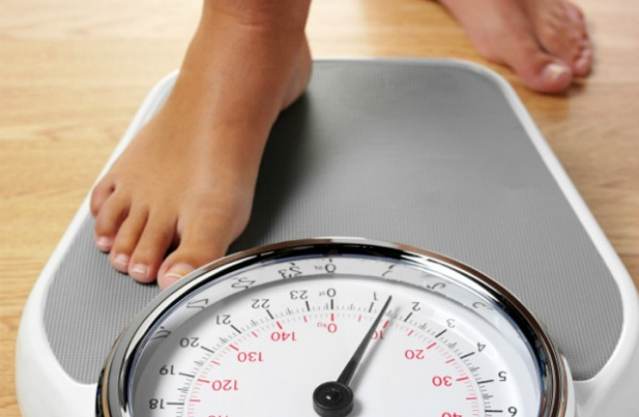
A person who is overweight also has a risk of stroke.
Experts say that if a patient has a body mass index (BMI) of 25 or more, the risk of cardiovascular diseases automatically increases.
Risk factors also include:
-High blood pressure;
-Insulin resistance;
-High triglyceride levels.

The risks associated with weight usually include the above factors, which together can lead to a stroke.
These risks can be reduced by getting rid of extra pounds. Losing even 5 kilograms of weight can significantly reduce risk factors for stroke, and you automatically help lower blood pressure.
Eating more fruits and vegetables is a key step towards stabilizing your weight and thus improving your own health.
The Mediterranean diet is considered one of the best. It includes a huge number of healthy products such as nuts, olive oil and grains. These products not only help to lose weight, but also reduce the risk of stroke.
Read also: How to get your heart up and running for a long time
6. Lack of exercise

Stroke risk: A sedentary lifestyle increases the risk of stroke and develops many factors that contribute to this.
It is known that people who lead a sedentary lifestyle increase the risk of stroke by 20-25 percent. But active and mobile people, on the contrary, are less at risk.
This is evidenced by numerous studies conducted in 2015.
Reduce your risk of stroke by doing at least 30 minutes of exercise in your daily schedule. Brisk walking or cycling at least five times a week will be helpful.
If you can't include a daily half-hour workout in your schedule, try to devote at least 2 hours a week to various short workouts.
7. High blood pressure
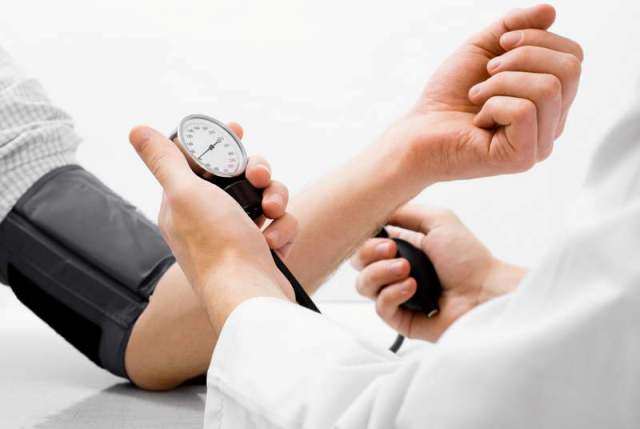
The risk of stroke is directly related to high blood pressure.
High blood pressure inside blood vessels can damage them. These injuries, in turn, make artery walls thick and stiff, which can help block blood flow and form clots that lead to ischemic stroke.
High blood pressure can also cause arterial walls to weaken and cause ruptures and bleeding, all of which are characteristic signs of a hemorrhagic stroke.
Reduce the risks associated with a possible stroke: high blood pressure has no symptoms, so you won't know about it until you just measure it.
Try to measure it at least once a year.

In addition, doctors recommend introducing preventive measures such as a diet with lots of fruits and vegetables, as well as reducing salt intake to a minimum. This diet helps lower blood pressure levels.
If we are talking about more advanced cases, then the doctor will prescribe the necessary additional medications.
Be sure to see a specialist and discuss medications and symptoms with your healthcare provider. If there are side effects after the medication, also tell your doctor about them.
The prerequisites for a stroke
8. Weak heart

The risk of stroke is to some extent related to a weak heart. Tachyarrhythmia (called atrial fibrillation) can lead to blood clots that travel to the brain and cause a stroke.
If high blood pressure cannot be controlled or treated in any way, it can lead to atrial fibrillation, which in turn increases the risk of stroke.
9. Diabetes
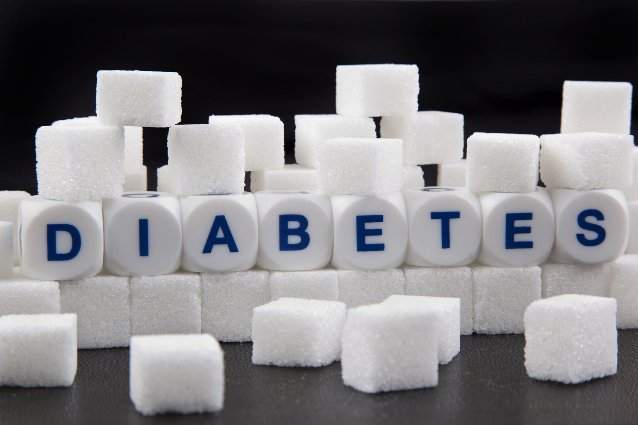
Stroke risk: Having diabetes means high blood sugar levels. And high blood sugar levels, in turn, damage blood vessels throughout the body, causing numerous complications.
In particular, the risk of stroke increases.
In fact, people with diabetes are 1.5 times more likely to have a stroke than people who do not have the disease.
Minimize this risk and take control of your sugar levels. Take into account factors that reduce the risk of stroke. For example, eating healthy food and being physically active will be great helpers in your desire to improve your quality of life.
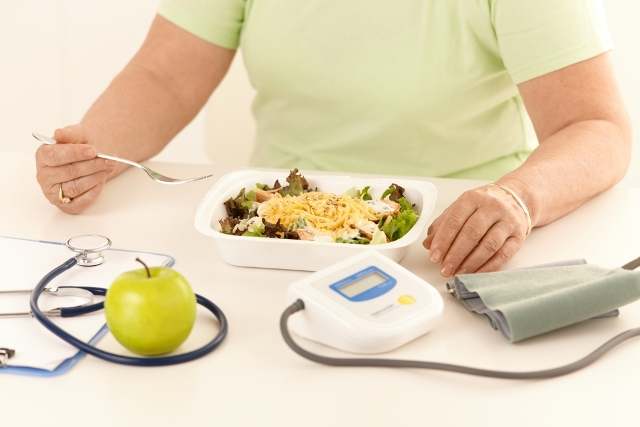
Experts say that timely treatment of diabetes reduces the risk of stroke.
But one of the most recent studies on this issue has found some benefit in terms of stroke risk in people who strictly regulate sugar levels through a healthy lifestyle life and various drugs.
The findings, published in a scientific journal, showed that those who closely monitored their sugar levels over a 10-year period did not always live longer than those with levels blood sugar was less stable, but their risk of cardiovascular diseases, including heart attacks, was reduced.
10. High cholesterol levels
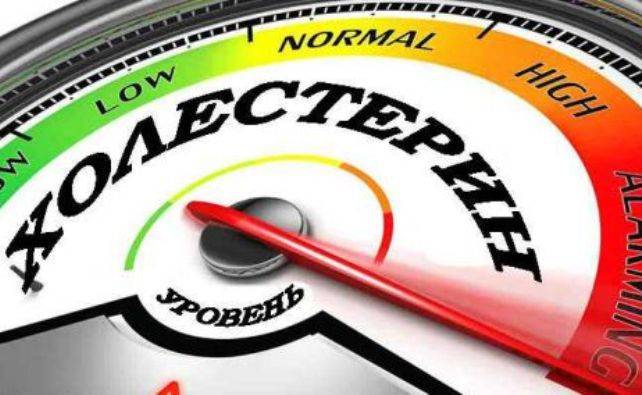
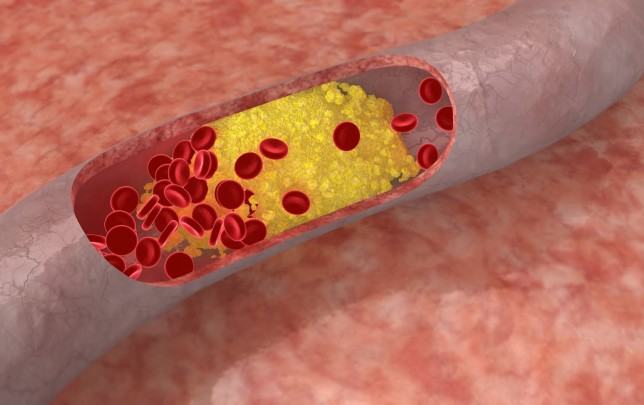
Excess cholesterol is a fatty, waxy substance that passes through a person's blood and accumulates on artery walls, forming deposits that doctors call plaques. Unfortunately, all of this increases the risk of stroke.
Plaques constrict blood vessels and create obstacles to blood flow, however, worse, they can also burst and send blood clots through the brain.
The so-called bad cholesterol makes up most of the cholesterol in our body, and it is the one that actively contributes to the development of those same plaques.
HDL cholesterol (good cholesterol) collects all bad cholesterol and removes it from the body, so it's good to have higher HDL levels.
The recommendation will be the same: monitor your cholesterol level, check it at least every five years if you do not have other cardiovascular diseases. If so, this should be done much more often.
As with high blood pressure, you can't feel high cholesterol until you check it.
Through a healthy diet and physical activity, you can also increase your good cholesterol levels.