
 Incredible facts

Poisons have been used from ancient times to the present as weapons, antidotes, and even medicines.
In fact, poisons are all around us, in drinking water, in household items and even in our blood.
The word “poison” is used to describe any substance that can cause a dangerous disorder in the body.
Even in small amounts, the poison can lead to poisoning and death.
Here are a few examples of some of the most insidious poisons that can be fatal to humans.
1. Botulinum toxin

© Mladen Zivkovic/Shutterstock
Many poisons can be fatal in small doses, so it is quite difficult to isolate the most dangerous one. However, many experts agree that botulinum toxin, which is used in Botox injections to smooth wrinkles, is the strongest.
Botulism is a serious condition that causes paralysis caused by botulinum toxin produced by the bacterium Clostridium botulinum. This poison causes damage to the nervous system, respiratory arrest and death in terrible agony.
Symptoms may include nausea, vomiting, double vision, facial muscle weakness, speech defects, difficulty swallowing, and others. The bacterium can enter the body with food (usually poorly preserved foods) and through open wounds.
2. Ricin poison

© wasanajai/Shutterstock
Ricin is a natural poison. A few grains are enough to kill an adult. Ricin kills cells in the human body, preventing the production of the proteins it needs, which results in organ failure. A person can be poisoned by ricin through inhalation or after ingestion.
When inhaled, symptoms of poisoning usually appear 8 hours after exposure, and include difficulty breathing, fever, cough, nausea, sweating, and chest tightness.
When swallowed, symptoms appear in less than 6 hours and include nausea and diarrhea (possibly bleeding), low blood pressure, hallucinations, and seizures. Death can occur in 36-72 hours.
3. Sarin gas
© Stephen
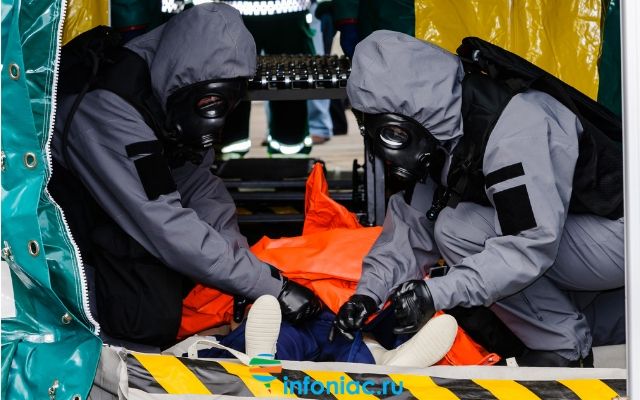
Barnes/Shutterstock Sarin is one of the most dangerous and lethal nerve gases, hundreds of times more toxic than cyanide. Sarin was originally produced as a pesticide, but this clear, odourless gas soon became a powerful chemical weapon.
A person can become poisoned by sarin when inhaling or exposing the gas to the eyes and skin. Initially, symptoms such as runny nose and chest tightness may appear, breathing becomes difficult and nausea occurs.
Then the person loses control over all the functions of his body and falls into a coma, convulsions and spasms occur until suffocation occurs.
4. Tetrodotoxin

© HikoPhotography/Shutterstock
This deadly poison is found in the organs of pufferfish, from which they are prepared the famous Japanese delicacy “fugu”. Tetrodotoxin persists in the skin, liver, intestines, and other organs even after the fish has been cooked.
This toxin causes paralysis, seizures, mental disorder, and other symptoms. Death occurs within 6 hours after the poison is ingested.
It is known that every year several people die from painful death due to tetrodotoxin poisoning after consuming fugu.
5. Potassium cyanide
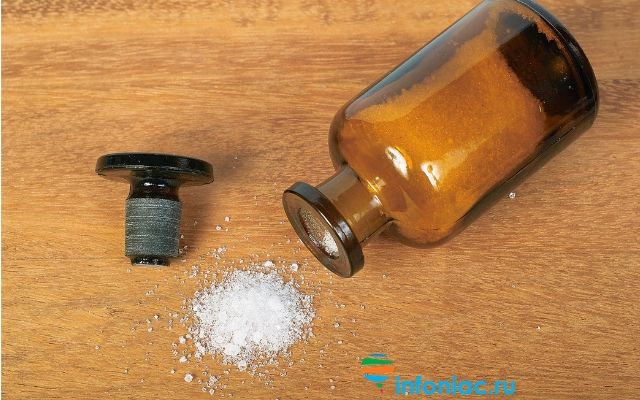
© SPBphoto/Shutterstock Potassium
cyanide is one of the fastest deadly poisons known to mankind. It can be in the form of crystals and a colorless gas with the smell of “bitter almond”. Cyanide can be found in some foods and plants. It is found in cigarettes and is used to produce plastics, photographs, extract gold from ore, and kill unwanted insects.
Cyanide was used in ancient times, and in the modern world it was a method of capital punishment. Poisoning can occur by inhalation, ingestion and even touch, causing symptoms such as seizures, respiratory failure and, in severe cases, death, which can occur in a few minutes minutes. It kills by binding to iron in blood cells, depriving them of their ability to carry oxygen.
6. Mercury and mercury poisoning

© Graphic Compressor/Shutterstock
There are three forms of mercury that can be potentially dangerous: elementary, inorganic and organic. Elemental mercury, which is found in mercury thermometers, old seals, and fluorescent lamps, is non-toxic when in contact, but can be fatal if inhaled.
Inhalation of mercury vapor (metal quickly turns into gas at room temperature) affects the lungs and brain, shutting down the central nervous system.
Inorganic mercury, which is used to make batteries, can be fatal when ingested, cause kidney damage, and other symptoms. The organic mercury found in fish and seafood is usually dangerous when exposed for a long time. Symptoms of poisoning may include memory loss, blindness, seizures, and others.
What should I do if the mercury thermometer breaks?
7. Strychnine and strychnine poisoning
© wasanajai/Shutterstock
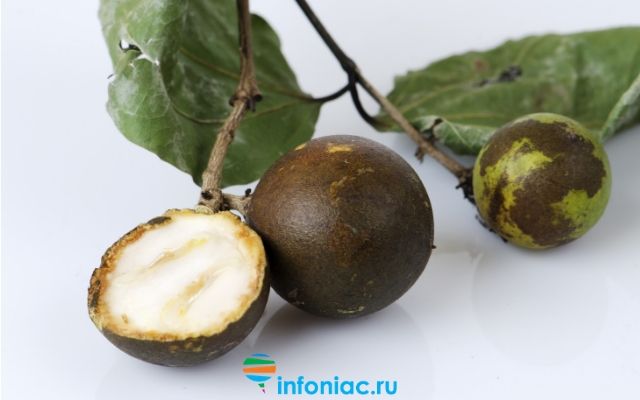
Strychnine is a white, bitter crystalline powder without odor that can be ingested, inhaled, in solution and when administered intravenously.
The degree of strychnine poisoning depends on the amount and route of entry into the body, but a small amount of this poison is enough to cause a serious condition. Symptoms of poisoning include muscle spasms, respiratory failure, and even brain death 30 minutes after exposure.
8. Arsenic and arsenic poisoning
© Anastasia Bulanova/Shutterstock
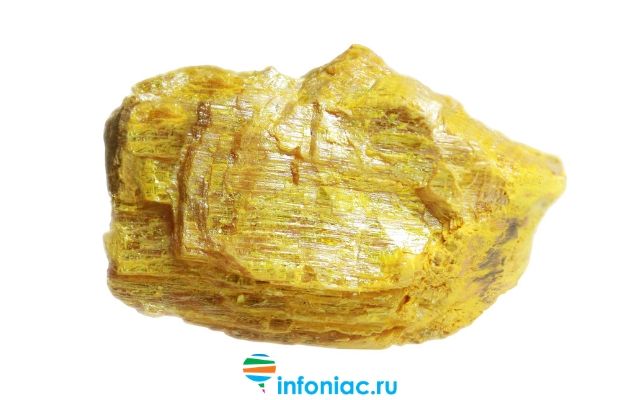
Arsenic, which is the 33rd element in the periodic table, has long been was synonymous with poison at the time. It was often used as a favorite poison in political assassinations, as arsenic poisoning resembled cholera symptoms.
Arsenic is considered a heavy metal whose properties are similar to those of lead and mercury. In high concentrations, it can lead to symptoms of poisoning such as abdominal pain, seizures, coma, and death. In small amounts, it can contribute to a range of diseases, including cancer, heart disease, and diabetes.
9. Curare poison

© PLANET EARTH/Shutterstock
Curare is a mixture of various South American plants that have been used for poisonous arrows. Curare was used for medical purposes in a highly dissolved form. The main poison is an alkaloid that causes paralysis and death, as well as strychnine and hemlock. However, after respiratory paralysis occurs, the heart may continue to beat.
Death from curare is slow and painful, as the victim remains conscious but unable to move or speak. However, if artificial respiration is used before the poison settles, a person can be saved. Amazon tribes used curare to hunt animals, but poisoned animal meat was not dangerous for those who ate it.
10. Batrachotoxin

© Tim Herbert/Shutterstock
Fortunately, the chances of meeting this poison are very low. Batrachotoxin, which is found in the skin of tiny dart frogs, is one of the most powerful neurotoxins in the world.
Frogs themselves don't produce poison, it accumulates from the foods they consume, mostly small bugs. The most dangerous content of the poison was found in a species of terrible leaf climber frog living in Colombia.
One representative contains enough batrachotoxin to kill two dozen people or several elephants. The poison affects the nerves, especially around the heart, makes breathing difficult and quickly leads to death.