 Ecology
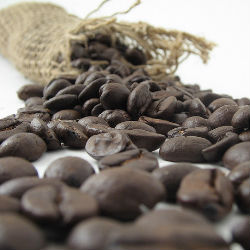
Can't live without coffee and prefer Arabica to other types of this invigorating drink? Then you are not very lucky, because, according to British researchers, it is the coffee tree that gives us Arabica beans (Coffea arabica L.) that is in danger of extinction from the face of our planet due to climate change. But Arabica accounts for about 70 percent of the world's coffee market!
Global climate change will cause Arabica to disappear by the end of the century
Due to the constantly increasing levels of tides and the steady increase in temperatures all over the planet, coffee harvests harvested in 99.7 percent of the regions may be lost, as these places will become unsuitable for growing coffee trees. However, despite such sad forecasts, there will still be enough coffee for our age, although, according to researchers, by about 2080, there will be no plantation in the world where it will be possible to harvest Arabica.
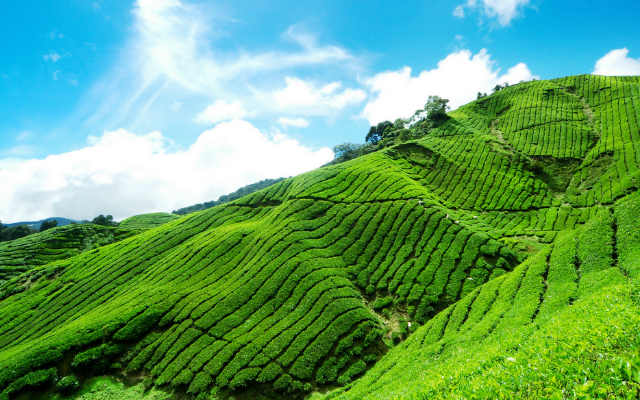
As you know, the most common regions for growing wild Arabica are mountain plantations in Ethiopia and South Sudan. Despite the fact that the vast majority of coffee sold around the world is reproduced by farmers in greenhouses, the original, so to speak, wild coffee, is very important for coffee shops plantations produced cleaner grains that are naturally able to resist pests and various diseases.
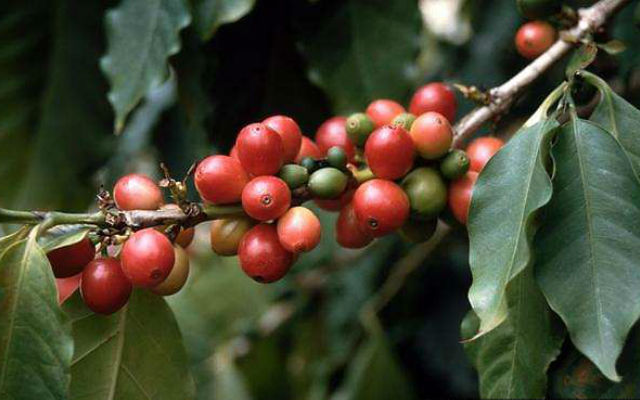
Coffee farmers have repeatedly suffered serious damage due to climate change on the planet over the past 50 years. They were forced to move their plantations 45 meters higher every ten years to resist rising temperatures and their consequences. And although there are other types of coffee beans, such as the stronger robusta variety (Coffea canephora Pierre ex Froehn), most of the coffee we freely buy in supermarkets is made precisely from Arabica beans.