
 Ecology
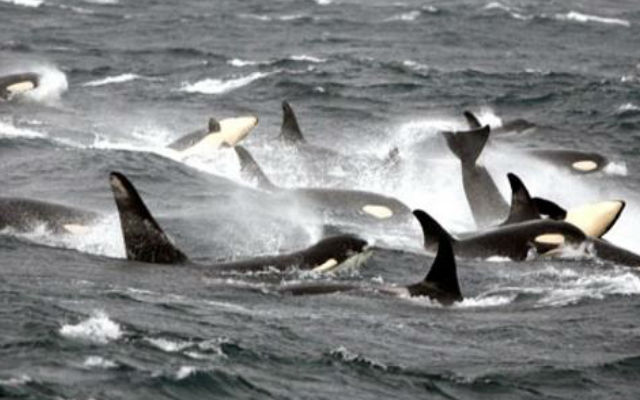
An extraordinary phenomenon could be observed last month by those who looked from the air at Monterey Bay along the coast of California. A record number of different marine mammals gathered in the waters of the bay, among which a hundred extremely rare marine animals — blue whales — looked most impressive. In fact, this Pacific Bay contains one percent of the total population of bluewals (as this species of whale is also called), of which no more than ten thousand live on the planet.
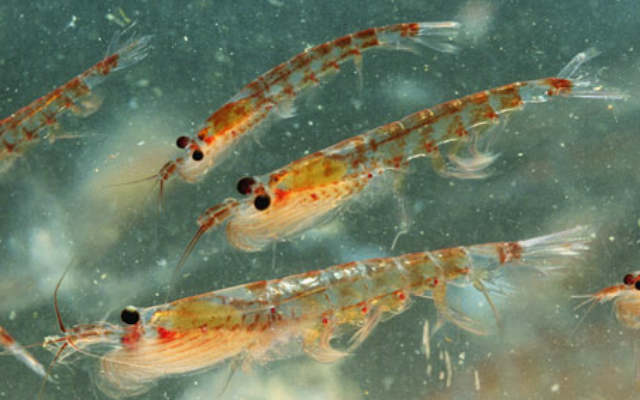
What is the reason for such a remarkable invasion of marine life in the waters of the bay? The reason was small marine crustaceans, which bred in large numbers in Monterey Bay. “The conditions are very favorable,” said Ellis Shulman-Yaniger of the American Whale Conservation Society, Los Angeles, referring to the conditions for crustaceans to appear in this zone. The rise of water from the depths of the ocean to its upper layers (upwelling) led to the growth of krill (actually a sea crustacean) and plankton, and a strong wind brought all this wealth to the shore.
According to Barbara Block from Stanford University in California, Monterey has become one of the best places in the entire Pacific Ocean to eat so many animals at once. During this period, Block and her colleagues tagged 4,300 animals from 23 species of marine mammals, fish, birds and turtles. Scientists found species from all parts of the food chain in the bay that flocked to Monterey's waters like the world's biggest dinner party.
Block said that the goal of their work is to create a protected area off the coast of California to preserve the pristine ocean. “Wouldn't it be great if we could create a World Heritage Site around this California hot spot where so many huge marine predators have gathered? — Blok asks. “We have an area that is comparable in importance to the Great Barrier Reef and other places, such as the Galapagos Islands.”
Blok believes that people do not preserve this part of our planet well enough, which can be compared to the world's famous reserves. The difficulty, according to Blok, lies in the fact that society has too little information about marine predators. “You can't keep what you can't see. I am fully aware that without society wanting to preserve the organisms living in these waters, no one will do anything to save this place,” the scientist believes.