
 Health
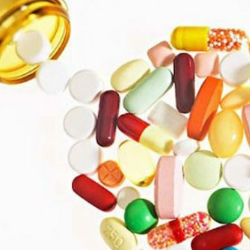
In the struggle for a strong and impenetrable immune system for various viruses and other pathogenic microorganisms, microelements such as vitamin A, zinc and iron will always come to the aid of humanity . The greatest positive effect from the consumption of these substances is observed in children. If we are talking about adults, then it makes sense to include so-called multivitamin and multimineral complexes in your diet. Despite the fact that these drugs have many opponents who insist on consuming exclusively natural products, such as vegetables, fruits, teas, and so on, many experts strongly recommend including these substances in your diet. This is especially true for certain age groups and categories of people suffering from various eating disorders, airborne diseases, diarrhea, and so on. Why is it so important to obtain micronutrients necessary for the immune system at any age?
MICROELEMENTS TO STRENGTHEN THE IMMUNITY OF THE CHILD'S BODY
Vitamin A
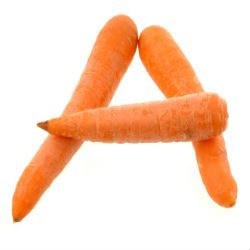 It has already been demonstrated more than once through numerous studies conducted around the world that vitamin A can affect the infant mortality rate by reducing it. In many disadvantaged countries, the mortality rate of children due to various diseases is extremely high. These include diseases such as measles, respiratory infections and diarrhea. By regularly taking appropriate doses of vitamin A, the mortality rate among children from these diseases can be reduced by an average of 23 per cent.
If we dwell in more detail on a disease such as diarrhea, this seemingly common phenomenon that does not pose a particular danger to a child in a developed country can be fatal for children in poor countries with low living standards. For example, a recent study in Tanzania found that children who are admitted to hospitals diagnosed with pneumonia are at risk of developing diarrhoea long after cures. This is primarily due to antibiotics, which are indispensable in the treatment of pneumonia. However, the level of diarrhea decreases by 44 percent if children's diet includes additional micronutrients containing vitamin A. However, dietary supplements that do not contain vitamin A do not have a similar effect. In addition, experts noted a significant strengthening of the immune system in general and a decrease in the level of infectious diseases, such as malaria, due to the consumption of vitamin A.
Iron
 Iron deficiency in the human body is one of the most common phenomena among poor countries. Children are most often affected by this deficiency. And this is no wonder, because iron plays an important role in strengthening the immune system, as it significantly reduces the susceptibility of the immune system to various infections and increases the number of enzymes, which have a positive effect on the child's health. However, despite the undeniable benefits of iron for the child's body, experts are currently ambiguous about the use of iron-based dietary supplements. The fact is that numerous trials have revealed a paradoxical increase in the number of cases of infectious diseases in some groups of children who took such supplements. This is despite the fact that other studies demonstrate the high safety and effectiveness of iron-based dietary supplements. According to many experts, one should refrain from including such supplements in the diet of those children who suffer from serious symptoms of protein and energy deficiency. Also, they should not be given to babies who were very underweight at birth, and to children with various bacterial infections. However, most scientists recognize that more research is needed to identify the benefits of taking iron-based dietary supplements, while classifying all possible health risks for children.
Zink
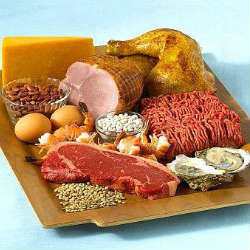 Zinc is another vital micronutrient that is actively involved in strengthening the child's immune system. At the same time, not only children in poor countries, but also in many poorly informed families suffer from zinc deficiency in the body. Some parents believe that a growing child's body needs nothing more than cereal porridge. Meanwhile, if the child's diet consists of only cereals, this can lead to zinc deficiency in the body, since these foods do not contain enough zinc. As you know, zinc plays an important role for a growing child's body, as it can significantly strengthen the immune system and contribute to the formation of necessary antibodies. In addition, numerous studies show that zinc-based dietary supplements can significantly reduce the severity of symptoms in the presence of disorders such as childhood diarrhea and anorexia. For the poorest countries, these supplements have helped reduce child mortality due to diarrhoea and malnutrition. Zinc is also an important component for the treatment of common colds, so it is extremely important to include foods containing this microelement in the diet of a sick child.
MICROELEMENTS TO STRENGTHEN THE IMMUNE SYSTEM OF AN ADULT BODY
 As a rule, an adult's body is susceptible to various infectious diseases (including autoimmune diseases) if its functionality decreases of the immune system. For a long time, researchers have carried out numerous experimental developments of multivitamin and multimineral complexes for the adult body. Thanks to this, it was possible to create fairly balanced drugs that can really significantly strengthen the immune system. Tests have shown that an adult gets sick, on average, 25 days less during the year if they take these micronutrients. In addition, such people significantly reduce the number of antibiotics they take, since their body is much less susceptible to various infectious diseases than the body of those people who deprive yourself with a sufficient amount of micronutrients. A very useful property of microelements is the positive effect that these substances have on the adult body when there is not enough vitaminized food products, that is, vegetables and fruits. However, in order to achieve the desired effect for strengthening the immune system, such multivitamin and multimineral complexes should be taken for at least six months.
Who needs micronutrients in the first place?
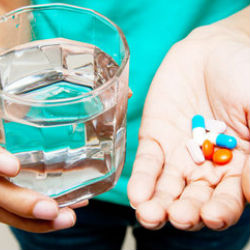 The practical benefit of numerous studies aimed at studying the effect of microelements on the human immune system is that they demonstrate the greatest the effect of these substances on the body of children and the elderly. This means that certain vitamin complexes must be present in the diet of these age groups. It is also important to include these micronutrients in your diet if you have been following a so-called mono-diet for a long period of time, as this is dangerous undersupply by the body of substances that are extremely important for the immune system.
If you, your child, or other members of your family often suffer from diarrhea, airborne infections, lack of appetite, fatigue, micronutrients may be included in the diet the only way to deal with these negative phenomena. However, experts warn in this case against excessive fanaticism towards various kinds of dietary supplements containing microelements important for the immune system. Many people think that if a vitamin complex containing iron, zinc and vitamin A is healthy, then it is possible to strengthen the immune system even faster and better by increasing the dose of these substances. In no case should we be misled about this issue! In fact, micronutrient abuse can be more dangerous for the immune system than their deficiency in the body. When taking vitamin complexes, it is necessary to strictly follow the attached instructions for use, paying special attention to whether these doses are for adults or children. Only in this case will your body receive an adequate amount of nutrients, and your immune system will receive the necessary support.