
 Unbelievable facts
Content:
Intelligence and giftedness
Areas where children can be gifted
8 intellectual areas
Differences between smart and gifted children
15 signs of gifted children
Why identify a gifted child?
Get to know your child!
To begin with, let's note one important point: true intelligence is notoriously difficult to measure. As a child, Thomas Edison gave his mother a note from his teacher that said her child was “crazy, stupid.”
Edison was anything but certainly not stupid. Moreover, he was a genuinely gifted child.
Read also: Indigo, crystal and rainbow children: who ARE YOU?
One of Albert Einstein's teachers described him as “mentally retarded, uncommunicative, and always in the clouds.” Perhaps the boy was dreaming about physics, or simply developing what became the greatest mind history has ever known.
The National Association of Gifted Children of the United States defines giftedness as “abilities that are significantly greater than normal for a child at a certain age.”
Gifted children

Children may be gifted in one or more areas:
– Artistic
– Creative
– Intelligent
– Leadership
– Academic (scientific)
“From the first day of kindergarten, gifted children already know almost 60% of all educational material.” – National Association of Gifted Children of the United States.
Eight intellectual areas
Harvard professor Dr. Howard Gartner's theory of multiple intelligences offers eight abilities that can be considered elements of human intelligence:
1. Body-kinesthetic: physical abilities, body dexterity, hand-eye coordination.
2. Intrapersonal: self-awareness or self-analysis of beliefs, emotions, goals, and motivations.
Read also: Unexpected foods that should not be given to young children
3. Interpersonal: Interacting with and understanding others (verbal and non-verbal communication).
4. Logical and mathematical: understanding abstract and complex ideas, deduction, finding patterns, working with numbers.

5. Musical-rhythmic: distinguishing between pitch, rhythm and tone, movement, creating, recognizing and playing music.
6. Naturalistic: attitude towards the physical environment, food cultivation, knowledge about nature (animals, plants, etc.).
7. Verbal-linguistic: understanding languages, speaking and writing skills, using rhythm, sound and tone in words.
8. Visual-spatial: cognition through images and pictures, spatial reasoning, visualization of objects.
Differences between smart and gifted
Characteristics of gifted children
Christopher Taibby, an expert in “gifted” education, explains four critical differences between gifted and intelligent children. This is the first step in understanding how to help them succeed.
1. Smart kids work hard to achieve their goals. Gifted children can get bored with this process.

A smart child is a teacher's dream. He's doing well and he's working hard. As a result, he succeeds in class. In fact, smart students will do well in a traditional academic setting, as they are motivated primarily by grades and recognition.
This is a big problem for gifted children: they are not happy with grades or recognition. Gifted children often already know the answers effortlessly, which can cause problems in the classroom. In search of inspiration and motivation, they often go to their inner worlds.
2. A smart child always knows the answer, a gifted child will always ask a question.

Smart kids are great at processing and storing information. This fact, combined with their work ethic, leads to outstanding academic achievement. Gifted students often don't need much time to read the material.
As a result, gifted children are forced to sit for several hours when they can simply “take the test” and take on the next task or subject.
Read also: 6 Benefits of children growing up with pets
Since the insatiable curiosity of a gifted child does not fade away, he delves into the topic and wants to know everything in detail. He will ask himself questions and use the Internet and books to find answers to them. And in the next lesson, a gifted child often knows much more than the material prepared by the teacher.
3. Smart kids love classrooms, gifted kids usually don't.
As already mentioned, the classroom environment is the perfect atmosphere for a successful child. This often does not apply to gifted children; they often feel uncomfortable.
Because of the opposite extremes — extreme curiosity and extreme boredom — gifted children usually become independent students. They take responsibility for their own education or ask their parents to do so. Self-study allows a gifted child to follow his inquisitive character. For them, studying effectively is a necessity.
4. Smart children are resourceful, gifted children are original
Think of the great innovators throughout history — da Vinci, Tesla, Graham Bell, Edison, Gates, Jobs. Initially, as children, these people were what we later recognize as “gifted”. Most notably, most of these guys weren't the best in class. And yes, they're all original.
Many gifted people have been living by bringing their ideas to life since childhood. The propensity for original thinking and innovation is another reason why alternative educational environments are often optimal for gifted children.
Development of gifted children

Are you wondering how to identify a gifted child? Here are 15 signs that will help you do this:
1. Little teachers
Gifted children often learn much faster than average. Language skills often seem more natural to them. An extensive vocabulary and a willingness to explain are two ways in which a child can demonstrate these skills.

2. They identify patterns
Identifying patterns, such as puzzles, signs, or even when mom gets home, isn't common among young children.
Read also: Seven Generations of Karma: How Children Pay for Their Parents' Sins
But if your kid has a gifted level of intelligence, then that's a different story.

3. Insatiable readers
As mentioned earlier, gifted children have an insatiable curiosity. To satisfy this curiosity, they'll read every book they can hold in their hands. This is particularly pronounced when something piques their interest.
Identifying gifted children
4. They are incredibly talented
“Gifted” is just another word for “exceptionally talented”. Some children show their natural talent in sports, science, and art, which is certainly a sign of gifted intelligence.
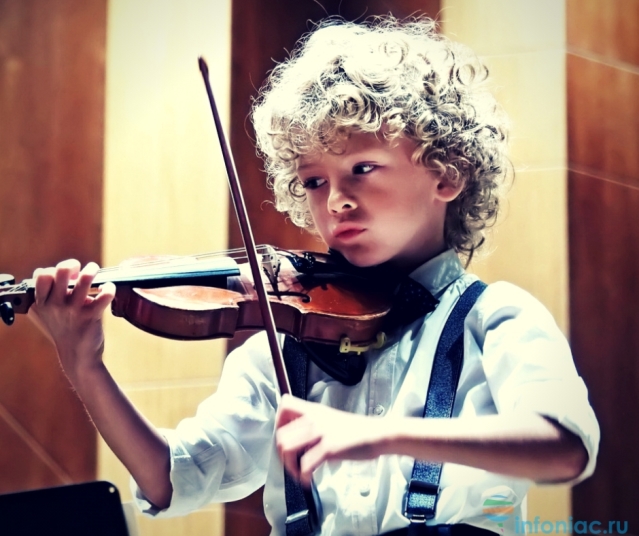
5. They are interested in adult companies and older children
Gifted children, due to their advanced intelligence, have difficulty communicating with their peers. They may be misunderstood or simply bored. Thus, they are more likely to be seen among older children, parents, teachers, coaches, and other adults.

6. They are always attentive
So there's one caveat here. Most gifted children have an exceptional ability to focus on things that interest them.
Read also: If children are ill, parents should be treated
However, a gifted child stuck in a boring lesson will quickly lose this ability. It is a mistake to consider them inattentive.

7. Adult kids
A gifted child may also have deep emotional intelligence. He will shake his head at the antics of his peers. Gifted children will be calmer and more balanced, which sometimes causes anxiety among parents.

8. They're original
Being gifted and problem solving are often related things. These children have different and unusual approaches to everyday problems. They can also offer various options for solving and improving something.

A gifted child in class
9. Leadership skills
Because of their maturity and uncanny ability to solve problems and think outside the box, gifted children are often prone to leadership. Of course, these skills are even more pronounced when the child is in a certain, desirable environment.

10. They don't need instructions
While most kids wait for a parent or teacher to suggest the best way to do something, gifted kids get down to business impatiently and ask questions later.
Read also: ABORTION: How the souls of unborn children influence the fate of their born siblings, mothers and fathers
They are often very independent.

11. They have a lot of energy
Because their brains are always active, gifted children are constantly on the move. Note that really smart and gifted kids talk too fast. The reason is that they are desperate to make their words catch up with their thoughts.
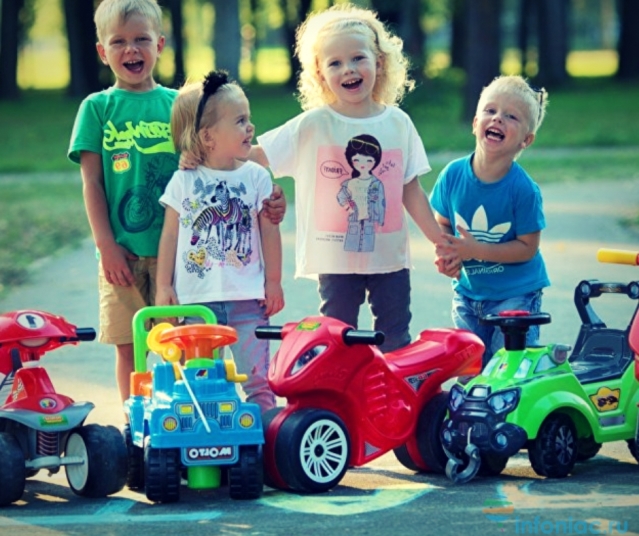
12. They need time for themselves
Like most children, gifted children love to spend time with friends and classmates. But loneliness allows them to be alone with their thoughts, often thus expressing their creativity. Gifted children enjoy being alone to read, write, paint, and sing.

Which children are gifted
13. They love nature very much
Some gifted children, especially those with high artistic intelligence, love the sights and sounds of nature.
Read also: 9 incredible abilities of the baby's brain
At these moments, their curiosity and emotionality are revealed, and inspiration comes.

14. Unrealized potential
Yes, you read it right. This could be the other side of the coin. While gifted children tend to devote most of their mental energy to their interests, it becomes very difficult for them to excel at anything else.
They will not be able to realize absolutely all their capabilities due to well-founded carelessness, negligence, and, of course, boredom.
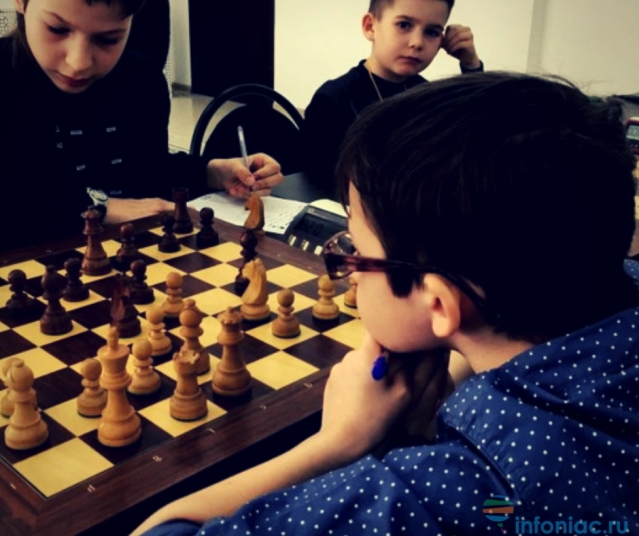
15. They're happy to learn
Gifted children love to learn so much that later this activity turns into a hobby. Because of their advanced intelligence and love of learning, a child may not share all interests with their peers.

In conclusion: why define a gifted child?
“An accurate description, a clear explanation, and a constant understanding of what it means to be gifted will help these children adapt,” Professor and Dr. Gail Post.
Despite all the challenges associated with identifying intelligence, this is vital for a child's development. Figuring out the direction of its development can mean the difference between success and failure. This also applies to a gifted child.
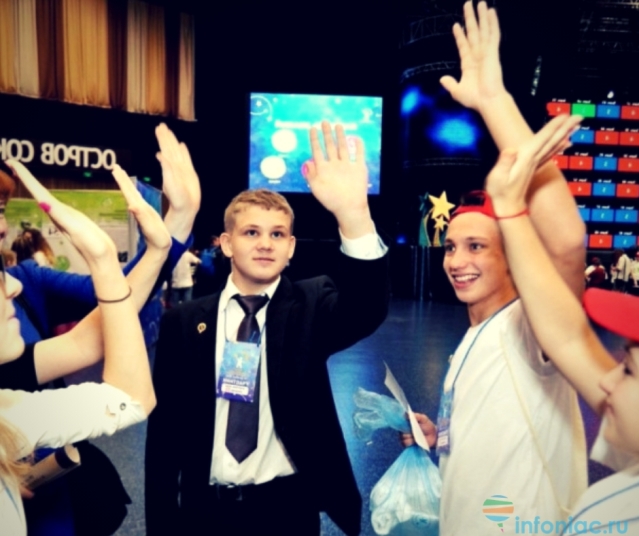
Gifted children who remain unidentified are often targets of labels and sometimes ridicule. Our job is not to let that happen. In fact, a gifted child has the potential to become a leader in this complex global society. Above all, children with unique abilities must find themselves in the right circumstances and environment, and always be able to succeed — on their own terms.