
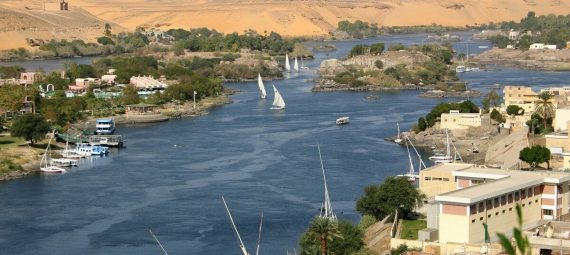
The Nile River. The very name evokes images of ancient civilizations, majestic pyramids, and a land sculpted by the life-giving waters of one of the world’s longest rivers. For the Ancient Egyptians, the Nile wasn’t merely a geographical feature; it was the lifeblood of their civilization, shaping their culture, their economy, and their very existence. Understanding life on the Nile is key to understanding Ancient Egypt itself.
The Gift of the Nile: Agriculture and Sustenance
The annual inundation of the Nile, its predictable flooding, was the cornerstone of Ancient Egyptian agriculture. The fertile silt deposited by the receding waters created incredibly rich farmland, allowing for the cultivation of essential crops like wheat, barley, flax, and papyrus. This reliable source of sustenance supported a large and thriving population, enabling the development of a complex and sophisticated civilization. Farming techniques, while simple by modern standards, were remarkably efficient, allowing for surplus production that supported specialized labor and the growth of towns and cities.
Transportation and Trade: The Nile as a Highway
The Nile River served as the primary transportation network of Ancient Egypt. Simple sailboats and barges navigated its waters, carrying goods, people, and building materials across vast distances. This efficient transportation system facilitated trade, connecting different regions of Egypt and fostering economic exchange. The Nile acted as a vital trade artery, linking Egypt with neighboring civilizations and contributing to its wealth and influence. The river played a pivotal role in connecting the disparate parts of the kingdom, fostering unity and facilitating communication.
Settlements and Cities: Life Along the Riverbanks
Ancient Egyptian settlements and cities were strategically located along the Nile’s banks, taking full advantage of the river’s resources and its transportation capabilities. The proximity to water ensured access to fresh water for drinking, irrigation, and daily life. The fertile land provided opportunities for agriculture, while the river itself served as a source of food, including fish and waterfowl. These settlements, ranging from small villages to sprawling metropolises, thrived due to their location on this vital waterway.
Religious Significance: A Sacred River
The Nile River held immense religious significance for the Ancient Egyptians. It was considered a sacred entity, a source of life and renewal. The annual flooding was seen as a divine act, a gift from the gods that ensured the prosperity of the land. Many religious festivals and rituals were associated with the Nile, reinforcing its importance in their spiritual beliefs. The Nile’s role in their religious practices underscores its fundamental importance to their culture.
Beyond the Riverbanks: The Wider Impact
While life centered around the Nile, Ancient Egyptian civilization extended beyond its immediate banks. The desert regions, though challenging, provided resources like stone for construction and minerals for various uses. The careful management of resources, coupled with the bounty provided by the Nile, allowed for the development of a sophisticated and enduring civilization.
The Nile River was not simply a geographical feature; it was the lifeblood of Ancient Egypt, shaping its culture, its economy, and the very essence of its existence. Understanding the Nile’s role is fundamental to understanding the remarkable achievements and enduring legacy of this ancient civilization.