
 Science
Is there life after death? This question has occupied the minds of mankind since ancient times.
Now scientists have discovered that animal genes can live up to four days after the body dies.
And some genes, including those involved in embryo creation or linked to cancer, may even turn on and become even more active after death.
Read also: Scientists: Consciousness remains after death
One of the scientists, Professor Peter Noble from the University of Washington in Seattle, said that the study was a kind of “curiosity experiment to see what's going on. after death.”
“We could probably learn a lot about life by studying death,” he added.
Life after death
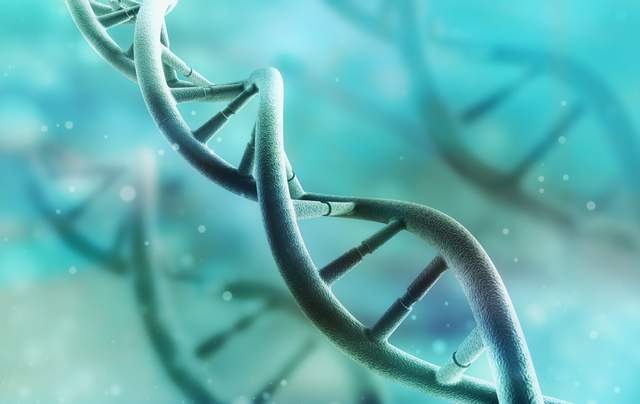
Researchers have studied what happens to more than 1,000 genes in mice and zebrafish after they die.
They recorded changes in genes up to 4 days after death in fish and up to 2 days in mice.
Initially, researchers assumed that the sudden death of vertebrates would be like a car leaving a highway running out of fuel.
However, the study found that hundreds of genes are activated a few hours after death, and some remain active several days after the body dies.
Scientists suggest that since gene activation occurred in both dario fish and mice, it can be assumed that other forms of life exhibit the same phenomenon.
Some of the genes were associated with stimulating the immune system or coping with stress, while others involved in creating the embryo were inactive from birth and turned on after deaths.
Researchers believe that changes in genes may reduce the risk of developing cancer after a transplant and help forensic scientists find out exactly when a victim was killed.
What happens to a person after death
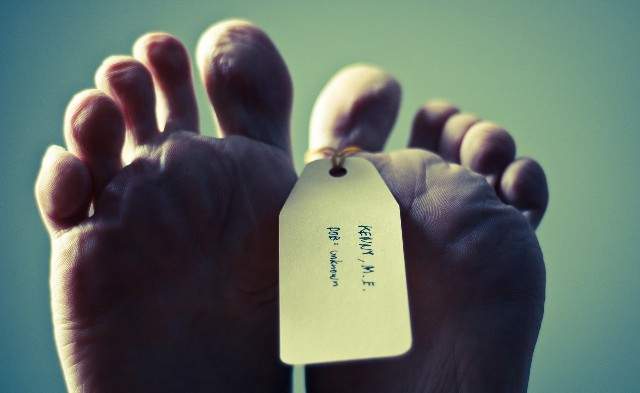
Death comes sooner or later. About 100 people die every minute in the world. Although there are many beliefs that explain metaphysical experience, what happens to the physical body after death is fully explained by science.
The first few hours
The first few seconds after death, oxygen stores are rapidly depleted, and brain activity increases. The neurons then stop working and the brain stops producing hormones that regulate various body functions, although some of them may work for a few more minutes.
Read also: 10 body functions that continue to work after death
The last ATP reserves that provide us with energy for life are being depleted and muscles relax. This also includes the sphincter muscles (therefore, it is likely to be emptied after death)
A dead body usually has pale skin, which is especially seen in people with fair skin. This is a consequence of a loss of blood flow and becomes noticeable 15 to 20 minutes after death.
The heart stops pumping blood and blood stops circulating, and thanks to gravity, it collects at the lowest point in the body.
After a few hours, red and purple spots from blood sedimentation are visible on the body. There is a maximum change in skin color 12 hours after death. This process, known as “corpse stains,” helps forensic scientists determine the estimated time of death.
At this time, another process begins. 3-5 hours after death, the phenomenon of “rigor mortis” appears. Cell structures deteriorate due to lack of energy, and calcium seeps into muscles, which binds to proteins and causes muscles to contract.
The muscles become stiff, which causes the body to freeze in one position for the next 24-48 hours.
A few days after death
While these processes are taking place, the body, if it is not embalmed or preserved in some other way, will gradually decompose.
Cells in the body without blood circulation gather, which causes an increase in carbon dioxide production and pH levels in tissues.
This weakens cell membranes and they burst and cytosol leakage occurs. The cytosol contains proteins and enzymes that break down tissues with the help of more than 100 trillion microorganisms.
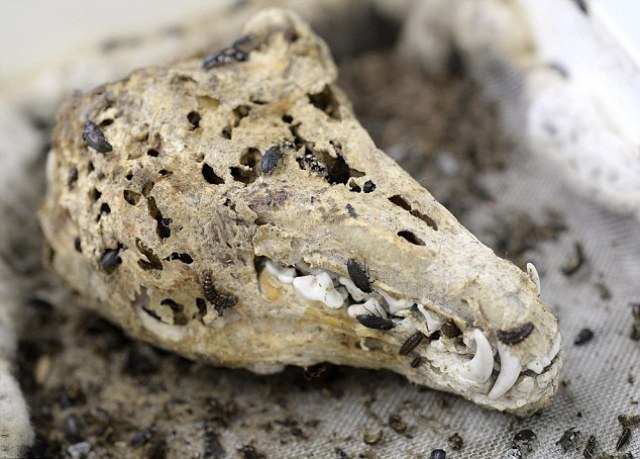
The anaerobic bacteria in the digestive tract then eat through the organs inside. This decomposition produces unpleasant odors, and the breakdown of amino acids attracts insects, including mites, beetles, dead eaters, and meat flies that eat tissues.
In a few weeks
Insect larvae can absorb up to 60 percent of body tissue in a few weeks, and the resulting holes release decomposition fluid and gas.
About 20-50 days after death, butyric acid fermentation occurs and attracts beetle larvae, unicellular organisms and fungi. This dry decomposition process takes place throughout the year.
In a year or more
The remaining parts of the body, even the remains of the skeleton, are eaten by plants and animals in subsequent years.
If the body remains completely at the mercy of nature, all parts of the body will decay.