
While many European cities boast ancient histories and centuries-old architecture, there are also newer cities that have emerged or undergone significant development in recent decades. These cities combine modern infrastructure with cultural vibrancy, making them exciting destinations to explore. Here are the top 3 newest cities in Europe that showcase contemporary urban planning and cultural diversity.
1. Barcelona, Spain
Barcelona, the capital of Catalonia in Spain, has undergone significant transformation in recent decades, turning into a vibrant and modern metropolis. While its history dates back to Roman times, Barcelona experienced a major revival with the 1992 Summer Olympics, which spurred urban renewal projects and infrastructure development. Today, Barcelona is known for its innovative architecture, including the iconic Sagrada Família and the avant-garde buildings of the Barceloneta neighborhood. The city blends traditional Catalan culture with a cosmopolitan atmosphere, offering visitors a dynamic mix of art, cuisine, and lively street life.
Highlights:
- Modern urban renewal post-1992 Olympics
- Innovative architecture by Antoni Gaudí and others
- Dynamic cultural and culinary scene
2. Skopje, North Macedonia
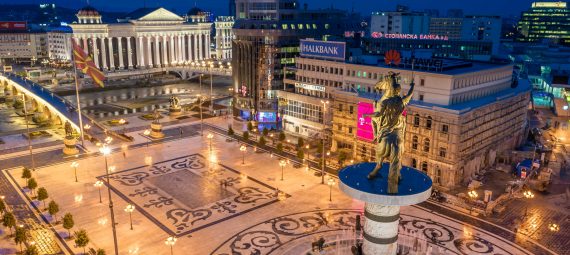
Skopje, the capital of North Macedonia, has seen rapid development and transformation in recent years, particularly after the devastating earthquake of 1963. The city underwent a massive reconstruction effort, resulting in a blend of architectural styles ranging from neoclassical to modernist. Skopje is known for its grandiose monuments and statues, including the controversial “Skopje 2014” project, which aimed to give the city a more monumental and historic appearance. Today, Skopje offers visitors a mix of ancient history, Ottoman-era architecture, and modern amenities, making it an intriguing destination in the Balkans.
Highlights:
- Reconstruction efforts after the 1963 earthquake
- Blend of architectural styles and grand monuments
- Rich cultural heritage with Ottoman influences
3. Warsaw, Poland
Warsaw, the capital of Poland, has emerged as a dynamic and rapidly growing city since the fall of communism in 1989. The city’s historic Old Town, meticulously reconstructed after World War II, contrasts with its modern skyscrapers and bustling commercial districts. Warsaw is a hub of cultural diversity, with numerous museums, galleries, and theaters showcasing Poland’s rich history and contemporary arts scene. The city’s vibrant nightlife, thriving culinary scene, and green spaces along the Vistula River attract visitors from around the world, making Warsaw a vibrant and evolving European capital.
Highlights:
- Post-communist transformation and urban development
- Historic Old Town and modern skyscrapers
- Cultural diversity and vibrant arts scene
Tips for Exploring New Cities
- Learn the History: Understand the recent development and historical context that shaped these cities.
- Explore Architecture: Appreciate the blend of traditional and modern architectural styles.
- Sample Local Cuisine: Taste traditional dishes and explore the evolving culinary scene.
- Visit Cultural Institutions: Discover museums, galleries, and theaters that showcase local arts and history.
- Engage with Locals: Interact with residents to learn more about their city and culture.
These newest cities in Europe offer a blend of history, modernity, and cultural richness, providing visitors with a glimpse into their dynamic evolution and promising future. Whether you’re exploring Barcelona’s avant-garde architecture, Skopje’s monumental landmarks, or Warsaw’s vibrant cultural scene, you’re sure to be captivated by the energy and diversity of these emerging European destinations.