
 Events
Two weeks after a child was first cured of HIV, scientists said similar treatments could help adults as well.
The most important thing is to start treatment early, although this does not guarantee success.
Professor Asier Sáez-Cirión from the Pasteur Institute in Paris analyzed 70 people with HIV who were treated with antiretroviral drugs between the 35th day and the 10th week after infection. This is much earlier than HIV patients are usually treated.
All participants' medication regimens were interrupted for various reasons. For example, some people made the decision to stop taking medication themselves, while others tried other drugs.
In most volunteers, the disease returned after discontinuation of treatment, and the virus returned to the level it was before treatment. But 14 patients, including 4 women and 10 men, did not relapse after discontinuation of treatment, which was carried out for an average of 3 years.
Although 14 patients had traces of HIV in their blood, their levels were so low that their bodies could control it without drugs.
HIV treatment
On average, 14 participants stopped taking their medications 7 years ago, and one of them had been coping for 10.5 years without medication.
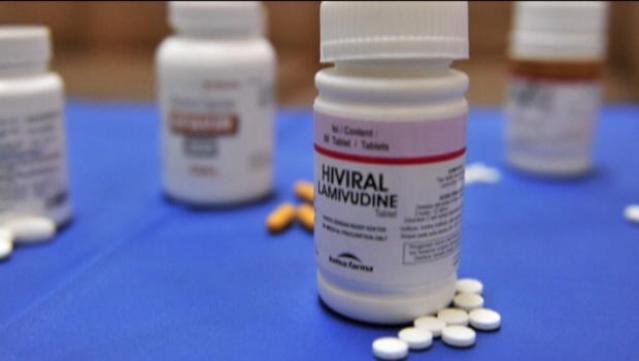
More recently, it was announced that a child was “functionally cured” of HIV after being prescribed three antiretroviral drugs almost immediately after birth: zidovudine, lamivudine and nevirapine. However, experts warned that quick treatment is not for everyone, but it is important to start as soon as possible.
“There are three benefits of early treatment,” Saez-Siriona explained. “This limits the HIV reservoir, the diversity of the virus, and preserves the immune response to the virus that controls it.”
At the same time, none of the 14 patients were so-called “super controllers”, that is, 1 percent of people who are naturally resistant to HIV and quickly suppress the infection. In addition, most had severe symptoms that led to early treatment.
“As paradoxical as it may sound, the worse they were at the beginning, the better they felt later,” the scientists said.
How long does it take for HIV to appear?
A month or two (2-4 weeks at the earliest) after HIV has entered the body, the first signs of infection may appear. But sometimes HIV symptoms may not appear for years or even ten years after infection. This is why it is important to do HIV tests to help detect the presence of the virus.
The first signs of HIV

During the first 2 to 4 weeks after HIV infection (and up to 3 months), 40 to 90 percent of people may develop acute symptoms that are similar to those of the flu. This is called “acute retroviral syndrome” and is a natural response to HIV infection. At this time, the level of the virus in the blood is high and a person can more easily transmit it to others.
There may be symptoms such as:
– High temperature
– Chills
– Rashes
– Night sweats
– Sore throat
– Muscle pain
– Headache
– Tiredness
-Enlarged lymph nodes
After the early symptoms of HIV disappear, the virus becomes less active, although it is still present in the body. At this time, a person may not experience any symptoms. This is called the latent phase, which can last up to 10 years or longer.
After HIV progresses to AIDS, symptoms of fatigue, diarrhea, nausea, fever, chills, and others appear.
The likelihood of contracting HIV
The risk of HIV infection depends on various factors.
Transfusion of infected blood — about 90 per cent
Pregnancy and childbirth — 30-50%
Breastfeeding — about 14 per cent
Intravenous injection — 0.5-1%
Accidental injection with a needle infected with HIV – 0.3 percent
Unprotected anal sex — 3%
Unprotected vaginal sex — about 1 percent