
 Health
Why do we release gases, what do they consist of, and what foods cause intestinal gases the most?
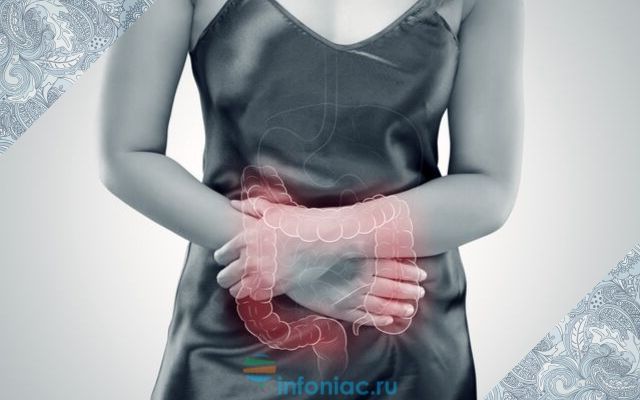
Flatulence is the result of the production of a mixture of air and gases in the gastrointestinal tract, which are by-products of the digestive process.
These and other facts about what all people do several times a day.
1. Gases in the intestine consist of:
– 59 percent from nitrogen
– 21 per cent hydrogen
– 9 per cent carbon dioxide
– 7% methane
– 4 percent oxygen.
2. On average, a person releases gases about 14 times a day, producing about 0.5 liters of gases.
© Tharakorn/Getty Images Pro
3. Gases in the intestines ignite.
4. At the time of formation, gases reach a temperature of 37 degrees Celsius and leave at a speed of 11 km per hour.
5. You will not be able to suffocate with your gases while in an airtight chamber, as the gas concentration is not high enough
6. Hydrogen sulfide is a substance that gives gases an unpleasant odor. Foods that are high in sulfur, such as beans, cabbage, cheese, and eggs are the main culprits.

© diane39/Getty Images
7. Most of the gases in the intestines come from swallowed air (nitrogen and carbon dioxide) and are almost odorless. The bubbles of such gases are large and can produce loud noises.
The process of digestion and fermentation leads to the formation of various gases. Such gas bubbles may be small, silent, but odorous.
8. A person releases gases even after death.
9. Termites are considered gas champions. They produce more methane than cows and polluting equipment. Other animals that are famous for their flatulence are camels, zebras, sheep, cows, elephants, Labrador retrievers.

© RiaAnalBrecht/Getty Images
10. Legumes do cause flatulence. The human body cannot digest certain polysaccharides. When these complex carbohydrates reach the lower intestines, bacteria begin to feed on them, forming a lot of gases.
Products that cause gas formation

© mattjeacock/Getty Images
– Vegetables: broccoli, white cabbage, cauliflower, cucumbers, onions, peas, radishes
– Legumes (beans, peas)
– Fruits that are high in sugar and fiber: apricots, bananas, melons, pears, prunes, raisins, raw apples
– Foods high in carbohydrates: wheat, wheat bran
– Eggs
– Carbonated drinks, beer, red wine
– Fried and fatty foods
– Sugar and sugar substitutes
– Milk and dairy products
Not all of these foods cause increased gas production, and you may find that only certain foods affect excess gas in your intestines.
How to get rid of gases in the intestines?
As already mentioned, a person cannot completely get rid of gases in the intestines, as this is a natural process in the body. However, if you suffer from increased flatulence, there are several ways to reduce gas production.
© Ryanking999/Getty Images
1. Review your diet
Limit consumption of foods that cause increased gas production. It's best to exclude foods one at a time and keep a diary to find out who the main culprit is.
If you start eating more fiber-rich foods (which contributes to better digestion), you may notice that the amount of gas in your intestines has increased. It may take several days or weeks for your body to get used to your new diet. If not, contact a specialist.
Heat treatment of food helps reduce the amount of certain substances that cause increased gas production. But you should prefer steaming instead of cooking if you want to preserve more vitamins.
2. Drink between meals
If you drink water while eating, you dilute the digestive juice and the food is not as well digested. Try to drink water half an hour before meals.
3. Eat and drink slowly
When you eat fast, you swallow a lot of air, which also leads to increased gas production.
4. Keep track of your habits
Habits like smoking, chewing gum, drinking drinks through a straw can fill your stomach with excess air.
5. Avoid artificial sweeteners
Sorbitol and other sweeteners used in “sugar-free” foods also make things worse, as they are digested by intestinal bacteria that produce gas.

© Motortion/Getty Images
In addition, the following tools can help you:
Mint contains menthol, which has an antispasmodic effect on the digestive tract and softens flatulence.
Cinnamon and ginger reduce gas production, soothing the stomach.
Activated carbon helps reduce the amount of gases, as it has absorbing properties.
Yogurt and other probiotic products balance the intestinal microflora, reducing gas production.
Drugs containing simethicone reduce bloating and discomfort with increased gas production.