
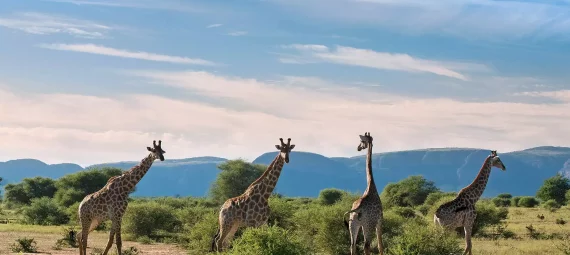
Limpopo Transnational Park is the largest in the world. It is located on an area of approximately 4 million hectares and covers the territories of three countries at once: Mozambique, Zimbabwe and South Africa. In order for tourists to be able to freely visit Limpopo, state borders were abolished — a unique case for such an occasion. You get one visa and can actually visit three countries at once.
Limpopo Park is the largest protected nature reserve in the world, it has no analogues. Protection is necessary to control rare animals and protect them from the inhabitants of nearby lands. Still, about 20 thousand people had to be relocated from their homes, which caused considerable dissatisfaction. No, no, and there are raids on the reserve.
A distinctive feature of this park is its location at the confluence of two powerful Limpopo and Shashi rivers. Here, once upon a time, ancient bushmen painted rocks with bizarre patterns and were engaged in gold carving. A magical place, saturated with animal and human power.
Creation goals
Limpopo Transnational Park is home to various parks and nature reserves. It unites such vast territories as Zimbabwe’s Gonareju Park, Mozambique’s Limpopo and South Africa’s Kruger National Park. In total, there are about 50 nature reserves here, which reflect the unique diversity of this part of the globe.
Actually, what was this huge park created for? The organizers of the large-scale project themselves name two goals: the conservation of rare African animals and the economic development of rural communities that live in the vicinity.
It’s no secret that there are a lot of animals in the world under threat of extinction now. The same cheetahs, wild dogs living in Africa, rare species of birds. Limpopo is just necessary to maintain the balance of the ecological system of the whole world, its flora and fauna. Each of the countries whose territories are part of the park could not fully do this. We had to create a virtually new country — a natural state where everything is subject to different laws. Only in this way was it possible to maintain the diversity of the animal world in Africa.
Animal world
There are several routes in the Limpopo Transnational Park, thanks to which tourists can get acquainted with the wildlife of the reserve. It is unlikely that you will be allowed to travel on your own — it can be dangerous. So get ready for a tour accompanied by a professional guide and people who can protect you in case of danger.
At first glance, the park impresses with its diversity. Perhaps nowhere else can you find such huge baobabs growing along rivers, large herds of elephants and buffaloes that live next door to lions. This exotic puts everything in its place: the world that used to be only in pictures or on the TV screen suddenly grows up in front of you. And here you need to behave like a guest — so as not to pay for your arrogance or carelessness.
Unfortunately, initially Limpopo Park suffered seriously due to a shortage of wild animals. They were easily shot by locals and rebels. To replenish the population, several thousand animals from different countries had to be transported for 4 years — antelopes, gazelles, elephants.
Limpopo Transnational Park is a real place of pilgrimage for tourists who come here not only for the sake of strong emotions, but also to study and observe the world around them.