
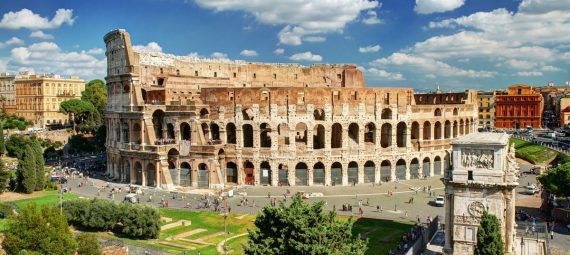
The Colosseum, also known as the Flavian Amphitheatre, is one of the most iconic and recognizable landmarks in Rome, Italy. Built almost 2,000 years ago, it served as a venue for public spectacles and entertainment, including gladiatorial contests, animal hunts, and theatrical performances. Today, the Colosseum remains an important historical and cultural site, attracting millions of visitors each year. But what is the modern-day relevance of this ancient structure?
One way the Colosseum is still relevant is through its impact on architecture and engineering. The Colosseum was a masterpiece of Roman engineering, featuring advanced techniques for stadium construction that were revolutionary for their time. The building was also a testament to the power and wealth of the Roman Empire, showcasing the grandeur and extravagance of its rulers. Today, the Colosseum continues to inspire architects and engineers with its innovative design and engineering feats.
Another way the Colosseum is still relevant is through its cultural significance. The Colosseum has been a source of inspiration for artists, writers, and filmmakers for centuries. Its iconic image has been featured in countless films, books, and works of art, and it continues to capture the imagination of people around the world. The Colosseum has also served as a symbol of the power and influence of the Roman Empire, which has had a profound impact on Western culture and civilization.
The Colosseum also has historical relevance as a site of memory and remembrance. It serves as a reminder of the violent and brutal nature of ancient Roman society, as well as the gladiators and other individuals who were forced to fight for their lives in the arena. Today, the Colosseum is a powerful symbol of the importance of remembering and commemorating history, and it serves as a site of reflection and contemplation for visitors.
The Colosseum also has modern-day relevance as a tourist attraction and source of economic activity. Millions of tourists visit the Colosseum each year, generating significant revenue for the city of Rome and its residents. This economic activity supports jobs in the tourism industry and helps to promote cultural exchange and understanding between different countries and cultures.
Finally, the Colosseum is still relevant as a site of social and political activism. The Colosseum has been used as a venue for political rallies, protests, and demonstrations, and it continues to serve as a gathering place for people to express their views and opinions. The Colosseum’s history of violence and exploitation has also made it a site of activism for animal rights groups and other organizations that seek to promote compassion and empathy for all living beings.
In conclusion, the Colosseum remains an important cultural, historical, and social site that continues to have relevance in the modern-day world. Its impact on architecture and engineering, its cultural significance, its historical memory, its economic activity, and its role in social and political activism all contribute to its ongoing relevance and importance. As such, the Colosseum will continue to inspire and engage people for generations to come.