
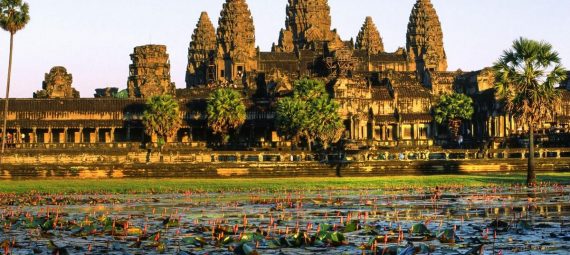
Angkor Wat, located in Siem Reap, Cambodia, is one of the most magnificent religious monuments in the world. Built in the 12th century, this ancient temple complex is a stunning example of Khmer architecture and a testament to the artistic and spiritual achievements of the Khmer people. Angkor Wat’s grandeur, beauty, and spiritual significance continue to captivate visitors from all over the world.
Angkor Wat was built during the reign of King Suryavarman II, who was a devout follower of Hinduism. The temple complex was originally dedicated to the Hindu god Vishnu, and it was designed to serve as a symbol of the king’s devotion to his faith. The temple complex covers an area of 402 acres and features numerous courtyards, towers, and galleries that are adorned with intricate carvings and sculptures.
The artistic importance of Angkor Wat cannot be overstated. The temple complex is home to some of the most exquisite examples of Khmer art, including intricate carvings, bas-reliefs, and sculptures. The carvings and sculptures depict scenes from Hindu mythology, as well as historical events and everyday life during the Khmer Empire. The level of detail and craftsmanship in these artworks is truly remarkable, and they serve as a testament to the skill and creativity of the Khmer people.
However, Angkor Wat’s importance goes beyond its artistic achievements. The temple complex is also a symbol of the spiritual and cultural heritage of Cambodia. Over the centuries, the temple complex has been used by various religious groups, including Hindus and Buddhists. Today, it is primarily a Buddhist temple and a site of pilgrimage for Buddhists from all over the world.
Visitors to Angkor Wat can explore the temple complex on foot or by bicycle. The temple complex is divided into several sections, each of which offers a different perspective on the temple’s architecture and history. Some of the most notable sections of the temple complex include the main temple, which features a central tower that rises to a height of over 200 feet, and the gallery of bas-reliefs, which features intricate carvings depicting scenes from Hindu mythology.
The spiritual significance of Angkor Wat is further enhanced by its stunning natural surroundings. The temple complex is located in the heart of the Cambodian jungle and is surrounded by lush vegetation, exotic wildlife, and ancient ruins. The temple complex is particularly beautiful at sunrise and sunset, when the light filters through the trees and creates a surreal and magical atmosphere.
In conclusion, Angkor Wat is a truly remarkable monument that represents the artistic and spiritual achievements of the Khmer people. Its beauty, complexity, and cultural significance continue to captivate visitors from all over the world. For anyone interested in history, art, or spirituality, a visit to Angkor Wat is an unforgettable experience that is sure to leave a lasting impression.