
 Unbelievable facts
Many people at least once in their lives thought about how different generations imagined the future. Some predictions came true, some did not, but there were also bold statements that, however, would make their authors blush with shame if they survived to this day.
In this article, we have collected for you the most vivid, but fundamentally erroneous statements about the future that appeared in the 19-20 or even in the 21st century.
Statements about the future
Cars are a passing fad
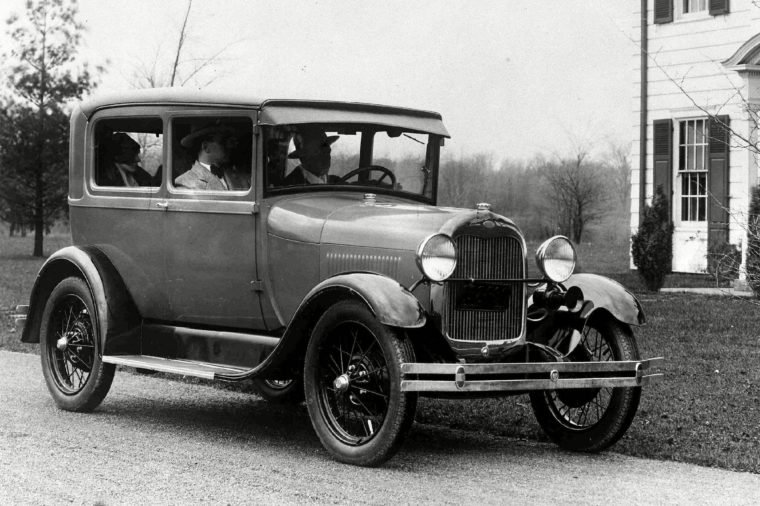
In 1903, the governor of the Michigan Bank advised Henry Ford's lawyer, Horace Rackham, to protect his own money. He motivated this proposal with the following phrase: “Horses will always be in demand, and a car is a simple innovation, nothing more than a passing hobby.”
If you've ever been stuck in a traffic jam or tried to leave a parking lot for half an hour, you probably thought it would be good if he were right. However, this is not the case, and seeing the current situation, the director would certainly take his words back.
The brain can't stand it
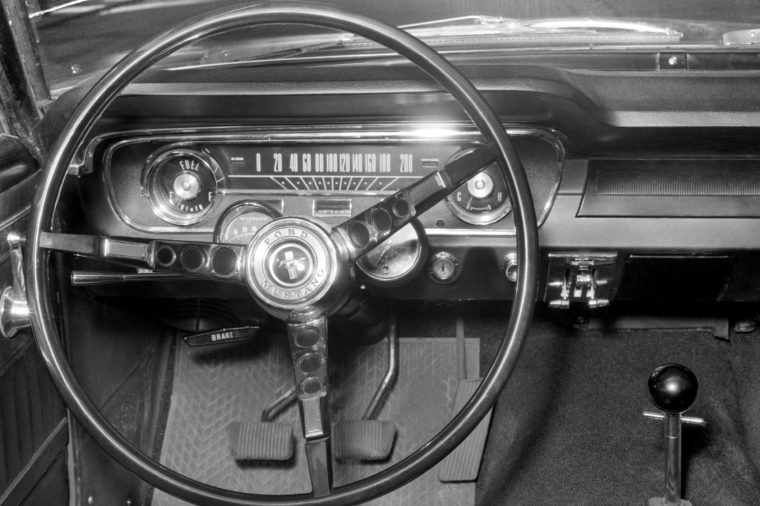
In 1904, The New York Times published an article about a debate in Paris between a brain specialist and a physicist. The topic of debate was the ability to drive a car at high speed, and it was argued that the brain simply would not be able to cope with this.
The article wrote the following: “There is still debate about the maximum speed of movement the human brain can withstand”, “If a person moves on his own without training at a speed of about 13 km/h, and the brain perceives this, then a car moving at 100 km/h does not do it under its direction, causing irreversible changes in the brain.”
Everything will be made of steel
Thomas Edison invented the light bulb, but despite this, he is also human and could not always be right. In a 1911 interview with Miami Metropolis, she talked about the American steel industry.
Then Edison said: “A 21st century child will be rocking in a steel cradle, his father will sit on a steel chair at a steel table, and his mother's bedroom will be furnished with elegant steel furniture, covered with some semblance of wood, as far as imagination allows, for beauty.” Looking at the huge variety of different materials these days, I want to go back in time and prevent this stupid statement from appearing.
Read also: African astrology: the most accurate horoscope in the world that predicts the future
Failed predictions
Recorded music will ruin talent
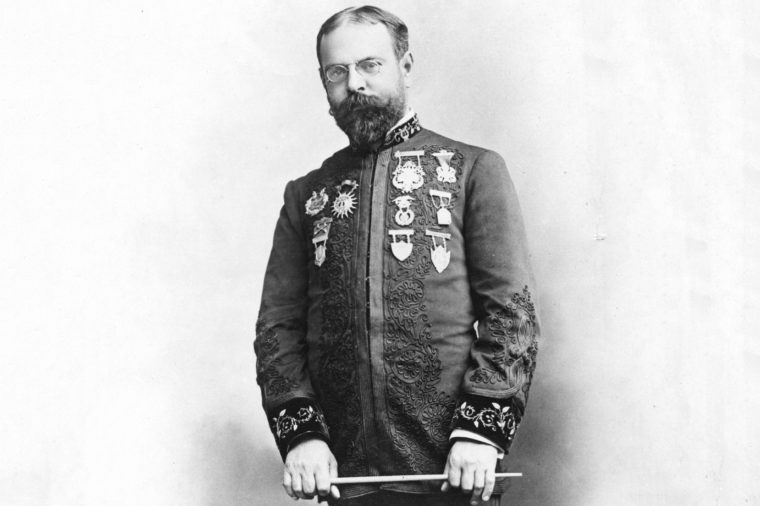
In 1906, composer John Philip Sousa warned the world about the impending threat of mechanical music in an article that also spoke about devices that bring music to people's homes and don't require the direct presence of the musician. He was horrified by the fact that people were buying fewer and fewer musical instruments, because now you don't have to create music yourself to listen to music.
He justified this by saying that “all new devices usurp tool seats”. And he foresaw that terrible era when music would be available “without learning the hardships of learning”, and also claimed that over time “amateurs will disappear altogether, people will forget how to create music on their own, and music and vocal teachers will lose their jobs because they will no longer be in demand.” If he saw a huge variety of musical genres and diverse bands, he would definitely change his mind.
Electricity is a fad

This is exactly what Junius Morgan, the founder of the banking house, said to his son John when he hired Thomas Edison to make his mansion the first private residence with electricity in New York. York City.
Fortunately, John did not listen to his father and invested in Edison, then joined the creation of the well-known General Electric company, which still produces many different products.
All women are going to be incredibly tall

In 1950, Associated Press writer Dorothy Rowe, using what she liked to say “scientific evidence”, predicted that by 2000 all girls would be equal in height at least 180 centimeters.
She confidently wrote the following: “The girl's proportions will be ideal, somewhat Amazonian, because science will improve and create a balanced diet of vitamins, proteins and minerals that will ensure the efficient functioning of the body and retain a minimum of fat in it.”
Read also: 10 changes that will happen to people in the future
Wrong assumptions
A hose is enough to clean the house

Waldemar Kaempfert, the science editor of The New York Times, published an article in 1950 entitled “The Miracles You'll See Over the Next Fifty Years.” Among others, this list included an item about home care and cleaning. Kaempfer described the life, life and chores of a housewife of the future, whom he named Jane Dobson.
“When Jane is cleaning the house, she simply directs a water hose to everything around her. Why not? Furniture (including upholstery), carpets, drapery, floor coverings are all made of synthetic fabric and waterproof plastic. After all the water runs down to the floor, Jane turns on the hot air and dries everything out.” Oh, if only it were that simple…
Everyone will live forever

Of course, this prediction was not limited in time, but you must admit that it is difficult to believe that it will come true in the near future. Winston Churchill's friend, senior lawyer F.E. Smith, once spoke about medical advances he saw literally on the horizon.
For example, he predicted that doctors would soon invent injections that would allow people to live up to 150 years. He believed that many people would benefit from this, but did not hide his indignation: “How can young people in their 20s compete in obtaining a profession or starting a business with experienced 120-year-olds in the most in the prime of life?”
Phones are not going to be fashionable…
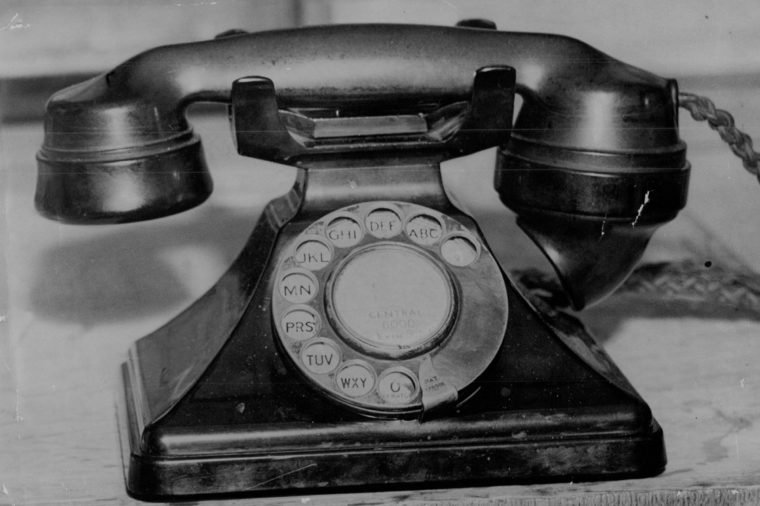
In 1876, Western Union CEO William Orton called the phone a “toy” when Alexander Bell offered to sell him a patent for $100,000. According to some publications, Orton wrote the following note:
“At first glance, the idea is really idiotic. Besides, who would want to use this clumsy and inappropriate device if you could send a courier to the telegraph service and send a clear written message to any major city in the United States States?” If Orton were alive today, he would know exactly what mistake he made back in 1976.
How did you imagine the future
… Especially ones that act like a computer

“There's no chance that Iphone will ever gain significant market share,” Microsoft CEO Steve Ballmer said in 2007. Well, let's assume he was only a minor mistake and nothing like that actually happened. Whom are we kidding, though?
TVs will not be in demand
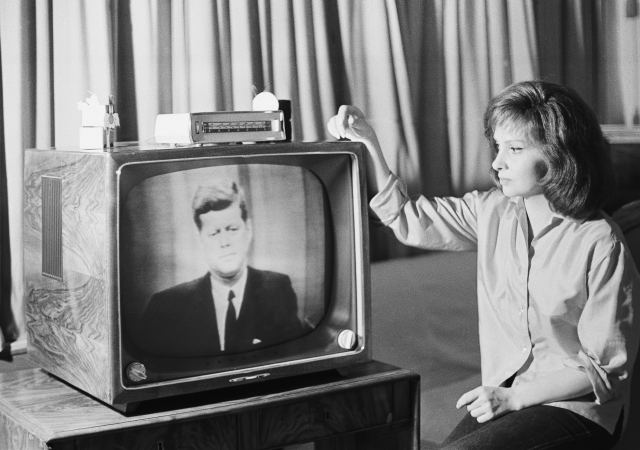
Twentieth Century Fox star Darryl Zanuck snorted contemptuously when he learned about the idea of creating “idiotic boxes that would prevent people from going to theaters” because he believed that nothing can force people to stop watching his film studio films directly in the theater.
In 1946, he said: “In fact, television won't last more than six months, because people will soon get tired of watching a plywood box every day.” How deeply wrong he was.
Shopping will be made only in stores

In 1966, The Times published an essay with
the big title “Futurists” that looked at life in the
2000s. Here is one point that, in their opinion, would be unequivocally
rejected by humanity: “Remote purchases, of course, will be possible,
but they will definitely be doomed to failure. This is due to the fact that women like
to get out of the house for a walk, touch the product with their own hands so that they can change their mind
at any time.” I wonder what would happen
if the authors of the essay met with Amazon founder
Jeff Bezos, who has $119 billion in his account.