 Science
It's been three months since the Curiosity rover landed on the Red Planet to determine whether Mars is capable of supporting life.
One of the factors limiting habitability conditions that are important for future manned missions was the level of radiation from cosmic rays and solar particles that hit the planet's surface.
To find out, the rover's radiation measuring instrument, called RAD, collected data regarding the daily radiation cycles reaching Curiosity.
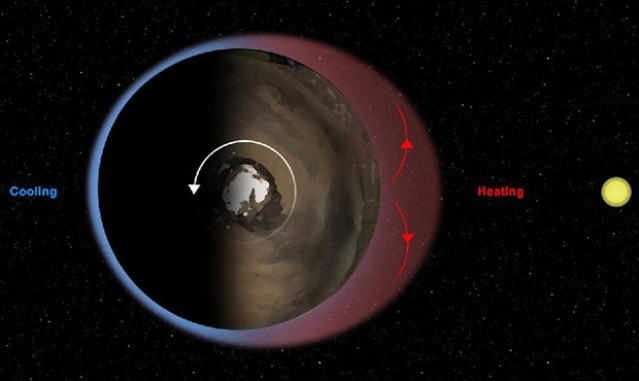
The Martian atmosphere acts as a shield for radiation on the planet's surface. Scientists know this because as the atmosphere thickens, radiation levels drop by 3-5 percent.
The problem was that Mars' atmosphere is 100 times thinner than Earth's, which suggests that radiation is easier to penetrate and more dangerous for astronauts.
Life on Mars: radiation levels
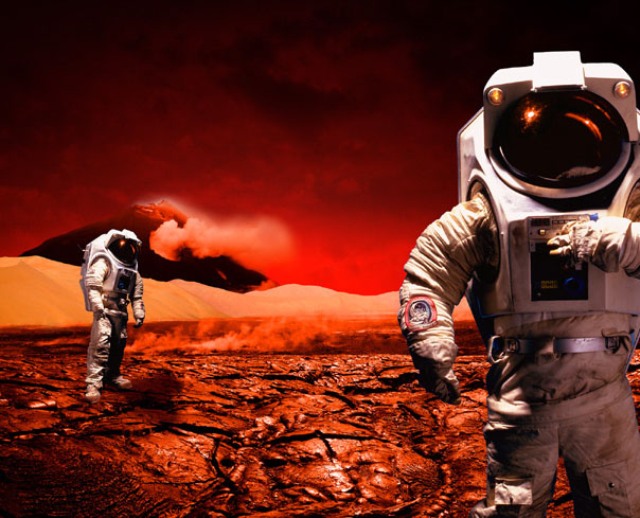
So will astronauts be able to survive in the Martian environment?
“It is absolutely certain that astronauts will be able to live in this environment,” said principal investigator Dan Hassler. “At least for a limited period of time.”
The level of radiation on the surface of Mars is about half what scientists observe during deep space flights. The main problem is the accumulation of radiation over a long period of time.
But what is certain is that the mission to Mars will be a long one – about 3 years, including about 6 months to get there and another six to return. There is a limit in terms of the total dose of radiation an astronaut can experience.
On a normal day, an astronaut in deep space is protected from radiation. Radiation sickness does not occur immediately. But the scenario could change if astronauts encounter an event where large amounts of radiation are emitted, such as in a solar storm. In addition, astronauts will be exposed to higher levels of radiation on their way to the planet than on its surface.
So far, scientists continue to measure, and a conclusion about the level of radiation has yet to be made.
“The question is not whether we're going to Mars. It's important when we go there and how best to protect our astronauts,” Hassler explained.
Curiosity rover: photos from Mars
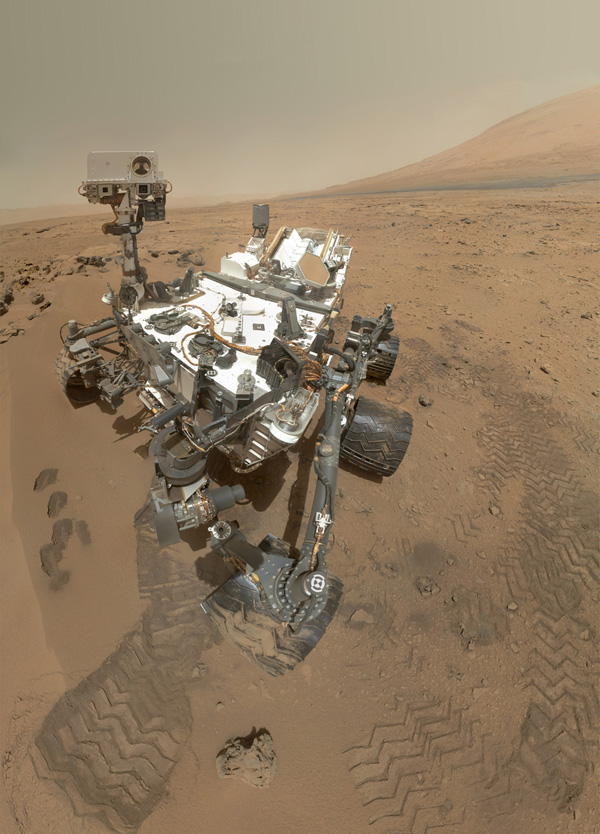
1. High-resolution image of the Curiosity rover taken with its robotic arm
2. Panorama from the rover's landing site with views of Aeolis or Mount Sharpe
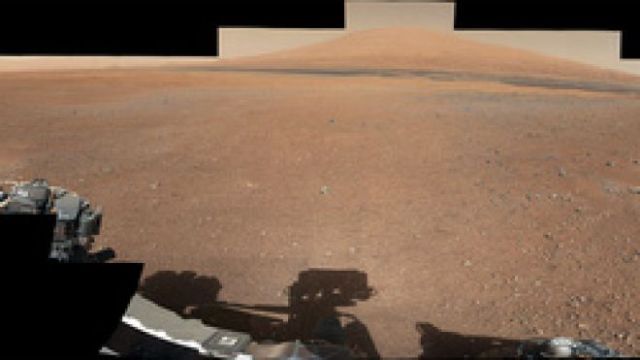
3. The first three samples of Martian material
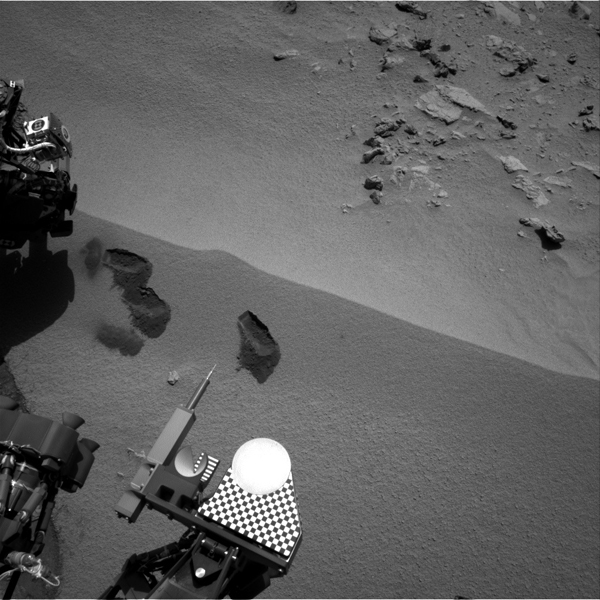
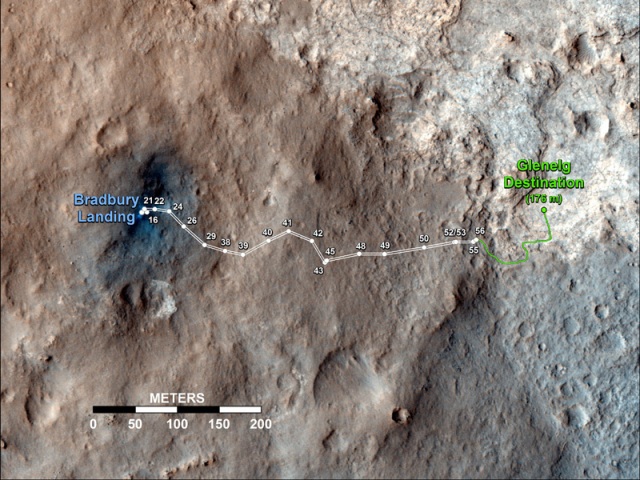
4. The journey that Curiosity rover traveled in 56 Martian days to the Glenelg area