 Ecology
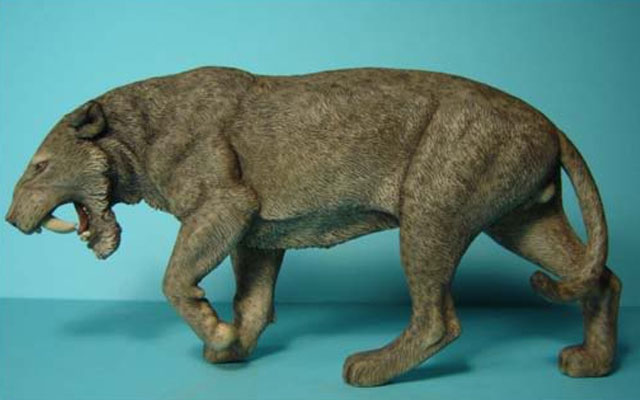
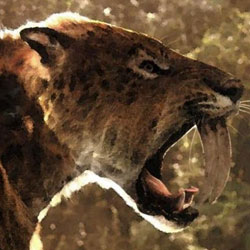
According to new research, Europe was dominated by three top predators 9 million years ago — a huge “bear dog” and two large saber-toothed cats. This unusual toothy trio coexisted perfectly close by and lived in the area of present-day Madrid, Spain. Two cat species, one, Lion-sized Machairodus aphanistus, and the smaller Leopard-sized Promegantereon ogygia, belonged to the same feline family as modern large and domestic cats cats.
Prehistoric cats lived side by side in wooded areas and probably hunted animals such as horses and wild boars. “The technique of killing prey in these saber-toothed cats consisted of biting the throat, thus the prey could not move and died quickly due to damage to important blood vessels and trachea,” the author said research by Soledad Domingo. “These cats used long, flat upper fangs to easily cut their prey's throats in one motion.”
The most predatory animals in Europe
Bear dog (lat. Magericyon anceps), as the name suggests, looked like a cross between a dog and a bear. “These animals were actually neither bears nor dogs, but were part of a different group of animals,” said Domingo, Ph.D., from the University of Michigan Museum of Paleontology. “The peculiarities of Magericyon anceps teeth indicate that these bear dogs may have chewed bones.” They probably hunted antelopes.
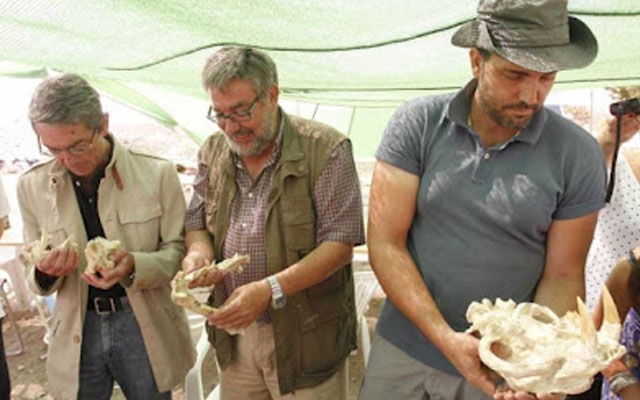
Domingo and his colleagues used a diamond-tipped dental drill to sample teeth from 69 skulls of ancient animals, including 27 saber-toothed cats and bear dogs. The rest of the animals were herbivores.
Scientists have isolated carbon from tooth enamel and measured the ratio between the heavier isotopes of carbon 13 and the lighter isotopes of carbon 12. Both forms of carbon were present in the form of carbon dioxide, which plants absorb during photosynthesis. When an herbivore feeds on plant food, plants leave a specific isotopic composition in the animals' bones and teeth.
“This is the same as modern enamel,” Domingo said. “If we take samples of your tooth enamel, we can tell you what you eat. Enamel retains its composition for a very long time.”
Saber-toothed cats of the past
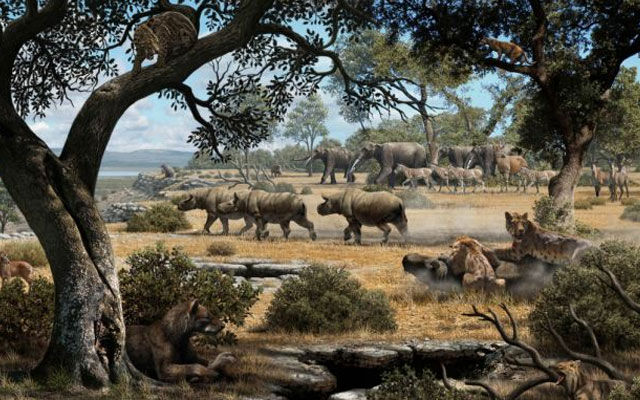
Although saber-toothed cats hunted the same animals, scientists believe that smaller cats climbed trees to avoid colliding with larger predators. Bear dogs hunted in more open areas, although sometimes their hunting grounds might overlap with cat territory.
“By analogy with modern carnivores, it is very likely that predators behaved quite aggressively when they met each other; they could fight for prey or carrion. It is unlikely that these predators could eat each other, “said Domingo.
The toothy prehistoric trio lived on our planet at the end of the Miocene period in wooded areas, where grasslands were also found. Today this area is called Cerro de los Batallones.
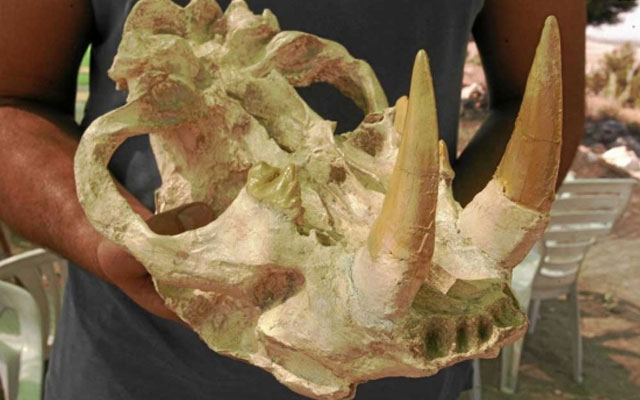
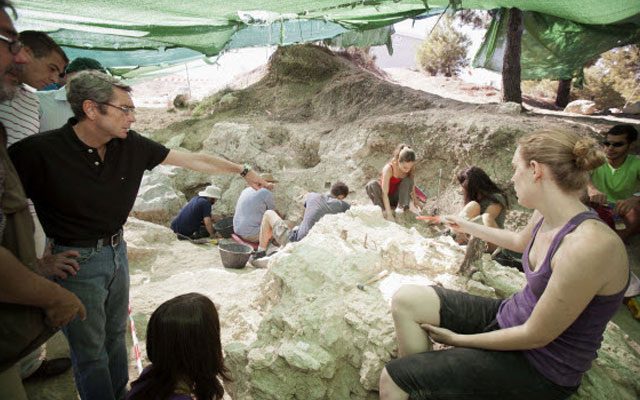
Domingo and his colleagues have been excavating here for the past 8 years, and during this time they have been able to find a large number of carnivorous and herbivorous bones. These findings support the idea that food chains of the distant past were organized exactly as they are today. Not a single Miocene animal whose fossils have been found in these places exists today, but these ecosystems had similar ecological relationships to what we can observe today, the scientists said.